


Uruguay's 'Barrios Sin Violencia' Program Awaits Impact Study for Future Decisions
Translated from Spanish, summarized and contextualized by DistantNews.
At a glance
News
Named sources
Under investigation
- Uruguay's 'Barrios Sin Violencia' program, aimed at preventing retaliatory homicides, awaits an impact assessment to determine its future.
- The pilot program, launched in April 2024, focuses on interpersonal conflicts rather than gang disputes.
- An evaluation, funded by the Inter-American Development Bank, is expected this year, with its findings crucial for deciding whether to continue, correct, or transform the initiative.
The 'Barrios Sin Violencia' (Neighborhoods Without Violence) program, a pilot initiative by Uruguay's Ministry of the Interior launched in April 2024, is currently in a state of uncertainty regarding its future. The program's continuation hinges on a pending impact assessment, which has been delayed since last year.
interrupt the retaliatory violence, not the conflict between criminal gangs, but the retaliatory conflict that is more about interpersonal or small group conflicts, but that are not in dispute over market share or territory
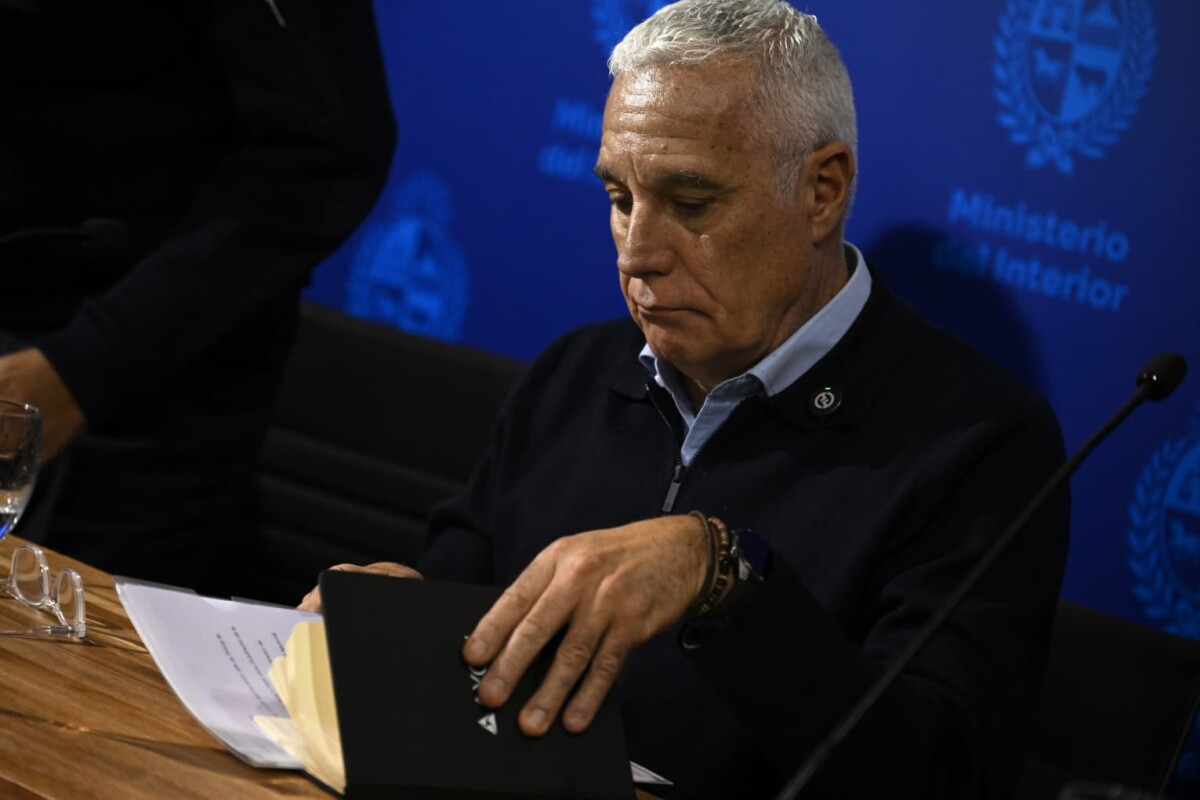
According to Víctor Abal, director of Coexistence and Citizen Security at the ministry, the program's core objective is to "interrupt retaliatory violence." This focus is specifically on conflicts stemming from interpersonal disputes or small group altercations, rather than large-scale disputes between criminal gangs over market share or territory. The impact evaluation is described as a monitoring process to gauge the program's results.
evidence as a component fundamental
Abal emphasized that the current administration views "evidence as a fundamental component" in decision-making. The final decision on the program's fate will rest with the Minister of the Interior, Carlos Negro, who will use the impact assessment as a "significant element of judgment" to determine whether to continue, correct, or transform the initiative. The evaluation is being financed by the Inter-American Development Bank (IDB), but the arrival of funds has taken longer than anticipated, contributing to the delay.
That will depend on the minister and the definitions he values, not on the definition of the director of Coexistence and Citizen Security. When an impact evaluation is done, it is to have a significant element of judgment when it comes to understanding if we have evidence to continue, to correct, to transform
Despite the delays, the program has seen some developments, including a partnership with the State Health Services Administration (ASSE) to implement "interruptor" agents in health centers. These agents aim to prevent retaliatory episodes and new violent incidents linked to individuals admitted to healthcare facilities. Teams have been deployed to Hospital Pasteur and Hospital del Cerro to work with victims of armed violence, particularly those matching the program's risk profiles. However, the program's effectiveness remains under scrutiny, with opposition lawmakers having raised doubts during a recent parliamentary appearance by the Ministry of the Interior.
is a topic that is being evaluated
DistantNews Editorial
Originally published by El País in Spanish. Translated, summarized, and contextualized by our editorial team with added local perspective. Read our editorial standards.
More Stories


From Our Blog

What Gets Lost (and Found) When News Is Translated

The Critical Role of Diaspora Media in Global News

What Travellers Should Know About Countries with Restricted Press

A Digital Nomad's Guide to Following Local News

How the Same Story Looks Different in Different Countries
