

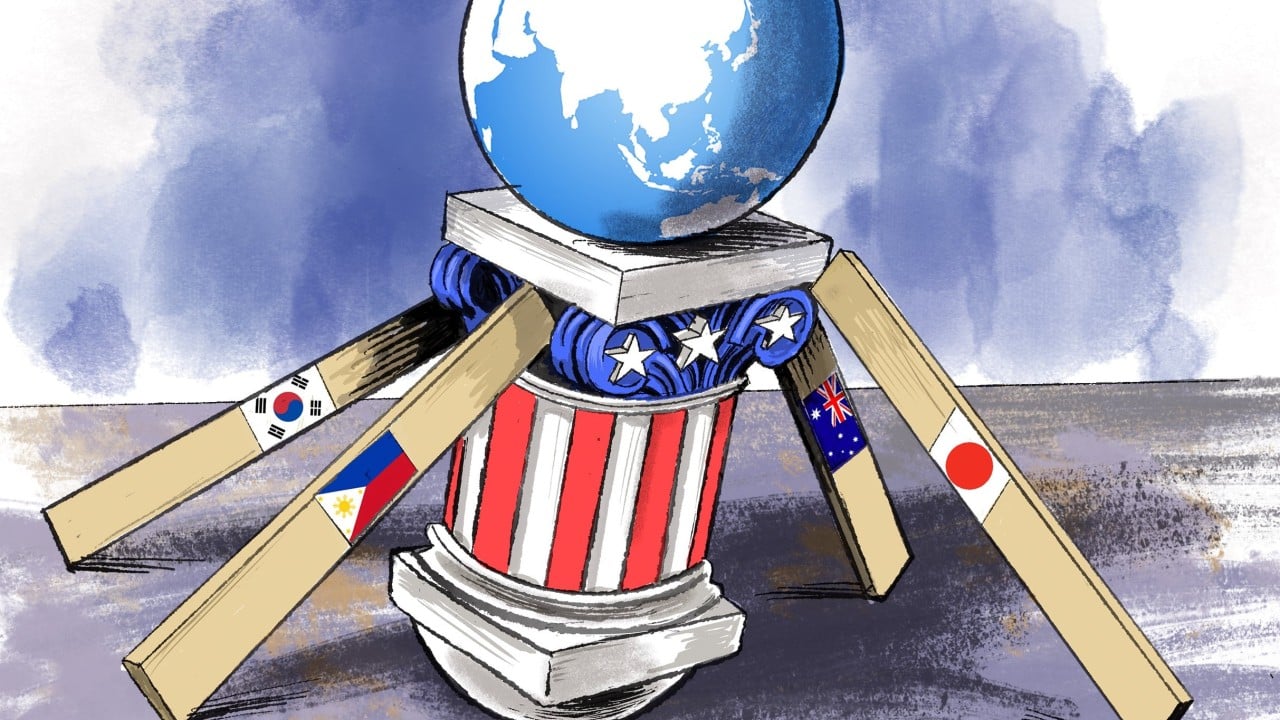
US allies in Asia are looking to build middle-power coalitions
Summarized and contextualized by DistantNews.
TLDR
- Japan is set to relax its decades-old restrictions on military equipment exports, allowing transfers of high-end military technology to up to 17 major defense partners.
- This policy shift, announced by Prime Minister Sanae Takaichi, aims to enhance Japan's security and regional stability.
- The announcement coincided with Japan's first deployment of a large combat mission to the Philippine-US Balikatan exercises, signaling a more active defense posture.
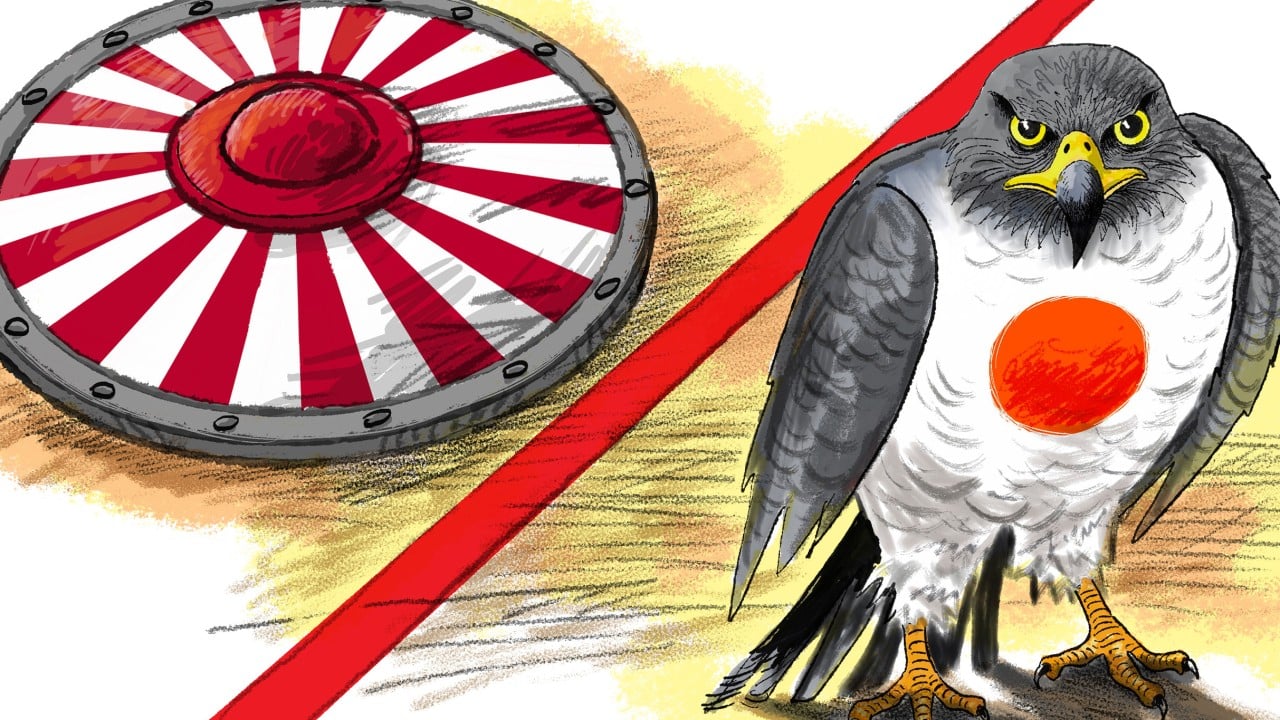
In a significant departure from its post-war pacifist constitution, Japan is poised to fundamentally alter its stance on military equipment exports. Prime Minister Sanae Takaichi announced a strategic shift, signaling a relaxation of long-standing restrictions that previously limited the transfer of defense technology to non-lethal categories. This move, driven by an increasingly severe security environment, aims to bolster Japan's own defense capabilities and contribute more actively to regional peace and stability.
In an increasingly severe security environment, no single country can now protect its own peace and security alone.
The new policy will permit the strategic promotion of equipment transfers, though with rigorous and cautious judgments regarding permissibility. While Japan will continue to refrain from sending armaments to nations actively engaged in conflict, the scope of eligible recipients has expanded significantly. Up to 17 major defense partners can now potentially benefit from Japan's advanced military technology, a move that underscores Tokyo's growing assertiveness in the Indo-Pacific region.
This policy evolution was highlighted by the unprecedented deployment of a 1,400-member contingent from Japan's Self-Defense Forces to the annual Philippine-US Balikatan exercises. This massive combat mission, participating for the first time in the war games, featured major Japanese platforms such as the Type 88 surface-to-ship missile system and the JS Ise warship. The exercises, involving over 17,000 troops from seven nations, also saw Tokyo announce a state visit by Philippine President Ferdinand Marcos Jr., further solidifying bilateral relations.
Under the new system, we will strategically promote equipment transfers while making even more rigorous and cautious judgments on whether transfers are permissible.
From a Japanese perspective, this recalibration of defense policy is a necessary adaptation to a rapidly changing geopolitical landscape. The emphasis on "safeguarding Japan's security" and "further contributing to the peace and stability of the region," as stated by Cabinet Chief Minoru Kihara, reflects a national consensus that collective security is paramount. This proactive approach, while a departure from historical norms, is viewed by many in Japan as a responsible step towards ensuring national interests and maintaining a stable regional order in the face of evolving threats. The participation in joint exercises and the relaxation of export controls are seen as crucial elements in building robust alliances and enhancing deterrence.
intended to safeguard Japan’s security and further contribute to the peace and stability of the region.
DistantNews Editorial
Originally published by South China Morning Post. Summarized and contextualized by our editorial team with added local perspective. Read our editorial standards.
More Stories

From Our Blog

Countries Without a Free Press: What You Need to Know

What Press Freedom Means for the News You Read

What Gets Lost (and Found) When News Is Translated

The Critical Role of Diaspora Media in Global News

What Travellers Should Know About Countries with Restricted Press
