


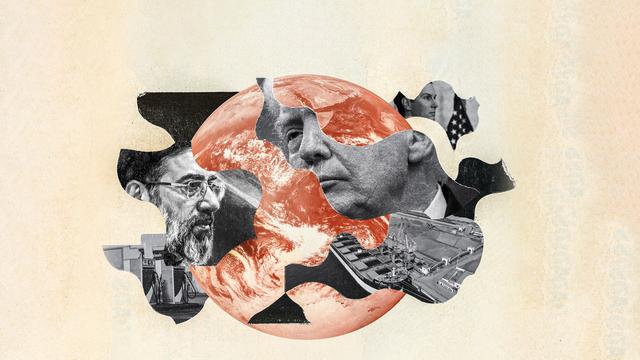
US-Israeli War Against Iran Creates Global 'Collateral Damage,' Exacerbating Hunger
Translated from German, summarized and contextualized by DistantNews.
TLDR
- The U.S. and Israeli military actions against Iran are causing global collateral damage, including increased hunger worldwide.
- The World Food Programme warns that if the conflict isn't ended by June, an additional 45 million people could face acute food insecurity.
- The war's consequences extend to political loyalties and may have surprising impacts on international law and climate protection.
The ongoing military engagement by the United States and Israel against Iran, while ostensibly focused on regional objectives, is creating far-reaching 'collateral damage' that impacts the entire globe. As Die Zeit reports, the consequences are not confined to the immediate theater of operations but are manifesting in exacerbated hunger in distant nations, shifting political alliances, and uneven economic impacts benefiting some countries while harming many others.
Der Angriff der USA und Israels auf den Iran hinterlässt sie auf der ganzen Welt.
A particularly alarming consequence highlighted is the severe threat to global food security. The World Food Programme (WFP) has issued a dire warning: failure to end the Iran conflict by June could plunge an additional 45 million people into acute food insecurity. This would push the total number of globally food-insecure individuals to a staggering 363 million, surpassing the levels seen after the 2022 Russian invasion of Ukraine. This stark reality underscores how interconnected global stability is and how regional conflicts can trigger humanitarian crises far from their origin.
Beyond the immediate humanitarian crisis, the conflict's repercussions are complex and potentially transformative. It is destabilizing political loyalties, fostering new alliances, and creating economic beneficiaries and casualties across the world. Furthermore, the article suggests that this conflict might unexpectedly influence the development of international law and efforts towards climate protection. These potential shifts, though not yet fully understood, indicate the profound and multifaceted nature of the conflict's global footprint.
Werde der Irankrieg nicht spätestens bis Juni beendet, warnt das WFP, seien weltweit zusätzliche 45 Millionen Menschen von akuter Ernährungsunsicherheit oder Hunger bedroht.
From our perspective, the global ramifications of this conflict, as detailed by Die Zeit, serve as a critical reminder of the interconnectedness of international affairs. While Western media may focus on the immediate geopolitical aspects, the devastating impact on global hunger and the potential reshaping of international norms are critical issues that demand broader attention. The suffering caused by this conflict, even indirectly, is a shared global burden that necessitates a concerted effort towards de-escalation and resolution.
Damit stiege die Zahl der Menschen, die nicht genug zu essen haben, auf 363 Millionen, mehr als nach dem russischen Angriff auf die Ukraine 2022.
DistantNews Editorial
Originally published by Die Zeit in German. Translated, summarized, and contextualized by our editorial team with added local perspective. Read our editorial standards.
More Stories
From Our Blog

What Gets Lost (and Found) When News Is Translated

How the Same Story Looks Different in Different Countries

The Critical Role of Diaspora Media in Global News

What Travellers Should Know About Countries with Restricted Press

A Digital Nomad's Guide to Following Local News
