

US: Man Charged with Attempted Assassination of Trump After White House Dinner Attack; Attacker's Writings Questioned
Translated from Finnish, summarized and contextualized by DistantNews.
TLDR
- A man identified as Cole Allen attacked a security officer at a White House Correspondents' Dinner event attended by President Donald Trump.
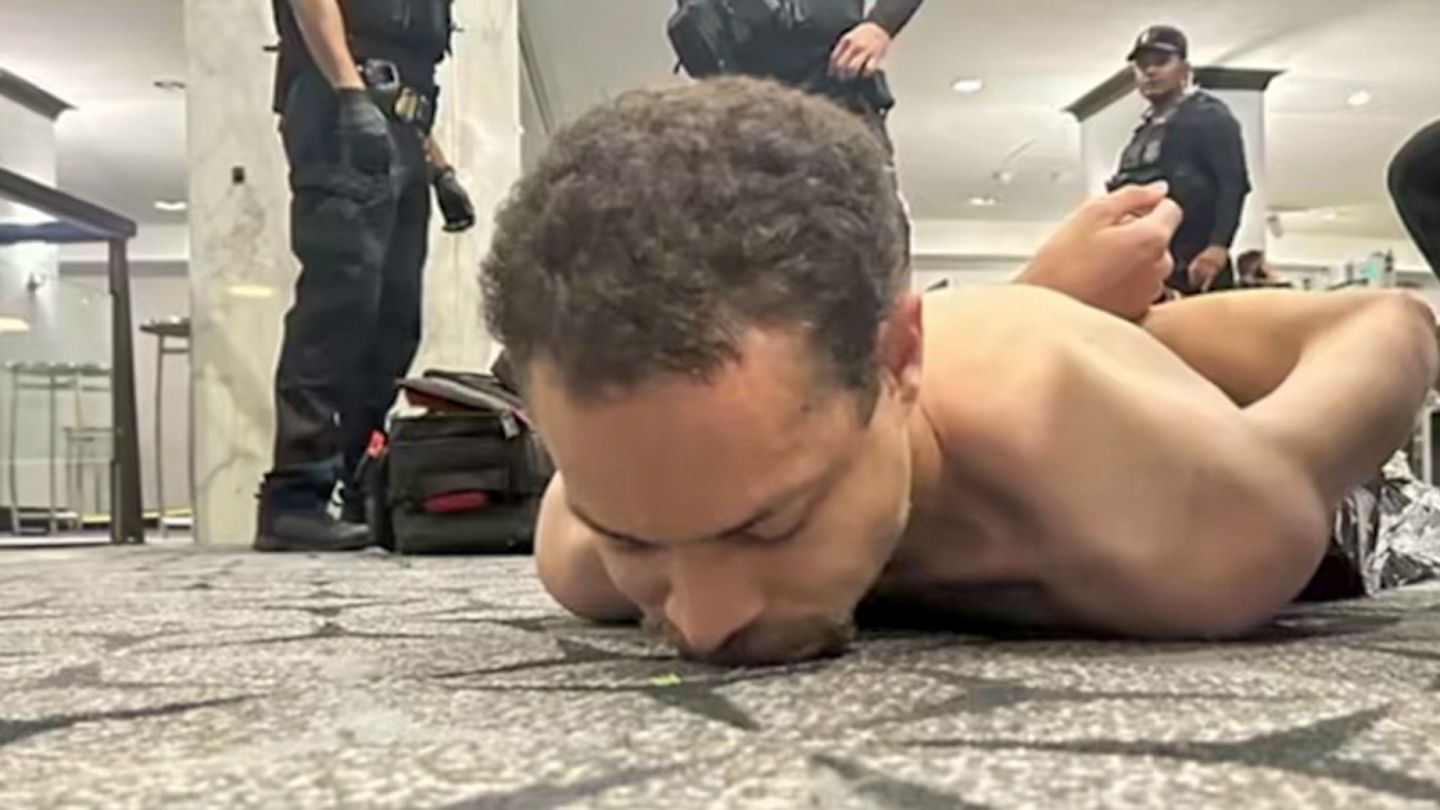
- Allen was apprehended before reaching the main hall and no one was seriously injured, though one guard was shot but protected by a bulletproof vest.
- Allen faces charges including attempted assassination of President Trump, with his motives and writings being scrutinized by media and authorities.
The recent incident at the White House Correspondents' Dinner, where an armed individual was apprehended before causing significant harm, has understandably sent ripples of concern through the nation's capital and beyond. While the swift actions of security personnel prevented a potential tragedy, the event has ignited a fervent debate about the motivations behind such acts.
President Trump himself has pointed to a "left-wing hate cult" as the driving force, a sentiment echoed by White House spokesperson Karoline Leavitt. This framing immediately casts a political shadow over the event, suggesting a broader ideological conflict. However, a closer examination of the alleged perpetrator's writings, as reported, reveals a more complex and perhaps less politically monolithic picture than initially presented.
the attack is explained by a "left-wing hate cult against the president."
The individual, identified as Cole Allen, a 31-year-old from California, appears to have harbored grievances against "government members" broadly, rather than a specific political faction. His writings, while disturbing, do not explicitly convey the anti-Christian hatred that President Trump has alleged. Instead, they seem to grapple with themes of violence as a response to perceived oppression, referencing events like "schoolchildren blown up" and "fishermen executed without trial." This suggests a personal radicalization, possibly influenced by a range of grievances, rather than a direct affiliation with a singular "hate cult."
The media's role in dissecting these events is crucial. While initial reports and political reactions often seek simple explanations, the deeper dive into Allen's background, his online presence, and his writings is essential for a comprehensive understanding. The discrepancy between the political framing and the content of his so-called "manifest" highlights the challenge of attributing such acts to singular causes, especially in an era of polarized discourse. As journalists, our duty is to report the facts, present the evidence, and allow the public to draw their own conclusions, rather than accepting pre-packaged narratives.
When you read his manifesto, he hates Christians, that's for sure. He hates Christians.
DistantNews Editorial
Originally published by Helsingin Sanomat in Finnish. Translated, summarized, and contextualized by our editorial team with added local perspective. Read our editorial standards.
More Stories



From Our Blog

What Gets Lost (and Found) When News Is Translated

The Critical Role of Diaspora Media in Global News

What Travellers Should Know About Countries with Restricted Press

A Digital Nomad's Guide to Following Local News

How the Same Story Looks Different in Different Countries
