

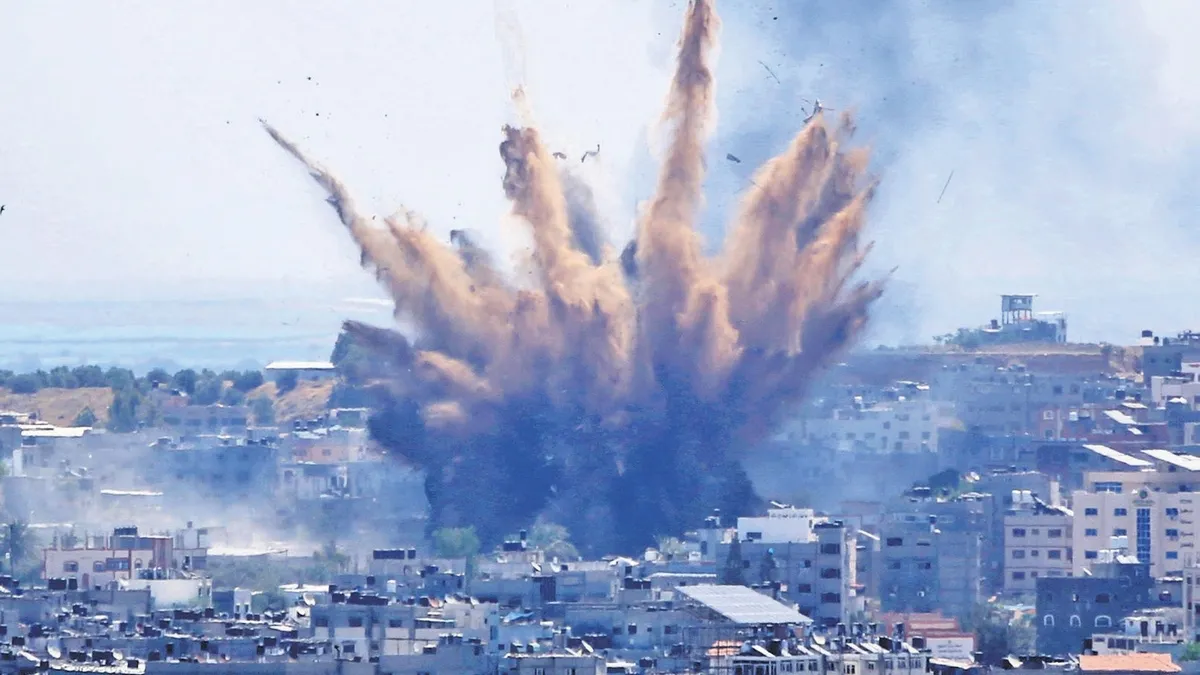
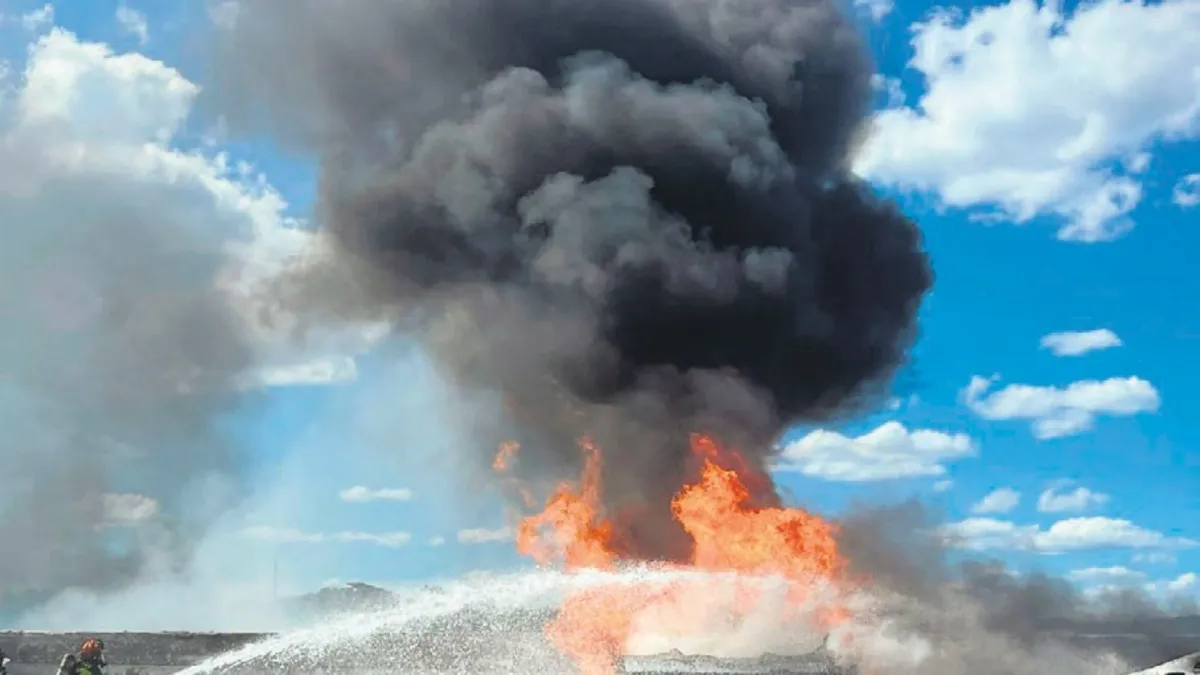
US Sells Weapons Again to Countries It Couldn't Protect
Translated from Turkish, summarized and contextualized by DistantNews.
TLDR
- Despite receiving billions in security aid, Gulf states failed to be protected by the US during the recent conflict, leading to disappointment.
- The Trump administration approved over $8.6 billion in new arms sales to Qatar, Kuwait, the UAE, and Israel, bypassing congressional review.
- The article suggests a deepening rift between the US and Europe, with the US withdrawing troops from Germany and facing delays in missile system deliveries to allies.
The recent conflict has exposed a stark reality for Gulf nations: the security umbrella promised by the United States, for which they have paid billions, proved inadequate. Sabah, reflecting a critical perspective common in Turkish media regarding Western foreign policy, highlights this disillusionment. The article points out the irony of the Trump administration approving significant new arms sales to countries like Qatar, Kuwait, and the UAE, even as their security was compromised, suggesting a transactional rather than protective relationship.
This situation is framed within a broader context of deteriorating US-European relations. The decision to bypass congressional oversight for arms sales, citing an "emergency situation," is viewed with skepticism. Furthermore, the reported withdrawal of US troops from Germany and delays in missile system deliveries to European allies suggest a potential fracturing of Western alliances. The narrative presented is one of American unreliability, where strategic interests and arms deals supersede genuine security commitments, leaving allies vulnerable and questioning the efficacy of their partnerships.
From a Turkish perspective, this unfolding scenario underscores a perceived shift in global power dynamics and the limitations of relying solely on traditional alliances. The article implicitly critiques the US's foreign policy, suggesting that its actions are driven more by commercial interests (arms sales) and geopolitical maneuvering than by a consistent commitment to its allies' security. The emphasis on the financial aspect – billions paid for security that wasn't delivered – highlights a sense of betrayal and a questioning of the long-term viability of such security arrangements.
DistantNews Editorial
Originally published by Sabah in Turkish. Translated, summarized, and contextualized by our editorial team with added local perspective. Read our editorial standards.
More Stories

From Our Blog

What Gets Lost (and Found) When News Is Translated

The Critical Role of Diaspora Media in Global News

What Travellers Should Know About Countries with Restricted Press

A Digital Nomad's Guide to Following Local News

How the Same Story Looks Different in Different Countries
