

US Troop Reduction in Europe: Is the Continent in Danger?
Translated from Romanian, summarized and contextualized by DistantNews.
TLDR
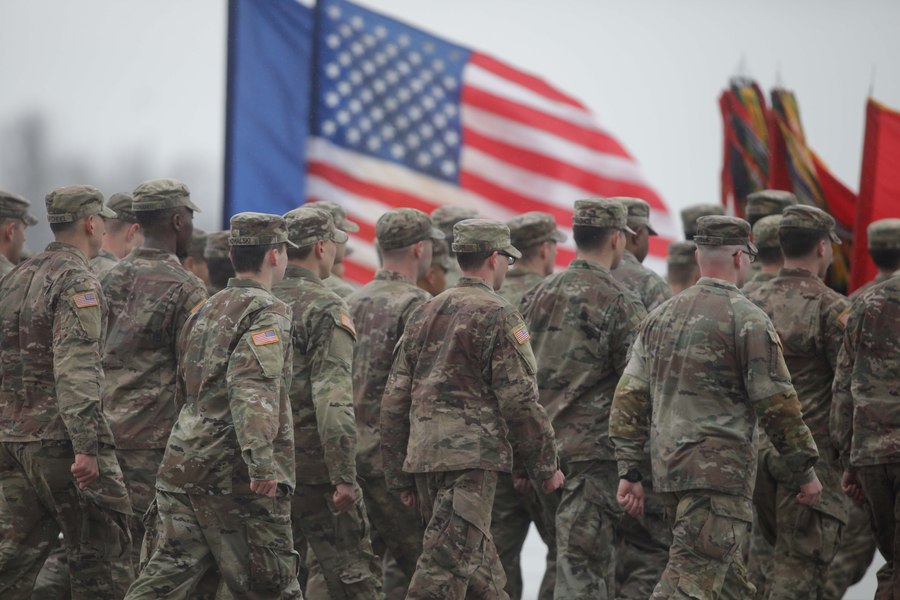
- The Pentagon has officially ordered the withdrawal of approximately 5,000 US military personnel from Germany.
- This move, potentially followed by similar actions in Italy and Spain, comes amid heightened tensions between Washington and its European allies over the war in Iran.
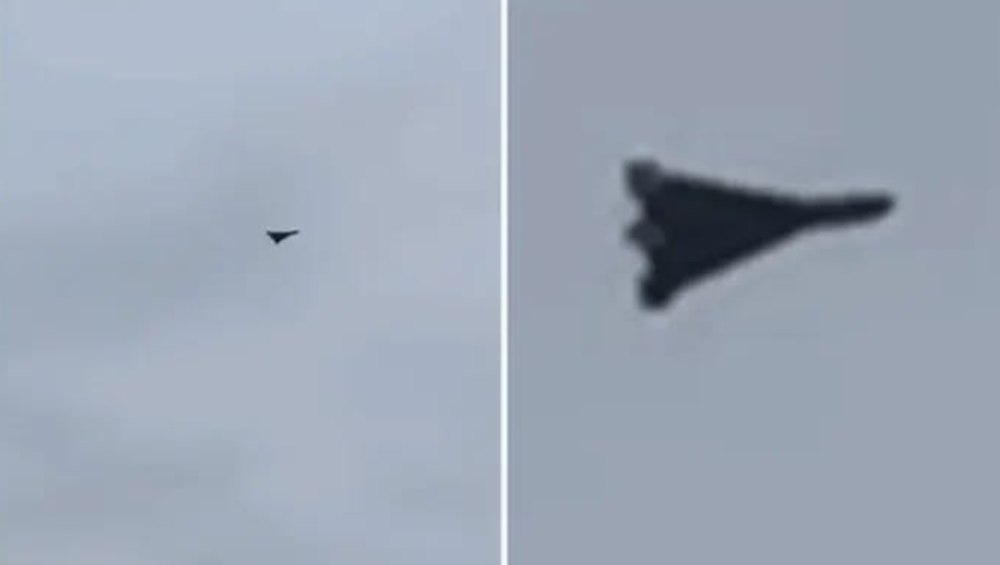
- Military analysts suggest that while a reduction in US presence could be concerning, European forces combined still significantly outweigh Russia's military capabilities.
A significant shift in the geopolitical landscape is underway as the Pentagon confirms the withdrawal of around 5,000 US troops from Germany, with potential follow-on reductions in Italy and Spain. This decision, seemingly influenced by President Donald Trump's critical stance towards European allies, arrives at a moment of considerable strain in transatlantic relations, particularly concerning the ongoing conflict in Iran. For decades, the US military presence in Europe has been a cornerstone of continental security, acting as both a deterrent and a stabilizing force, especially in relation to Russia.
Moscova știe că nu are nicio șansă
From our perspective at Adevărul, this development warrants careful consideration beyond the immediate headlines. While the presence of American soldiers has long been a symbol of the US security commitment to Europe, the underlying strategic rationale and the evolving global security environment necessitate a nuanced analysis. The article rightly points out that even with a reduced US footprint, the combined military strength of European nations remains substantial and, according to analysts like Colonel (ret.) Ion Petrescu, significantly superior to Russia's capabilities. This suggests that European defense can, and perhaps should, increasingly rely on its own integrated forces.
secretarul Apărării a ordonat retragerea a aproximativ 5.000 de soldați din Germania
However, the context of these withdrawals, fueled by Washington's transactional approach to alliances and its divergent views on critical international issues like the Iran conflict, raises deeper questions about the future of NATO and European sovereignty. The article touches upon the exchange between Trump and German Chancellor Friedrich Merz, highlighting a communication breakdown that underscores the fragility of the current alliance structure. While Moscow may currently lack the capacity to challenge a united Europe, the potential weakening of the transatlantic bond, driven by internal US policy shifts, could embolden adversaries in the long run. Romania, like other European nations, must assess how this recalibration of US military posture affects regional security and what steps are necessary to bolster our own defense capabilities and strategic autonomy within a potentially altered European security architecture.
Da, probabil că o voi face. De ce n-aș face asta? Italia nu a fost de niciun ajutor. Spania a fost oribilă. Absolut.
DistantNews Editorial
Originally published by Adevărul in Romanian. Translated, summarized, and contextualized by our editorial team with added local perspective. Read our editorial standards.
More Stories
From Our Blog

What Gets Lost (and Found) When News Is Translated

The Critical Role of Diaspora Media in Global News

What Travellers Should Know About Countries with Restricted Press

A Digital Nomad's Guide to Following Local News

How the Same Story Looks Different in Different Countries
