

US Troop Reduction in Europe Sparks Debate on Defense Burden
Translated from Turkish, summarized and contextualized by DistantNews.
TLDR
- The US plans to reduce its military presence in Europe, with President Trump announcing a significant troop withdrawal from Germany.
- This move sparks debate within NATO about European defense responsibilities and the message it sends to Russia, especially amid the ongoing conflict in Ukraine.
- Germany, a strategic hub for US forces, is also bolstering its own military capabilities in response to regional security challenges.
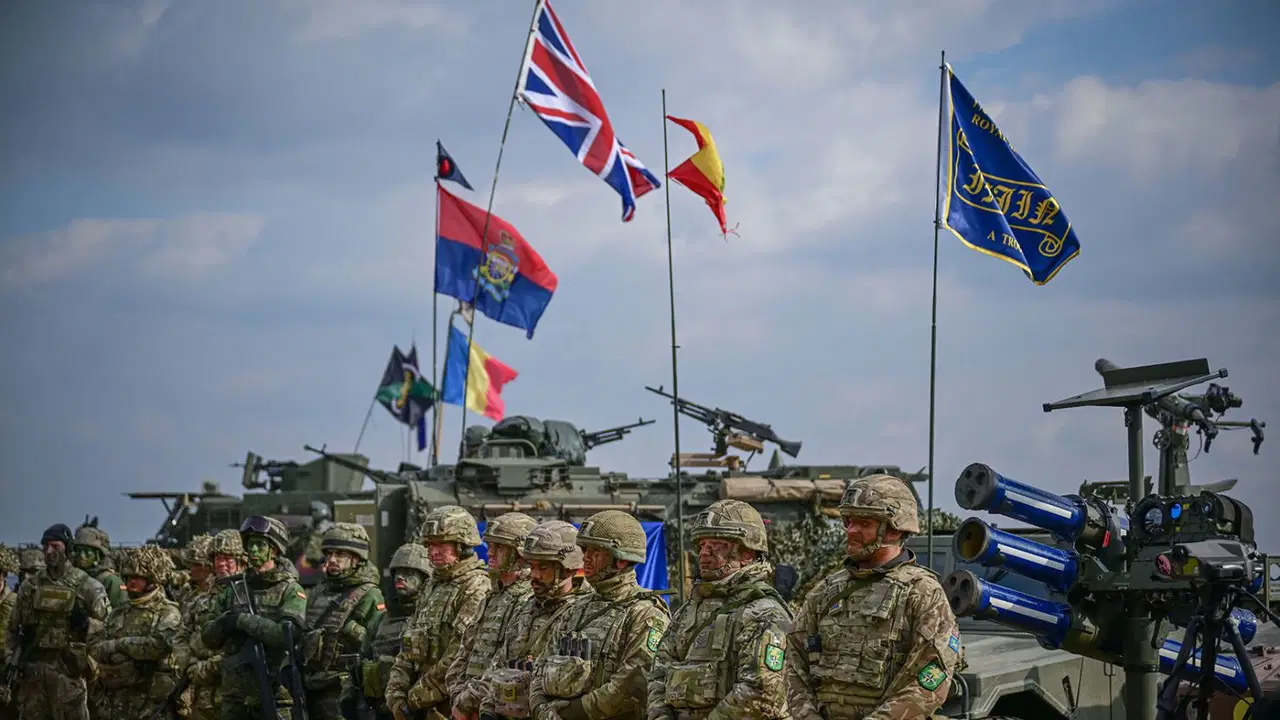
The Trump administration's decision to significantly reduce US troop presence in Germany has ignited a crucial debate about the future of American engagement in Europe and the continent's own defense capabilities. While the exact number of troops to be withdrawn remains unspecified, the initial plan to pull out 5,000 soldiers, with the possibility of further reductions, signals a potential seismic shift in transatlantic security.
ABD Başkanı Donald Trump’ın Almanya’daki askeri varlığı azaltma planı, Washington’ın Avrupa’daki rolünü yeniden tartışmaya açtı.
This development is particularly sensitive given Germany's role as a linchpin for US military operations in Europe and Africa. Hosting key command centers, the Ramstein Air Base, and a major military hospital, along with a significant number of US nuclear weapons, Germany has long been a cornerstone of American power projection on the continent. The potential withdrawal raises questions about the logistical and strategic implications for ongoing operations, not only in Europe but also in Africa and the Middle East.
ABD’nin Avrupa genelinde 80 ila 100 bin asker bulundurduğu, bunların 36 binden fazlasının Almanya’da konuşlandığı belirtiliyor.
The move also comes at a time when NATO allies are being urged to increase their defense spending. While the US emphasizes that European nations must shoulder more of the defense burden, the troop reduction could be perceived by some as undermining NATO's collective security, particularly in the face of Russian aggression. This is a complex balancing act, as the US presence is seen by some as a vital deterrent against Russia, while others argue for a redeployment of forces to Eastern Europe to better counter perceived threats.
ABD’nin asker çekme planı, NATO içinde tartışmalara yol açtı.
From a German perspective, this decision necessitates a serious re-evaluation of national security strategy. Berlin has already committed to a substantial increase in defense spending and military modernization in response to the war in Ukraine. The potential reduction in US forces may accelerate these efforts, forcing Germany and its European partners to assume greater responsibility for their own security, a long-standing objective of US policy but one that carries significant implications for regional stability.
Trump yönetimi, Avrupa’nın savunma konusunda daha fazla sorumluluk alması gerektiğini vurguluyor.
DistantNews Editorial
Originally published by Cumhuriyet in Turkish. Translated, summarized, and contextualized by our editorial team with added local perspective. Read our editorial standards.
More Stories
From Our Blog

What Gets Lost (and Found) When News Is Translated

The Critical Role of Diaspora Media in Global News

What Travellers Should Know About Countries with Restricted Press

A Digital Nomad's Guide to Following Local News

How the Same Story Looks Different in Different Countries
