

US Troop Withdrawal Threatens German Security Amidst Political Tensions
Translated from German, summarized and contextualized by DistantNews.
TLDR
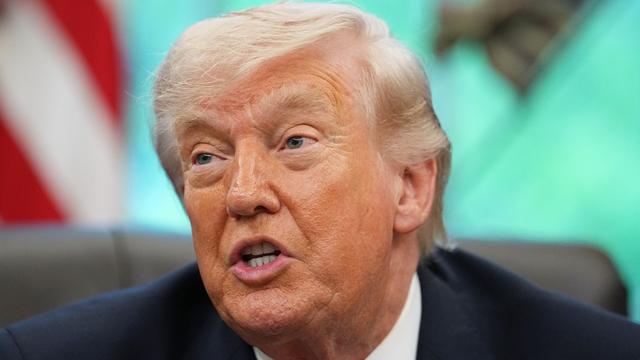
- US President Donald Trump is considering a troop withdrawal from Germany.
- This potential move raises concerns about Germany's security and its relationship with the US.
- The article also touches on Germany's new building energy law and its impact on tenants.
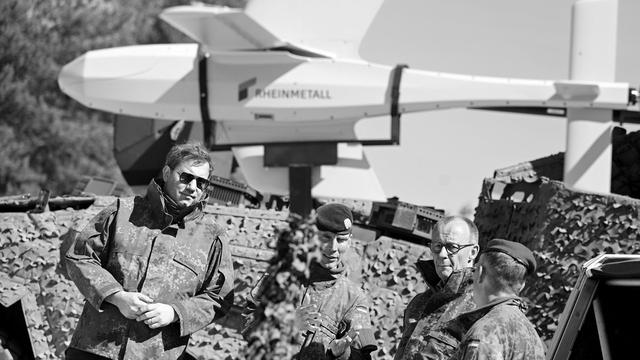
The prospect of a significant US troop reduction in Germany, floated by former President Donald Trump, has sent ripples of concern through the Federal Republic. With approximately 39,000 US soldiers currently stationed on German soil, any substantial withdrawal would have profound implications for the nation's security posture and the broader transatlantic alliance. This discussion unfolds against a backdrop of political friction, with Trump reportedly reacting angrily to German Chancellor Friedrich Merz's criticisms of US strategy in the Middle East. The German government, led by Merz and Vice Chancellor Lars Klingbeil, has been actively engaging with the Bundeswehr (German Armed Forces), seeking to understand its equipment and future capabilities. This internal focus on defense readiness, however, is now juxtaposed with the external uncertainty generated by Washington's potential policy shift. From a German perspective, the US military presence is a cornerstone of post-war security architecture, and its reduction would necessitate a reevaluation of national defense strategies and potentially increase reliance on European defense initiatives. The article also delves into domestic policy, specifically the contentious new building energy law, highlighting a compromise reached on cost-sharing between tenants and landlords. This dual focus—on international security and domestic legislation—reflects the complex challenges facing Germany as it navigates a shifting geopolitical landscape and implements ambitious climate policies.
We are abolishing Habeck's heating law and giving back the necessary freedom in the basement.
DistantNews Editorial
Originally published by Die Zeit in German. Translated, summarized, and contextualized by our editorial team with added local perspective. Read our editorial standards.
More Stories

From Our Blog

What Gets Lost (and Found) When News Is Translated

How the Same Story Looks Different in Different Countries

The Critical Role of Diaspora Media in Global News

What Travellers Should Know About Countries with Restricted Press

A Digital Nomad's Guide to Following Local News
