


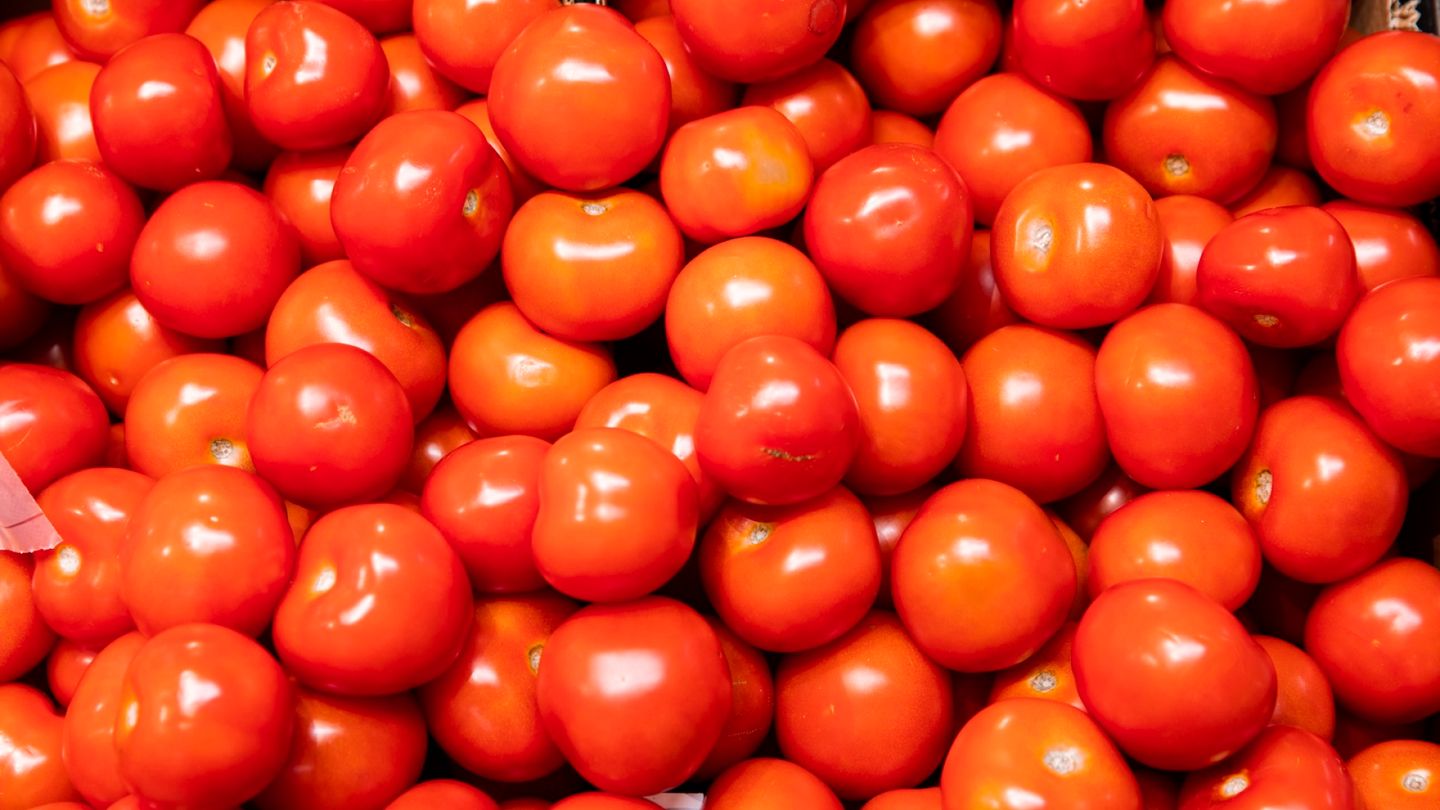
Vegetables | Prices of domestic tomatoes are now high, and the war in Iran could affect them further
Translated from Finnish, summarized and contextualized by DistantNews.
TLDR
- The price of domestic loose tomatoes in Finland has been high due to severe winter frosts, with prices reaching up to 7.99 euros per kilogram in some stores.
- The ongoing conflict in the Middle East has driven up oil prices, subsequently increasing costs for greenhouse cultivation, including plastics, fertilizers, and transportation.
- While price increases may be delayed due to existing supply contracts, the rising costs associated with energy and raw materials suggest that higher vegetable prices may persist longer than anticipated.
Consumers in Finland are currently facing significantly higher prices for domestic tomatoes, a situation exacerbated by the harsh winter frosts that impacted harvests. The cost of loose, fresh tomatoes has been notably elevated, with prices in Helsinki stores this week ranging from 5.99 to as much as 7.99 euros per kilogram. This stands in stark contrast to the average price of around five euros per kilogram observed between 2018 and 2023, indicating a substantial increase.
The price of loose domestic tomato has been relatively high for some time.
The ripple effects of global events are also keenly felt in our agricultural sector. The conflict in the Middle East has led to a surge in oil prices, directly impacting the operational costs for Finnish greenhouse cultivation. Farmers rely heavily on energy for heating and lighting, as well as on plastics, fertilizers, and transportation – all of which are becoming more expensive. This increase in production costs, even with measures like dimming greenhouse lights to save energy, has led to reduced tomato yields and consequently, higher prices.
The war in Iran has raised the price of oil, which in turn raises farmers' costs.
While the immediate price hikes may be partly attributed to the winter's impact, the ongoing geopolitical tensions suggest that these elevated costs could persist. The rising price of oil affects not only fuel for transportation but also the cost of essential agricultural inputs like fertilizers, some of which are sourced from the Middle East. Furthermore, the price of plastic packaging, crucial for many domestic vegetables, has also seen an increase. Although farmers may have long-term contracts with retailers, potentially delaying the full impact on consumer prices, the underlying cost pressures indicate that we may not see a return to previous price levels anytime soon.
The rise in the cost of oil also means rising costs for transport.
DistantNews Editorial
Originally published by Helsingin Sanomat in Finnish. Translated, summarized, and contextualized by our editorial team with added local perspective. Read our editorial standards.
More Stories



From Our Blog

What Gets Lost (and Found) When News Is Translated

The Critical Role of Diaspora Media in Global News

What Travellers Should Know About Countries with Restricted Press

A Digital Nomad's Guide to Following Local News

How the Same Story Looks Different in Different Countries
