


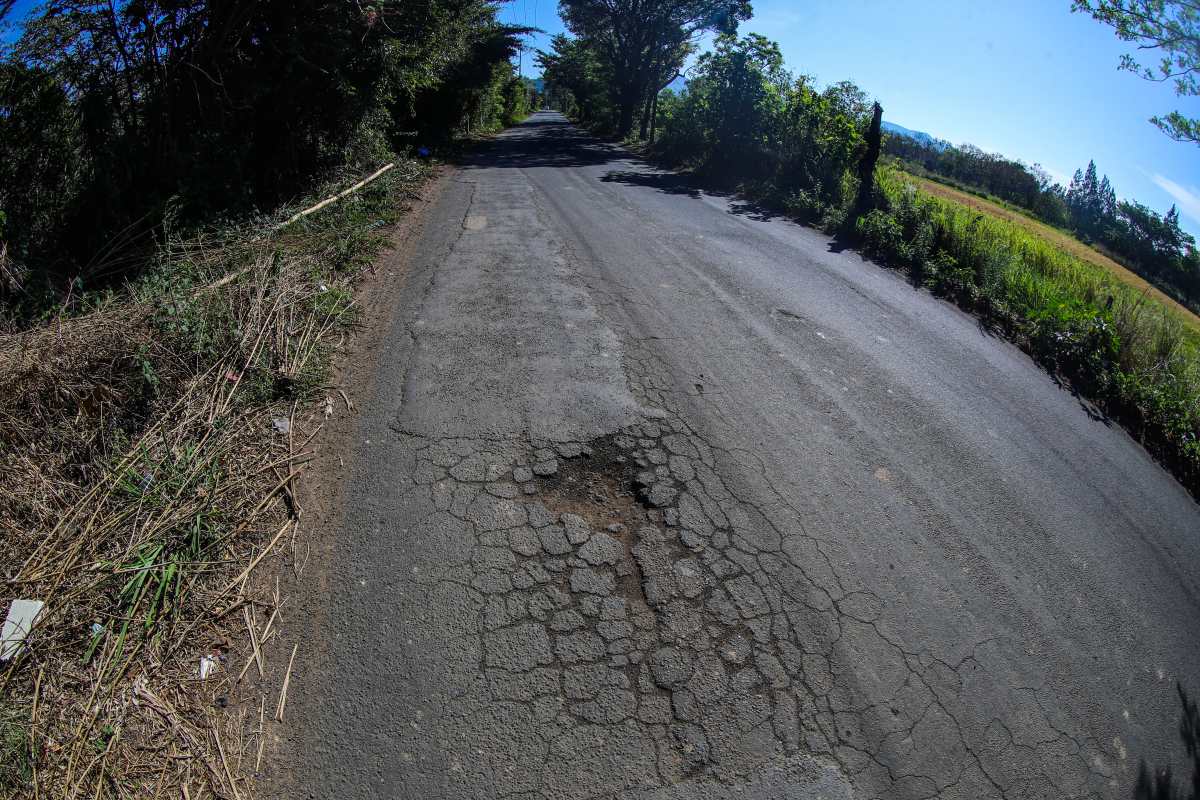
VIDEO: 'We must stop repairing roads for emergencies and do it with planning'
Translated from Spanish, summarized and contextualized by DistantNews.
TLDR
- Guatemala's new road infrastructure law allows for 36-month contracts via a special emergency bidding process to expedite road projects.
- Experts advocate for shifting from emergency repairs to planned, multi-annual maintenance to create more resilient roads.
- Delays in diagnostics and budget allocation by entities like Covial hinder timely road maintenance, especially before the rainy season.
Prensa Libre (GT) highlights a critical issue facing Guatemala: the urgent need to transition from reactive emergency road repairs to proactive, planned infrastructure maintenance. The article frames the new road infrastructure law as a potential, albeit imperfect, solution, enabling faster contract awards through emergency bidding. However, the core message, amplified by industry experts, is that this law alone is insufficient without a fundamental shift in planning and budgeting. The Guatemalan perspective here is one of frustration with systemic inefficiencies. The 'emergency' bidding, while a tool, underscores a recurring problem: a failure to anticipate and budget for regular maintenance. The comparison of roads to cars needing preventative care is a relatable analogy for the local audience, emphasizing that neglecting routine upkeep leads to costlier, more dangerous failures, particularly during the intense rainy seasons that are a defining feature of the region's climate. The article implicitly criticizes institutions like Covial for their role in these recurring delays, suggesting a need for greater accountability and foresight in managing the nation's vital transport arteries.
Hemos visto que cada vez las lluvias son más copiosas y existe peligro de inundaciones y de que los puentes no soporten. El mantenimiento es clave para toda esta infraestructura vial que nos conecta
DistantNews Editorial
Originally published by Prensa Libre in Spanish. Translated, summarized, and contextualized by our editorial team with added local perspective. Read our editorial standards.
More Stories


From Our Blog

What Gets Lost (and Found) When News Is Translated

The Critical Role of Diaspora Media in Global News

What Travellers Should Know About Countries with Restricted Press

A Digital Nomad's Guide to Following Local News

How the Same Story Looks Different in Different Countries
