


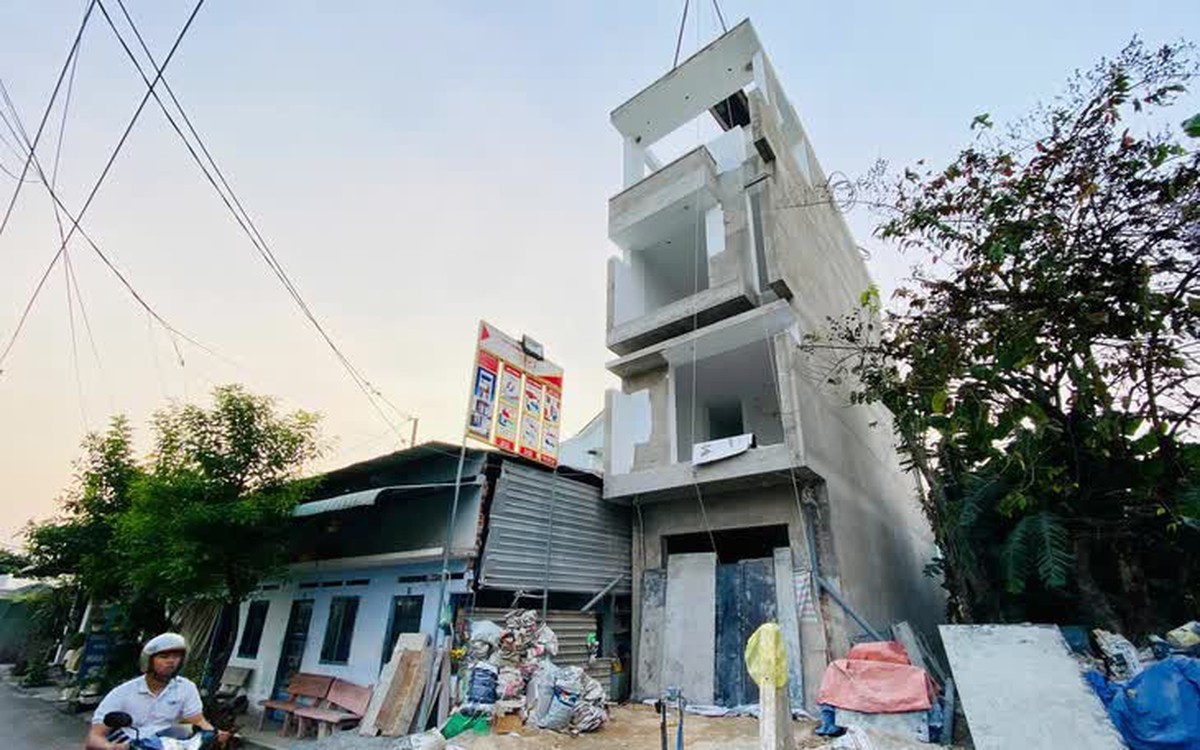
Vietnam exempts eight types of construction projects from building permits under new law
Translated from Vietnamese, summarized and contextualized by DistantNews.
TLDR
- Vietnam's new Law on Construction, effective July 1, 2026, exempts eight types of construction projects from requiring building permits.
- These exemptions include certain Category 4 structures and individual houses under seven stories with a total floor area below 500 m², provided they are not in specially designated urban or functional zones.
- The new law also streamlines procedures for interior and exterior renovations, focusing on technical standards and safety, while requiring notification of construction commencement to local authorities.
The upcoming Law on Construction, set to take effect in Vietnam from July 1, 2026, introduces significant changes aimed at simplifying procedures for citizens and businesses. A key highlight is the exemption of eight categories of construction projects from the need for building permits, a move that is expected to ease the administrative burden on developers and homeowners.
Among the notable exemptions are individual housing projects under seven stories and with a total floor area not exceeding 500 square meters. This provision, unlike the current law, specifies a floor area limit, offering clearer guidelines. However, these exemptions are contingent upon the projects not being located in areas designated by urban planning, such as specific functional zones or national tourist areas. This ensures that development in sensitive or planned areas remains under regulatory oversight.
The law also addresses renovations, making it easier for property owners to undertake interior modifications or exterior repairs that do not alter the building's purpose or structural integrity. The focus shifts from pre-approval to ensuring compliance with safety, fire prevention, and environmental standards. This approach reflects a broader trend in Vietnamese legislation to balance development facilitation with robust regulatory frameworks.
From a Vietnamese perspective, these changes are seen as a positive step towards modernizing the construction sector and fostering economic activity. While the law aims to streamline processes, it also emphasizes stricter technical standards and integration with other safety regulations, such as fire prevention. The requirement to notify local authorities before commencing construction, even for exempted projects, ensures continued oversight and management of urban development. This nuanced approach aims to encourage growth while maintaining order and safety, a balancing act crucial for Vietnam's rapid urbanization.
DistantNews Editorial
Originally published by Tuổi Trẻ in Vietnamese. Translated, summarized, and contextualized by our editorial team with added local perspective. Read our editorial standards.
More Stories


From Our Blog

What Gets Lost (and Found) When News Is Translated

The Critical Role of Diaspora Media in Global News

What Travellers Should Know About Countries with Restricted Press

A Digital Nomad's Guide to Following Local News

How the Same Story Looks Different in Different Countries
