

Vietnam lawmakers debate publishing law revisions, balancing oversight
Translated from Vietnamese, summarized and contextualized by DistantNews.
At a glance
News
Named sources
New plan
- Vietnam's National Assembly is discussing amendments to the Publishing Law to balance pre-publication review and post-publication checks.
- Lawmakers debated strengthening controls on politically sensitive content while shifting towards a post-publication oversight model.
- The proposed changes aim to enhance state management and reduce errors in the publishing industry.
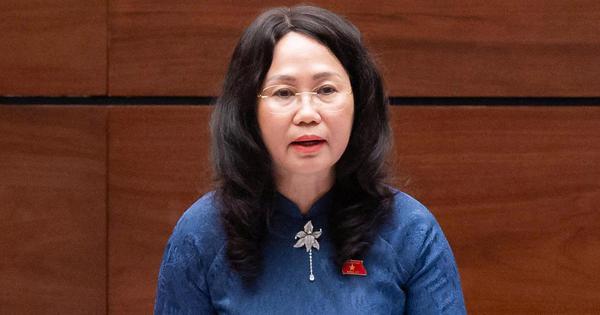
Lawmakers in Vietnam's National Assembly are debating revisions to the Publishing Law, focusing on a shift from pre-publication censorship to post-publication oversight. Minister of Culture, Sports, and Tourism, Lâm Thị Phương Thanh, stated the amendments aim to harmonize pre- and post-publication checks while ensuring political and ideological security and minimizing errors.
Reducing pre-publication review does not mean reducing management, but shifting from control before to rapid detection, accurate tracing, and timely handling.
During the discussion, Nguyễn Phạm Duy Trang of Ho Chi Minh City's delegation supported the move towards post-publication review and the establishment of a national publishing database. However, she stressed the need for stricter controls on content impacting politics, history, and ideology, suggesting a risk-based approach to inspections.
Nguyễn Thị Việt Nga of Hai Phong City's delegation agreed on increased control for sensitive publications but called for clearer legal frameworks for the "three-tier control mechanism" to avoid undefined legal periods. She emphasized stricter oversight for content related to national sovereignty, history, and sensitive issues.
Content related to national sovereignty, national history, leaders, and particularly sensitive issues requires a stricter control mechanism.
Nguyễn Thái Học of Đắk Lắk's delegation highlighted the importance of political and ethical standards for publishing house leaders, noting their omission in the draft. He argued that these qualities, proven through experience, are crucial and cannot be solely demonstrated by academic qualifications. Học also criticized the draft's inspection and handling of violations as insufficient, advocating for a separate article dedicated to these aspects to ensure stronger deterrence.
Political and ethical qualities are very important. This reflects qualities and character tested through practice, which academic qualifications cannot show.
DistantNews Editorial
Originally published by Thanh Niên in Vietnamese. Translated, summarized, and contextualized by our editorial team with added local perspective. Read our editorial standards.
More Stories


From Our Blog

What Gets Lost (and Found) When News Is Translated

The Critical Role of Diaspora Media in Global News

What Travellers Should Know About Countries with Restricted Press

A Digital Nomad's Guide to Following Local News

How the Same Story Looks Different in Different Countries
