

Vietnam Ministry of Education and Training Issues 2026 University Admissions Guidelines
Translated from Vietnamese, summarized and contextualized by DistantNews.
TLDR
- Vietnam's Ministry of Education and Training has issued guidelines for university and college admissions in 2026.
- The guidelines detail the application process, including online registration, nguyện vọng (aspirational choices) limits, and fee payments.
- Universities must establish clear and simple methods for converting scores from various entrance exams to a standardized equivalent, ensuring fairness and transparency.
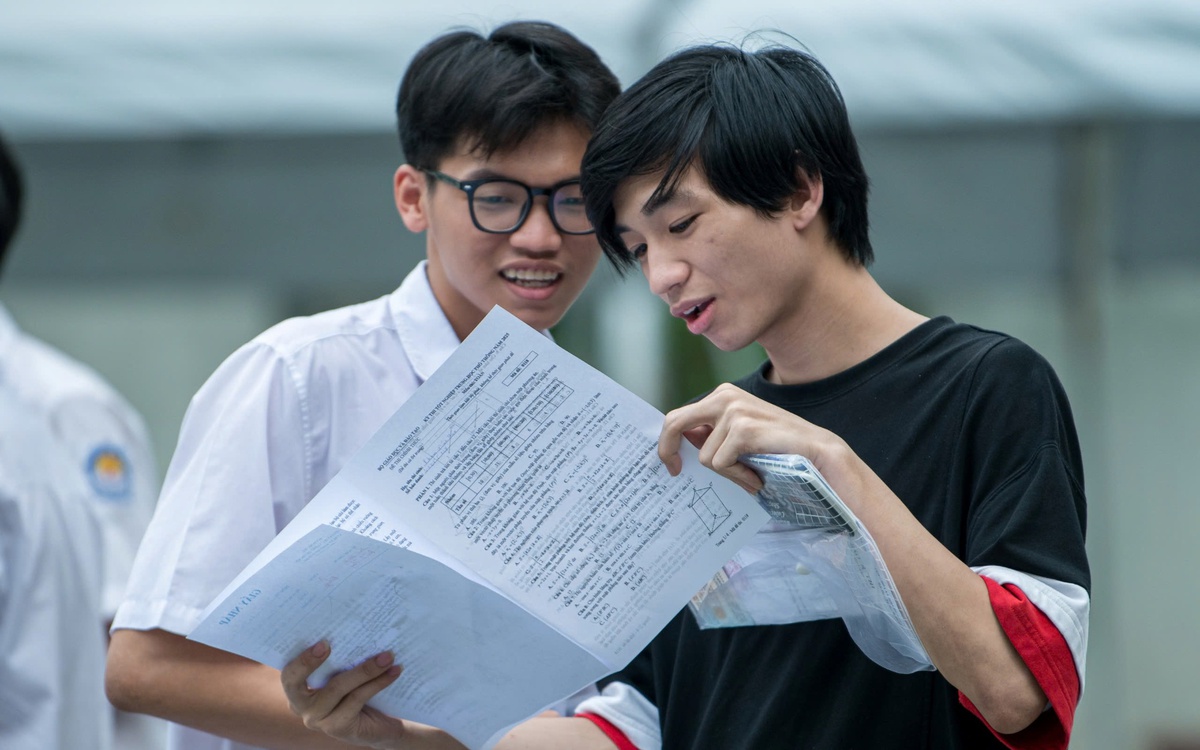
The Ministry of Education and Training has laid out the roadmap for university admissions in 2026, emphasizing a streamlined and transparent process for all applicants. This year, a significant shift requires all candidates, including those with direct admission privileges, to register their aspirations online through the Ministry's unified system. This move aims to centralize and simplify the application process, ensuring all choices are considered within a single framework.
Key to the new guidelines is the minimum score requirement of 15 out of 30 for the three subjects in the high school graduation exam, excluding bonus points. This standard applies broadly, with specific exceptions for those granted special graduation status. The Ministry has also capped the number of aspirations at 15, with a stricter limit of five for teacher training programs, reflecting a targeted approach to specialized fields.
Furthermore, the Ministry has mandated a clear and understandable system for universities to convert scores from different entrance exams into equivalent scores. This is crucial for maintaining fairness and preventing confusion among students. The conversion framework, based on percentile methods and analysis of past exam results, will ensure that candidates are evaluated equitably, regardless of the specific exams they take. This focus on clarity and scientific grounding aims to build trust and confidence in the admissions process.
DistantNews Editorial
Originally published by Tuổi Trẻ in Vietnamese. Translated, summarized, and contextualized by our editorial team with added local perspective. Read our editorial standards.
More Stories


From Our Blog

What Gets Lost (and Found) When News Is Translated

The Critical Role of Diaspora Media in Global News

What Travellers Should Know About Countries with Restricted Press

A Digital Nomad's Guide to Following Local News

How the Same Story Looks Different in Different Countries
