


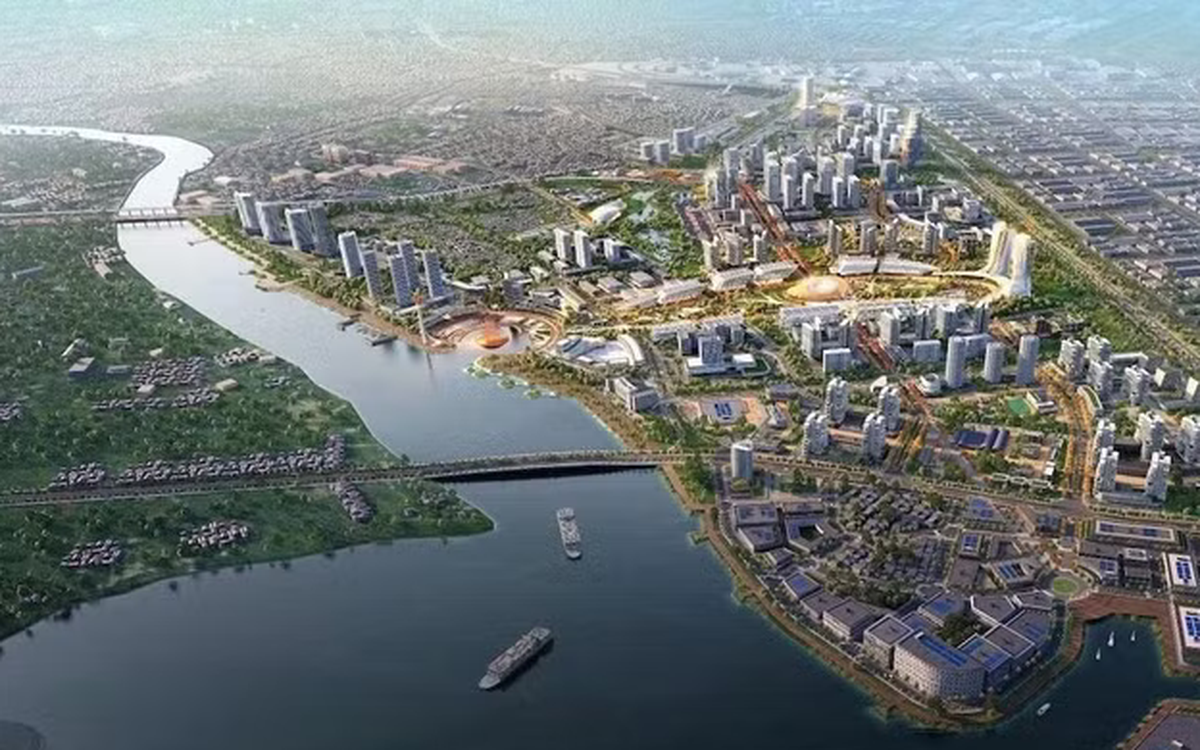
Vietnam Recognizes Seven Centrally-Governed Cities
Translated from Vietnamese, summarized and contextualized by DistantNews.
TLDR
- As of April 30, 2026, Vietnam officially recognizes seven centrally-governed cities.
- These cities include Hanoi, Ho Chi Minh City, Hai Phong, Da Nang, Can Tho, Hue, and Dong Nai.
- They hold special status or Type I classification, serving as major economic, political, and cultural centers for the country.
This announcement marks a significant administrative and developmental milestone for Vietnam, officially designating seven of its major urban centers as centrally-governed cities. As reported by Tuổi Trẻ, this reclassification elevates Hanoi, Ho Chi Minh City, Hai Phong, Da Nang, Can Tho, Hue, and Dong Nai to a new tier of administrative importance. These cities are not merely population hubs; they are designated as special or Type I cities, underscoring their critical roles as national economic, political, and cultural powerhouses.
The designation signifies more than just a change in administrative status. It reflects Vietnam's ongoing urbanization and economic development strategy, focusing on key urban centers to drive national growth. By granting these cities greater autonomy and resources, the government aims to enhance their capacity to manage complex urban issues, attract investment, and foster innovation. This move is expected to streamline governance and accelerate development in these vital regions.
From a Vietnamese perspective, these cities are the engines of the nation's progress. They are centers of opportunity, education, and cultural exchange. The recognition of their special status acknowledges their unique contributions and their potential to lead the country into a more prosperous future. The media in Vietnam, like Tuổi Trẻ, would likely frame this as a positive development, highlighting the government's forward-thinking approach to urban planning and national development.
This administrative restructuring is particularly interesting because it aligns with Vietnam's long-term vision for a modern, industrialized nation. The focus on these seven cities suggests a strategic approach to regional development, ensuring that key economic zones are well-supported and positioned for growth. It also reflects a decentralized approach to governance, empowering these major cities to better serve their populations and contribute to the national economy.
DistantNews Editorial
Originally published by Tuổi Trẻ in Vietnamese. Translated, summarized, and contextualized by our editorial team with added local perspective. Read our editorial standards.
More Stories

From Our Blog

What Gets Lost (and Found) When News Is Translated

The Critical Role of Diaspora Media in Global News

What Travellers Should Know About Countries with Restricted Press

A Digital Nomad's Guide to Following Local News

How the Same Story Looks Different in Different Countries
