


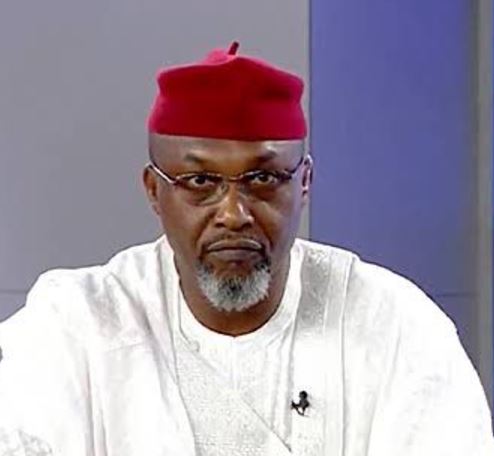
Voter apathy in Nigeria rising geometrically, says Chidoka
Summarized and contextualized by DistantNews.
TLDR
- Former Nigerian Minister of Aviation, Osita Chidoka, warns of a significant and worsening voter apathy in Nigeria.
- He cited a decline in voter turnout from 53.7% in 2011 to 27% in 2023, calling it a serious political participation problem.
- Chidoka attributed the apathy to structural issues in the electoral system, including logistical challenges and discouraging voter experiences, during a lecture at ESUT.
Vanguard's reporting on Osita Chidoka's address at Enugu State University of Science and Technology (ESUT) brings a critical national perspective to Nigeria's electoral challenges. Chidoka, a former Minister of Aviation, doesn't just present statistics; he frames the declining voter turnout as a symptom of a 'troubling political culture' and a 'serious political participation problem.' This framing resonates with many Nigerians who feel disillusioned with the political process.
The stark figures – a drop from 53.7% in 2011 to a mere 27% in 2023 – are presented not as abstract data but as evidence of a systemic failure. Chidoka's comparison with India, where electoral materials are strategically moved to ensure voter access, highlights a perceived deficiency in Nigeria's own electoral logistics. His rhetorical question, 'If you are a trader and you close your shop to vote, and electoral materials arrive late, and after waiting for hours your candidate does not win, will you come out again to vote?' powerfully captures the frustration and practical barriers faced by ordinary citizens.
We have a serious political participation problem. Between 2011 and 2023, our voting strength reduced from 53.7% to 27%. The negative side of this culture is that those who did not vote will determine those who will govern us.
From a Nigerian perspective, this discussion is not merely academic. It touches upon the very legitimacy of governance and the representativeness of elected officials. When a significant portion of the electorate abstains, questions arise about whether the government truly reflects the will of the people. Chidoka's call to rebuild Nigeria's political culture for a new generation underscores a national desire for a more robust and engaging democratic process. The fact that this lecture was delivered at ESUT, and that the Vice-Chancellor and organizing committee chairman highlighted Chidoka's credentials, lends weight to his observations within the Nigerian academic and policy circles.
If you are a trader and you close your shop to vote, and electoral materials arrive late, and after waiting for hours your candidate does not win, will you come out again to vote?
DistantNews Editorial
Originally published by Vanguard. Summarized and contextualized by our editorial team with added local perspective. Read our editorial standards.
More Stories


From Our Blog

How the Same Story Looks Different in Different Countries

What Gets Lost (and Found) When News Is Translated

The Critical Role of Diaspora Media in Global News

What Travellers Should Know About Countries with Restricted Press

A Digital Nomad's Guide to Following Local News
