

Voters in Ho Chi Minh City lament neglected public buildings
Translated from Vietnamese, summarized and contextualized by DistantNews.
TLDR
- Voters in Ho Chi Minh City expressed concern over the neglect and underutilization of surplus public properties, urging for prompt solutions to prevent waste.
- Concerns were raised about the heavy workload and excessive examinations in the current high school curriculum, with calls for reducing academic pressure on students.
- Local authorities addressed issues within their purview, while national-level concerns were noted for reporting to the National Assembly.
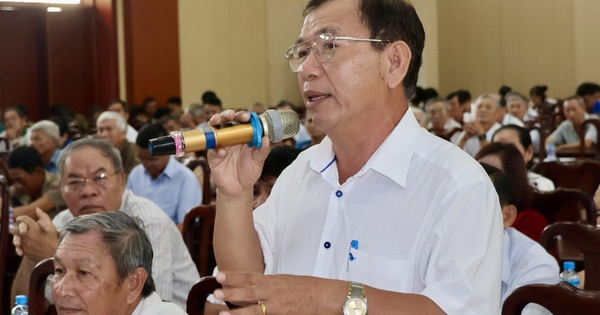
During a recent meeting with voters in Ho Chi Minh City, representatives from National Assembly Delegation No. 2 addressed a range of pressing local issues. A significant point of contention raised by constituents was the state of public assets, particularly surplus office buildings that have fallen into disrepair and disuse. Voters like Pham Van Loi lamented the squandering of taxpayer money, highlighting the 'heartbreaking' sight of once-valuable structures becoming derelict.
Each facility we build costs tens, even hundreds of billions of dong, but after the rearrangement of surplus assets, many facilities are derelict and degraded, which is very heartbreaking…
The education sector also came under scrutiny, with voters expressing anxieties about the current high school curriculum. Concerns were voiced that the program is overly burdensome, placing undue stress on students through a demanding schedule and numerous examinations. A plea was made to national delegates to advocate for a reduction in academic load, allowing students more time to pursue their talents and interests outside of rigorous study.
Officials from the Ho Chi Minh City Department of Education and Training responded to the educational concerns, clarifying that while the current curriculum is perceived as heavy, evaluations suggest it is lighter than previous iterations. They also noted upcoming changes, including the implementation of a single set of textbooks from the 2026-2027 academic year, which is expected to further alleviate student pressure.
I propose that National Assembly deputies voice opinions to cut down on some subjects and exams, reducing pressure on students to have time for learning and developing their talents…
National Assembly Vice Chairman Vo Hoang Ngan assured attendees that issues falling under local jurisdiction would be addressed by relevant city departments. Meanwhile, Lieutenant General Tao Duc Thang, representing the delegation, pledged to relay concerns within the central government's purview to the National Assembly for consideration in upcoming sessions. This engagement underscores the commitment to addressing citizen feedback and ensuring public assets are managed effectively and educational reforms are thoughtfully implemented.
The current general education program (since 2018) is considered by many to be heavier, but through evaluation, it is lighter. Previously, the general education program used 3 sets of textbooks, but now and specifically from the 2026-2027 academic year, according to the Politburo's Resolution, a single set of textbooks will be implemented… From then on, the curriculum will also be lighter and less stressful.
DistantNews Editorial
Originally published by Thanh Niên in Vietnamese. Translated, summarized, and contextualized by our editorial team with added local perspective. Read our editorial standards.
More Stories

From Our Blog

What Gets Lost (and Found) When News Is Translated

The Critical Role of Diaspora Media in Global News

What Travellers Should Know About Countries with Restricted Press

A Digital Nomad's Guide to Following Local News

How the Same Story Looks Different in Different Countries
