


'We're Glad if a Woman is Beside Us...': Men Overestimate Their Health, Notes Family Doctor
Translated from Latvian, summarized and contextualized by DistantNews.
TLDR
- Latvian men significantly overestimate their health status compared to women, despite living nearly 10 years less on average.
- A family doctor suggests that men lack health education and often rely on female partners to manage their well-being.
- This disparity highlights a critical public health issue in Latvia regarding men's health awareness and preventative care.
Delfi Latvia sheds light on a concerning trend in men's health within the country: a persistent disconnect between perceived health and actual longevity. Statistics reveal that Latvian men live, on average, almost a decade shorter than women, yet they consistently rate their own health more favorably.
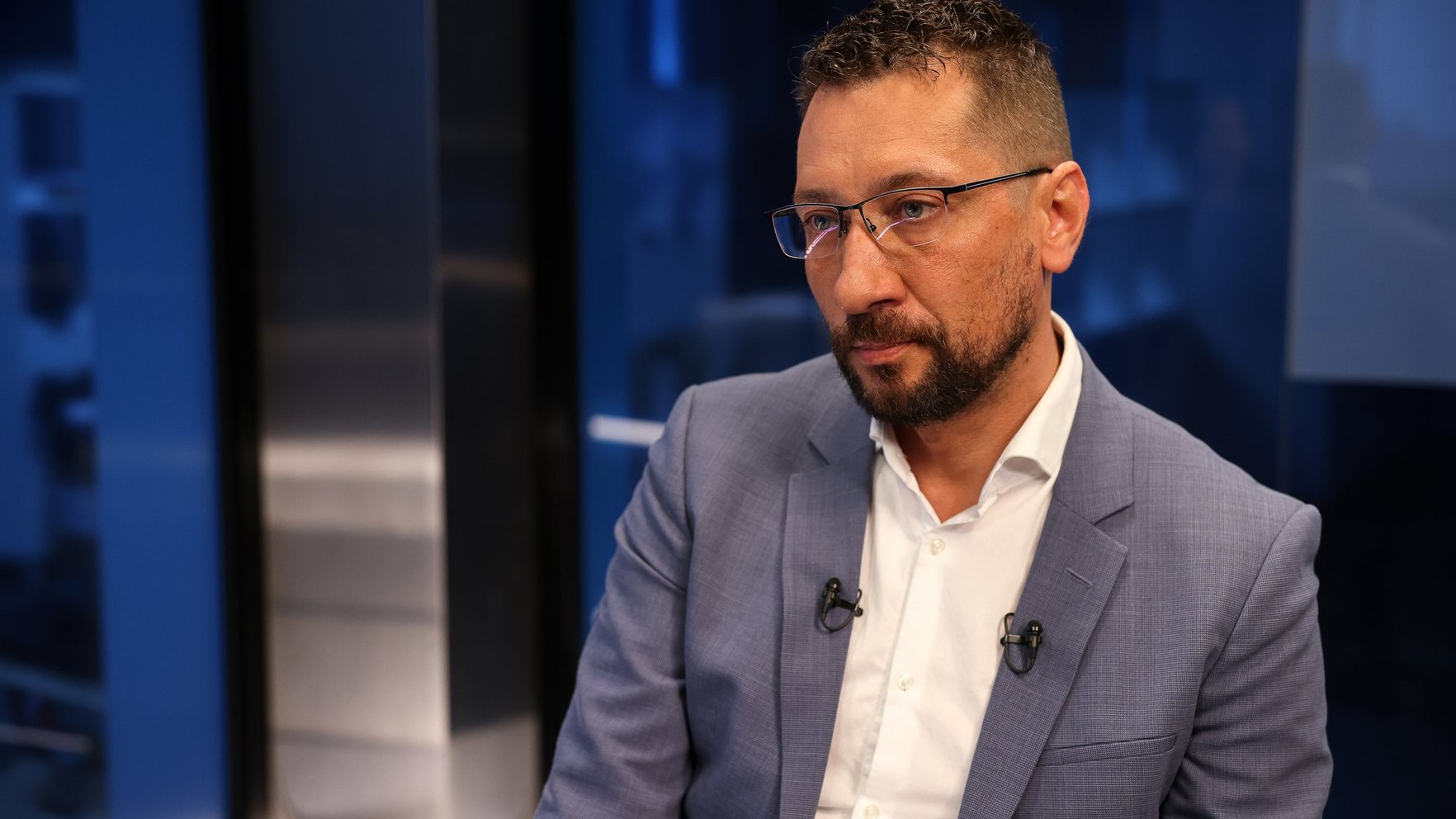
According to Ainis Dzalbs, president of the Latvian Rural Family Doctors Association, this discrepancy can be attributed to a significant deficit in health education among men. He observes that many men tend to neglect their health, often leaving the responsibility of seeking medical attention and managing well-being to their female partners. This reliance on wives or partners to 'take care of them' is a recurring theme, suggesting a cultural aspect to men's health behaviors.
We are happy if there is a woman next to us...
Dzalbs' perspective, as reported by Delfi Latvia, points to a need for targeted health promotion initiatives aimed specifically at men. The article implies that simply providing information is not enough; there needs to be a shift in mindset and a greater emphasis on personal responsibility for one's health. The 'luck' of having a supportive female partner should not be the primary factor determining a man's lifespan or health outcomes.
This issue is particularly relevant in Latvia, where societal norms may still influence how men approach health. The stark difference in life expectancy serves as a wake-up call, urging a re-evaluation of public health strategies to ensure that men are adequately educated, encouraged, and empowered to prioritize their own health. Delfi Latvia frames this not just as a statistical anomaly but as a critical public health challenge requiring urgent attention.
Men lack education, and they are lucky if they have a wife next to them who takes care of them.
DistantNews Editorial
Originally published by Delfi Latvia in Latvian. Translated, summarized, and contextualized by our editorial team with added local perspective. Read our editorial standards.
More Stories


From Our Blog

What Gets Lost (and Found) When News Is Translated

The Critical Role of Diaspora Media in Global News

What Travellers Should Know About Countries with Restricted Press

A Digital Nomad's Guide to Following Local News

How the Same Story Looks Different in Different Countries
