

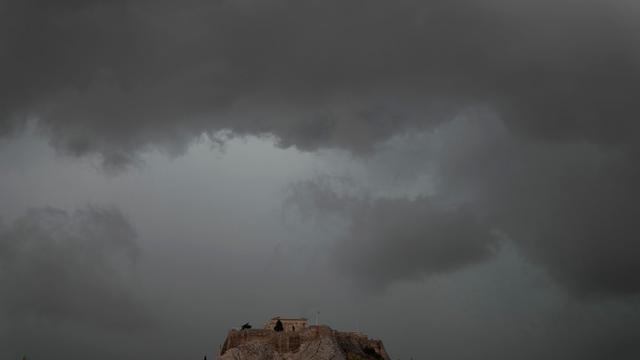
Weather: Storm and snow instead of sun – Greece freezes in May
Translated from German, summarized and contextualized by DistantNews.
TLDR
- Greece is experiencing an unusual cold snap in early May, with meteorologists describing it as a "cold air invasion" bringing winter-like conditions.
- Heavy rainfall and strong winds, including gusts up to 88 km/h in the Aegean, have been reported, with snow falling in mountainous regions across the country.
- Despite the disruption for tourists expecting summer weather, the precipitation is beneficial for agriculture after a prolonged drought, and warmer temperatures are forecast to return soon.
This report from Die Zeit, citing dpa and Greek media, focuses on the unseasonal weather gripping Greece. The tone is factual but highlights the surprising and disruptive nature of the cold spell for tourists and the unexpected benefits for the drought-stricken agricultural sector.
The article emphasizes the meteorological anomaly, quoting meteorologists who describe the event as a "cold air invasion" and noting it as the coldest start to May in decades. The details about snow in the mountains and hail near Heraklion paint a vivid picture of the widespread impact across different regions, including popular tourist destinations.
While the disruption to tourism and the unseasonable conditions are presented as the primary story, the report also includes a crucial positive aspect: the relief the rain and snow bring to agriculture. This dual impact – inconvenience for some, but vital relief for others – provides a balanced view of the situation.
The inclusion of a quote from a Norwegian tourist adds a personal touch, illustrating the stark contrast between expectations and reality for visitors. The mention of Greek news portal 'neakriti.gr' and Greek television sources lends credibility and local flavor to the report.
From a Greek perspective, such unseasonal weather events, while disruptive, are often viewed with a degree of resilience. The article captures this by noting the agricultural benefits, which would be a significant concern for the local economy. The quick forecast for returning warmth also tempers the severity of the news, suggesting this is a temporary, albeit dramatic, weather event. The framing acknowledges the inconvenience but pivots to the essential relief provided by the precipitation, a common narrative in a country reliant on both tourism and agriculture.
Es ist deutlich kälter als bei uns
DistantNews Editorial
Originally published by Die Zeit in German. Translated, summarized, and contextualized by our editorial team with added local perspective. Read our editorial standards.
More Stories



From Our Blog

What Gets Lost (and Found) When News Is Translated

How the Same Story Looks Different in Different Countries

The Critical Role of Diaspora Media in Global News

What Travellers Should Know About Countries with Restricted Press

A Digital Nomad's Guide to Following Local News
