

Weather weapons: why the atmosphere could become the next geopolitical battleground
Summarized and contextualized by DistantNews.
At a glance
News
Named sources
Context piece
- India's security establishment is concerned that China's extensive weather modification program could be used as a tool for geopolitical pressure or warfare.
- China's "Sky River" initiative aims to intercept and redirect atmospheric moisture across the Tibetan Plateau, raising concerns about downstream effects.
- With climate disasters increasing globally, the control of weather is emerging as a potential new frontier in geopolitical competition.
Concerns are mounting within India's security circles that advanced weather modification technologies could become a new arena for geopolitical conflict. The issue gained prominence following devastating floods in Assam in 2018, which triggered questions about whether neighboring China's weather programs could be leveraged for strategic advantage.
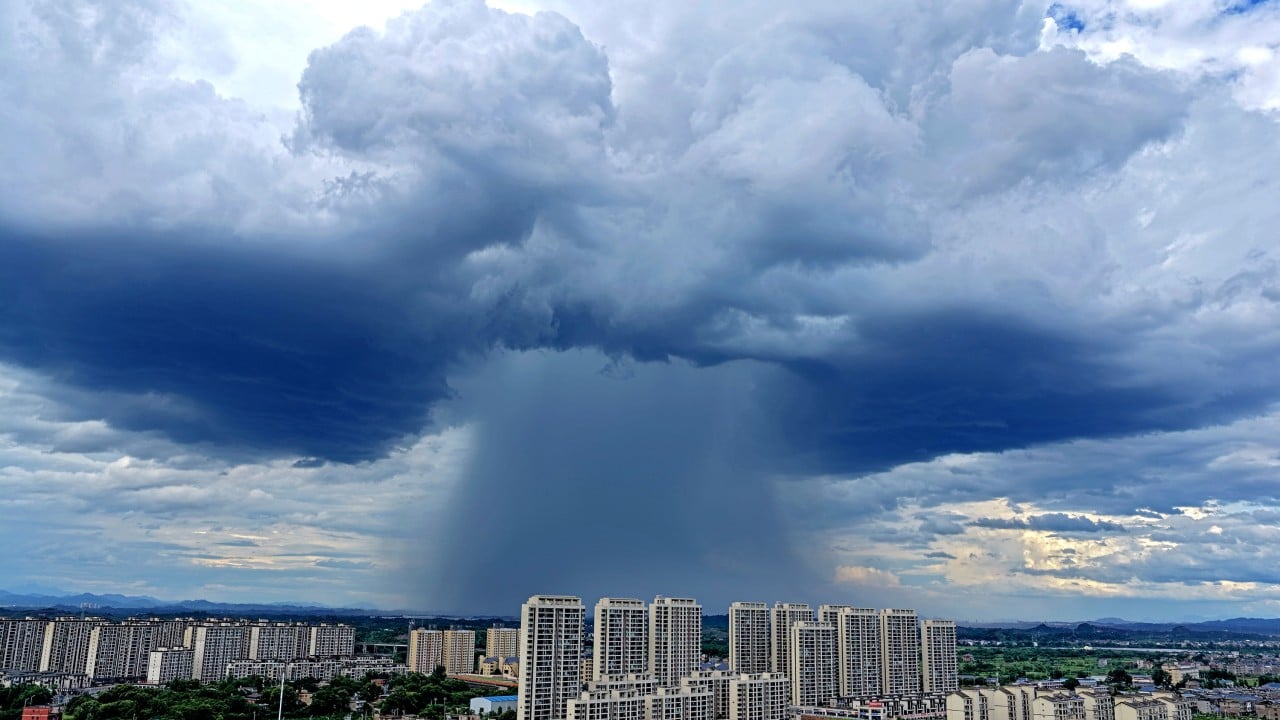
At the heart of the concern is China's "Sky River" initiative, one of the world's largest weather modification projects. Launched in 2016, the program aims to intercept and redirect atmospheric moisture originating from the Tibetan Plateau. While China intends to expand its artificial rainfall capabilities across a vast area, approximately 5.5 million square kilometers, or 1.7 times the size of India, the project has drawn criticism both domestically and internationally.
India's then-finance minister, Himanta Biswa Sarma, publicly warned about the potential ramifications of such large-scale atmospheric manipulation. He argued that India could not afford to overlook the downstream consequences, especially given the project's immense scale. This regional speculation has evolved into a significant national security concern for India.
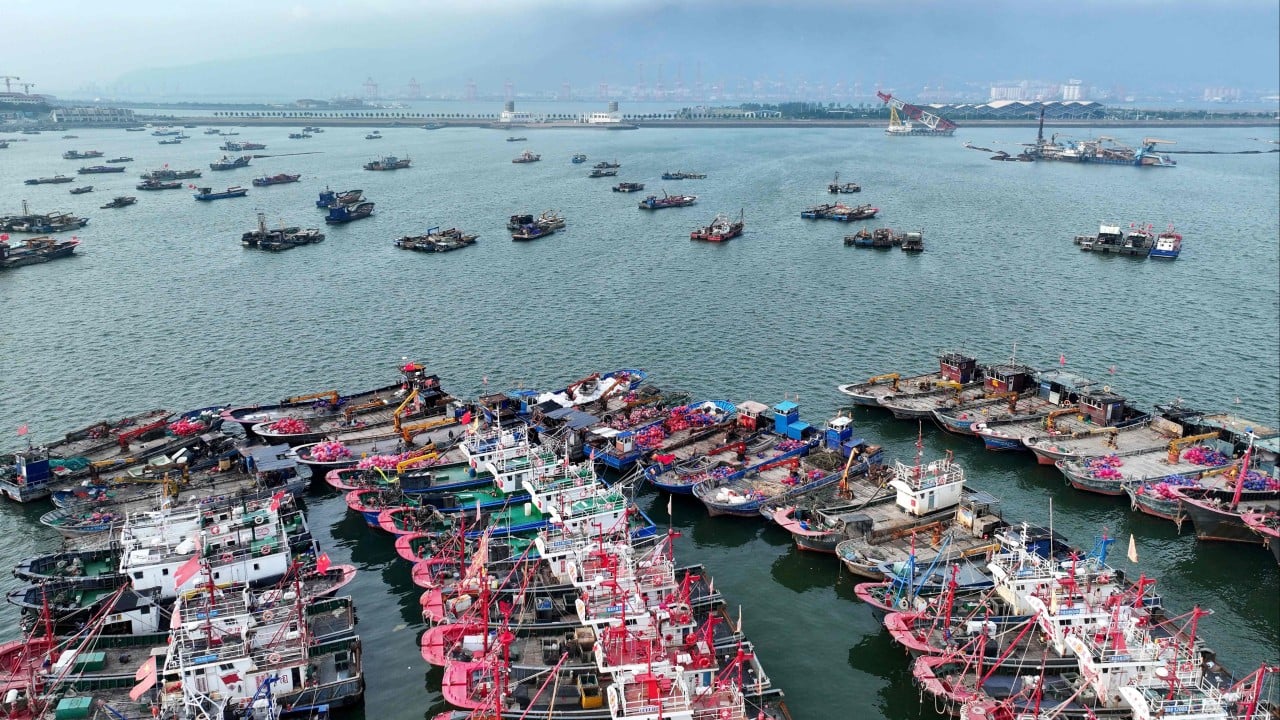
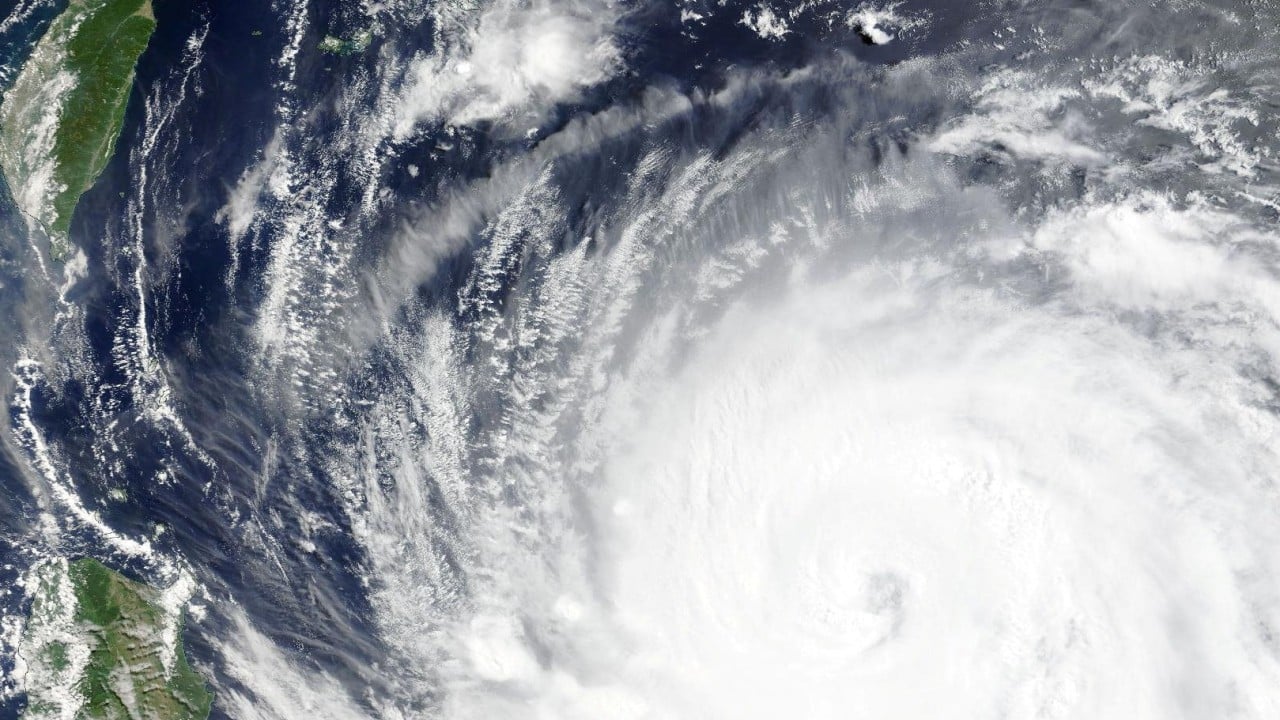
As climate-related disasters become more frequent and severe worldwide, the prospect of controlling weather patterns adds a new layer of complexity to international relations. From devastating typhoons in China to unprecedented floods in Dubai, the sky, once a symbol of climate change's impact, may soon represent a new geopolitical battleground.
If this new system is introduced, there will surely be huge ramifications.
DistantNews Editorial
Originally published by South China Morning Post. Summarized and contextualized by our editorial team with added local perspective. Read our editorial standards.
More Stories
From Our Blog

Countries Without a Free Press: What You Need to Know

What Press Freedom Means for the News You Read

What Gets Lost (and Found) When News Is Translated

The Critical Role of Diaspora Media in Global News

What Travellers Should Know About Countries with Restricted Press
