


West African Citizens Reject Military Rule, Democracy Preferred: Speaker Abbas
Translated from English, summarized and contextualized by DistantNews.
TLDR
- West African citizens reject military rule, despite recent coups, with democracy remaining the preferred system in the region.
- Speaker Tajudeen Abbas highlighted that electoral victories alone are insufficient, stressing that governance outcomes like security, economic stability, and fairness are crucial for citizens' trust.
- Abbas urged the ECOWAS Parliament to address underlying governance challenges that create openings for political instability and unconstitutional changes of government.
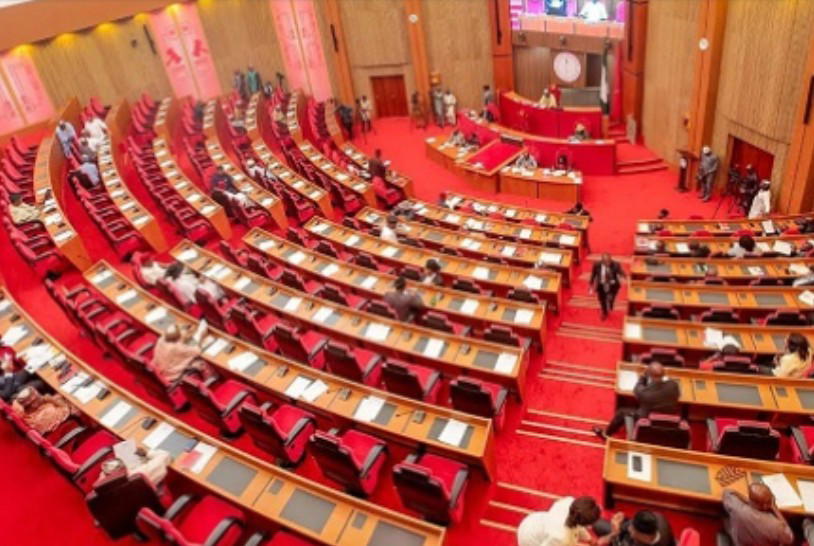
The recent ECOWAS Parliament session in Abuja, attended by leaders from across West Africa, underscored a critical juncture for the region's democratic trajectory. Speaker Tajudeen Abbas's address directly confronted the troubling trend of military takeovers, asserting that the desire for democracy remains strong among the populace.
The issue is not whether democracy remains the preferred system of governance. Evidence across the region continues to show that citizens reject military rule.
Abbas's argument that citizens reject military rule is a vital counter-narrative to the perceived instability caused by coups in Mali, Guinea, Burkina Faso, and Niger. He emphasized that these disruptions stem from deeper governance deficits rather than an inherent rejection of democratic principles. This perspective resonates with many in Nigeria, where the commitment to democratic ideals is paramount, and the specter of military intervention is a historical concern.
The Speaker's call for 'governance outcomes' to match 'electoral legitimacy' is particularly salient. In Nigeria and across West Africa, citizens increasingly evaluate their governments not just on election promises but on tangible improvements in security, economic well-being, and equitable administration. When these fundamental needs are unmet, the space for political instability and anti-democratic forces widens, as Abbas rightly pointed out.
Electoral legitimacy must be matched by governance outcomes.
This discussion within the ECOWAS Parliament is crucial for shaping regional policy. It signals a shift towards demanding accountability from elected officials and addressing the root causes of discontent. The Nigerian perspective, as represented by Speaker Abbas, champions a robust, responsive, and inclusive democracy that delivers for its people, thereby preempting the conditions that allow for unconstitutional power grabs. The focus is on strengthening democratic institutions and ensuring they serve the public interest effectively.
security, economic stability and fairness in public administration are no longer aspirational goals; they are the basis on which citizens evaluate the state’s credibility. Where these are absent, the space for disruption expands.
DistantNews Editorial
Originally published by The Punch in English. Translated, summarized, and contextualized by our editorial team with added local perspective. Read our editorial standards.
More Stories


From Our Blog

How the Same Story Looks Different in Different Countries

What Gets Lost (and Found) When News Is Translated

The Critical Role of Diaspora Media in Global News

What Travellers Should Know About Countries with Restricted Press

A Digital Nomad's Guide to Following Local News
