

West Asia conflict pushes oil prices above $90 per barrel
Translated from Malay, summarized and contextualized by DistantNews.
At a glance
News
Named sources
Context piece
- Global crude oil prices surpassed $90 per barrel due to rising geopolitical tensions in West Asia.
- Concerns over potential supply disruptions, particularly through the Strait of Hormuz, are driving the price increase.
- Higher oil prices are expected to pressure inflation in Malaysia, affecting transportation, logistics, and consumer costs.
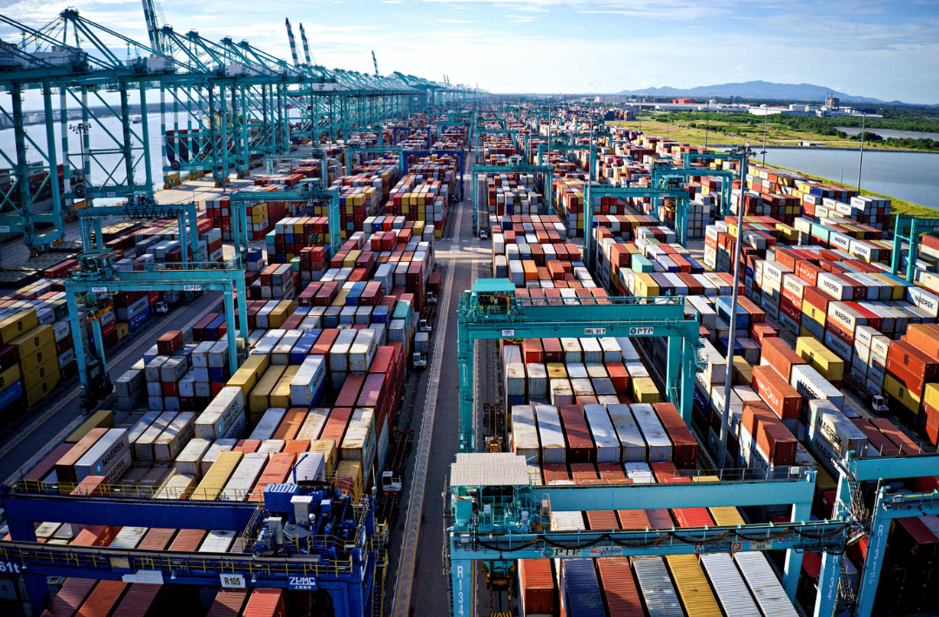
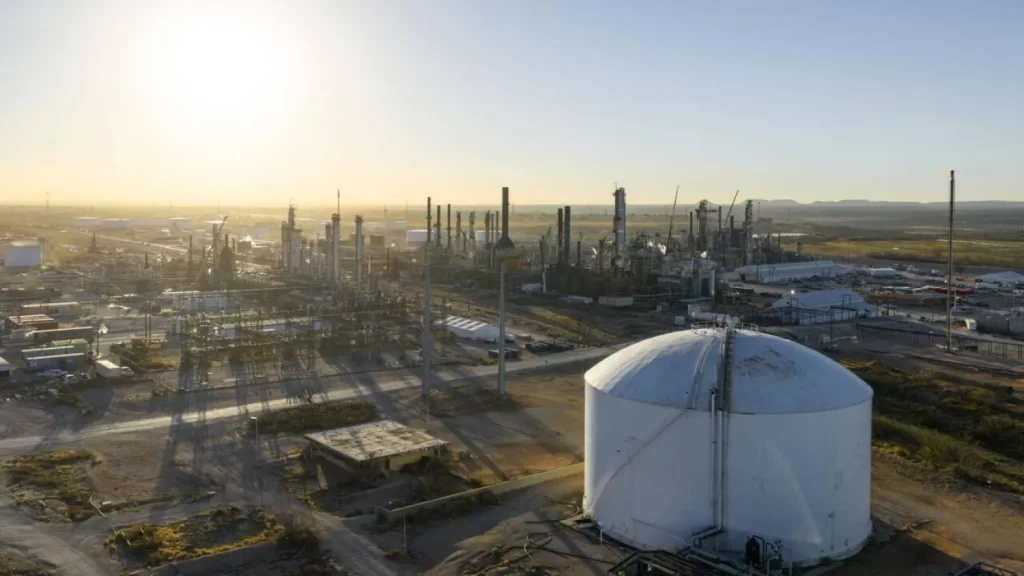
Global crude oil prices have surged past $90 per barrel, driven by escalating geopolitical tensions in West Asia. This price hike reflects growing market anxieties about potential disruptions to global supply chains, particularly concerning oil production facilities, merchant shipping, and strategic transit routes like the Strait of Hormuz.
Dr. Paul Anthony Maria Das, a senior lecturer at Taylor's University, noted that while oil supplies have not yet been fully impacted, the anticipation of worsening conflict is sufficient to drive up international market prices. The Strait of Hormuz, a critical chokepoint for global oil shipments, remains a focal point. Any disruption there could significantly affect supply from Gulf nations, even if the strait isn't fully closed, as increased insurance, security, and shipping operational costs would inevitably raise oil prices.
In Malaysia, the rise in oil prices is anticipated to fuel inflation. Increased costs for transportation, logistics, and production are expected, potentially impacting the broader economy. While fuel subsidies may cushion some of the impact on consumers, inflation could become more widespread if global oil prices continue to climb. The cost of living for citizens is also likely to be affected, with rising prices for food, transport, and various services disproportionately impacting low and middle-income households by reducing their purchasing power.
On the capital markets, rising oil prices typically benefit the oil and gas sector due to stronger earnings prospects. Conversely, the aviation, logistics, transportation, manufacturing, and consumer goods sectors are expected to face pressure from increased operating costs and potential demand reduction. Prof. Emeritus Barjoyai Bardai of UNIRAZAK added that the surge reflects heightened market concerns over global supply security, with geopolitical risks now being the primary driver of price movements over fundamental demand and supply factors.
DistantNews Editorial
Originally published by Utusan Malaysia in Malay. Translated, summarized, and contextualized by our editorial team with added local perspective. Read our editorial standards.
More Stories



From Our Blog

What Gets Lost (and Found) When News Is Translated

The Critical Role of Diaspora Media in Global News

What Travellers Should Know About Countries with Restricted Press

A Digital Nomad's Guide to Following Local News

How the Same Story Looks Different in Different Countries
