


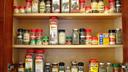
What's needed in emergency supplies? The EU has issued recommendations, and every household should prepare these items.
Translated from Croatian, summarized and contextualized by DistantNews.
TLDR
- The European Union is recommending that households prepare basic supplies for at least 72 hours of self-sufficiency in case of emergencies.
- Experts advise gradually building reserves by regularly purchasing items already in use, rather than making large, one-time purchases.
- Essential supplies include water, non-perishable food, battery-powered lights and radios, and cash, with consideration for specific household needs like children or pets.
The European Union is stepping up its calls for citizens to be better prepared for emergencies, ranging from natural disasters to supply chain disruptions. A new strategy from the European Commission emphasizes that every household should have essential supplies to last at least 72 hours. This isn't about expecting the worst, but about responsible planning.
Experts stress that crises don't have to be extreme. Severe weather, power outages, or water supply interruptions can quickly make daily life difficult. In such scenarios, shops might close, ATMs could fail, and access to information might be limited. Civil protection specialists warn that people often underestimate how quickly our reliance systems can fail. A power outage, for instance, immediately impacts lighting, cooking, internet, and even water supply in some buildings.
Instead of panic buying, the focus is on thoughtful preparation of necessities. The core of this preparation involves water and food. Recommendations include 1.5 to 2 liters of water per person daily, and long-lasting foods that don't require cooking, such as canned goods, grains, nuts, or dried fruit. Additionally, having light sources like battery-powered flashlights, a battery or hand-crank radio for information, and some cash is useful. The key message from European institutions is clear: preparing for emergencies means responsible planning, not anticipating disaster. In moments when systems fail, basic supplies can make the difference between panic and calm navigation through the initial days of a crisis.
DistantNews Editorial
Originally published by Večernji List in Croatian. Translated, summarized, and contextualized by our editorial team with added local perspective. Read our editorial standards.
More Stories



From Our Blog

What Gets Lost (and Found) When News Is Translated

The Critical Role of Diaspora Media in Global News

What Travellers Should Know About Countries with Restricted Press

A Digital Nomad's Guide to Following Local News

How the Same Story Looks Different in Different Countries
