

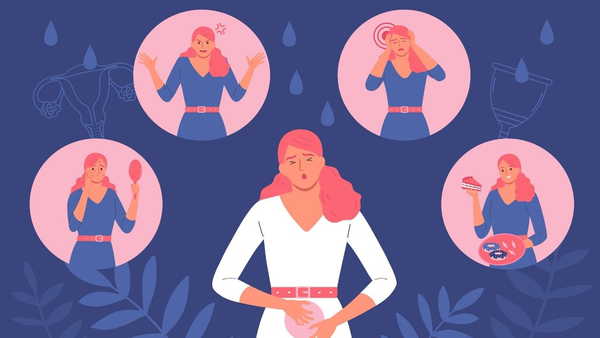
Why Do We Feel Hungrier During Our Period? Here's a Nutrition Guide Specific to Your Cycle
Translated from Turkish, summarized and contextualized by DistantNews.
TLDR
- Experts explain why women feel hungrier during their menstrual cycle and offer dietary strategies to manage PMS symptoms, pain, and fatigue.
- During the luteal phase, metabolism increases, leading to hunger, which can be managed with whole grains and protein, and cravings can be addressed with dark chocolate and fruits.
- During menstruation, hydration, omega-3, zinc, and iron are crucial for managing cramps, fatigue, and blood loss, while avoiding excessive sugar and caffeine is advised.
Cumhuriyet, a prominent Turkish publication, delves into the common experience of increased hunger during menstruation, offering a detailed guide to navigating dietary needs throughout the menstrual cycle. The article, drawing on insights from expert dietitians Ro Huntriss and Anjanee Kohli, frames this biological process not just as a hormonal shift but as a period with distinct nutritional requirements. The tone is informative and empowering, aiming to equip women with knowledge to improve their quality of life by aligning their diet with their cycle's phases.
Many women wonder why they feel hungrier during their period and how to cope with excessive sweet and salty cravings. Experts state that small changes in diet can alleviate PMS symptoms, pain, and fatigue.
From a Turkish perspective, understanding and managing bodily cycles is often integrated into a holistic approach to well-being. This article resonates with a cultural context that values traditional knowledge while embracing scientific insights. It highlights how small, actionable dietary changes can significantly alleviate common discomforts, such as cramps and fatigue, which are often normalized but can be debilitating. The emphasis on natural remedies like dark chocolate for cravings and the importance of hydration and specific nutrients like iron and omega-3 reflects a preference for accessible, food-based solutions.
In this phase, which begins after ovulation, the metabolic rate temporarily increases and the body starts burning more calories. This returns as 'hunger crises'.
Furthermore, the article addresses the psychological aspect, acknowledging that mood fluctuations can lead to cravings for unhealthy 'reward' foods. By providing healthier alternatives and explaining the physiological impact of sugar and caffeine, Cumhuriyet empowers readers to make informed choices. The concluding advice to consult a doctor for severe pain or irregular cycles underscores a responsible approach to health, encouraging proactive medical consultation when necessary. This comprehensive advice positions the publication as a trusted source for women's health information within Turkey.
Studies show that fruit consumption reduces the severity of PMS (Premenstrual Syndrome).
DistantNews Editorial
Originally published by Cumhuriyet in Turkish. Translated, summarized, and contextualized by our editorial team with added local perspective. Read our editorial standards.
More Stories

From Our Blog

What Gets Lost (and Found) When News Is Translated

The Critical Role of Diaspora Media in Global News

What Travellers Should Know About Countries with Restricted Press

A Digital Nomad's Guide to Following Local News

How the Same Story Looks Different in Different Countries
