


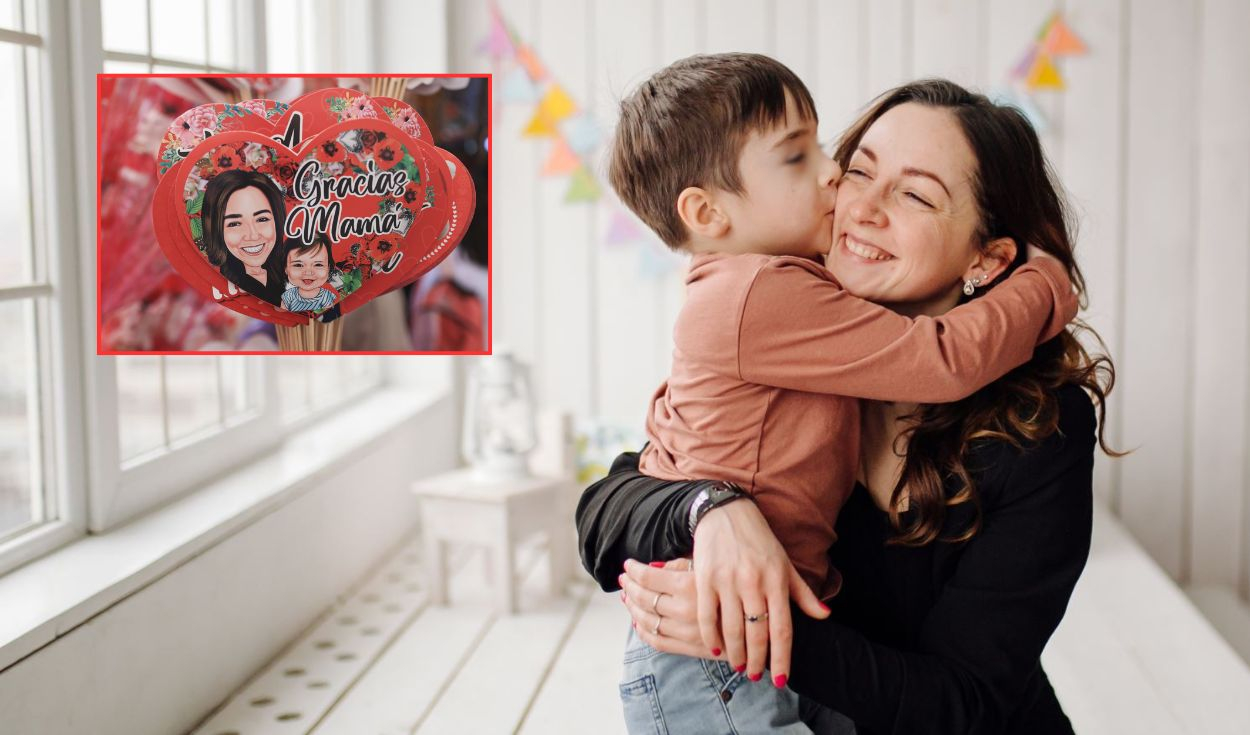
Why Peru Celebrates Mother's Day on the Second Sunday of May: Uncover the History of This Celebration
Translated from Spanish, summarized and contextualized by DistantNews.
TLDR
- Peru officially established Mother's Day on April 12, 1924, following a proposal by students from the National University of San Marcos.
- The date, the second Sunday in May, aligns with the United States' observance, influenced by activist Anna Jarvis.
- The holiday honors mothers' dedication and efforts in raising children, recognizing their diverse roles beyond traditional stereotypes.
In Peru, Mother's Day is more than just a commercial holiday; it's a deeply ingrained tradition officially recognized nearly a century ago. The date, the second Sunday in May, was chosen to align with the United States' observance, a reflection of the significant cultural influence North America held in Latin America during the early 20th century. The initiative, spearheaded by students from the prestigious National University of San Marcos in 1924, aimed to formally acknowledge the crucial role mothers play in Peruvian society.
El Día de la Madre es una festividad celebrada en diversos países del mundo con el fin de homenajear la dedicación, el amor y el esfuerzo de las madres en el cuidado y la educación de sus hijos.
This day is dedicated to celebrating the love, dedication, and hard work mothers invest in their children's upbringing. Importantly, the modern understanding of Mother's Day in Peru emphasizes honoring mothers without reinforcing restrictive gender stereotypes. It acknowledges the multifaceted lives of mothers who often juggle domestic responsibilities, careers, and educational pursuits.
En Perú, esta tradición se oficializó el 12 de abril de 1924 a través de la Resolución Suprema N.º 677, durante el gobierno de Augusto B. Leguía.
While the global celebration of Mother's Day has roots in ancient traditions honoring fertility and maternal figures, its modern iteration in Peru, like in many other nations, was shaped by social movements and the desire to create a specific day of recognition. The official decree by President Augusto B. Leguía solidified this sentiment, making it a national observance. For Peruvians, it remains a cherished occasion for expressing gratitude and affection, often marked by family gatherings and gifts, underscoring the enduring importance of the maternal bond.
La iniciativa fue propuesta por un grupo de estudiantes de la Universidad Nacional Mayor de San Marcos (UNMSM), quienes sugirieron instaurar este día para reconocer el rol fundamental de la madre en la sociedad peruana.
DistantNews Editorial
Originally published by La República in Spanish. Translated, summarized, and contextualized by our editorial team with added local perspective. Read our editorial standards.
More Stories

From Our Blog

What Gets Lost (and Found) When News Is Translated

The Critical Role of Diaspora Media in Global News

What Travellers Should Know About Countries with Restricted Press

A Digital Nomad's Guide to Following Local News

How the Same Story Looks Different in Different Countries
