


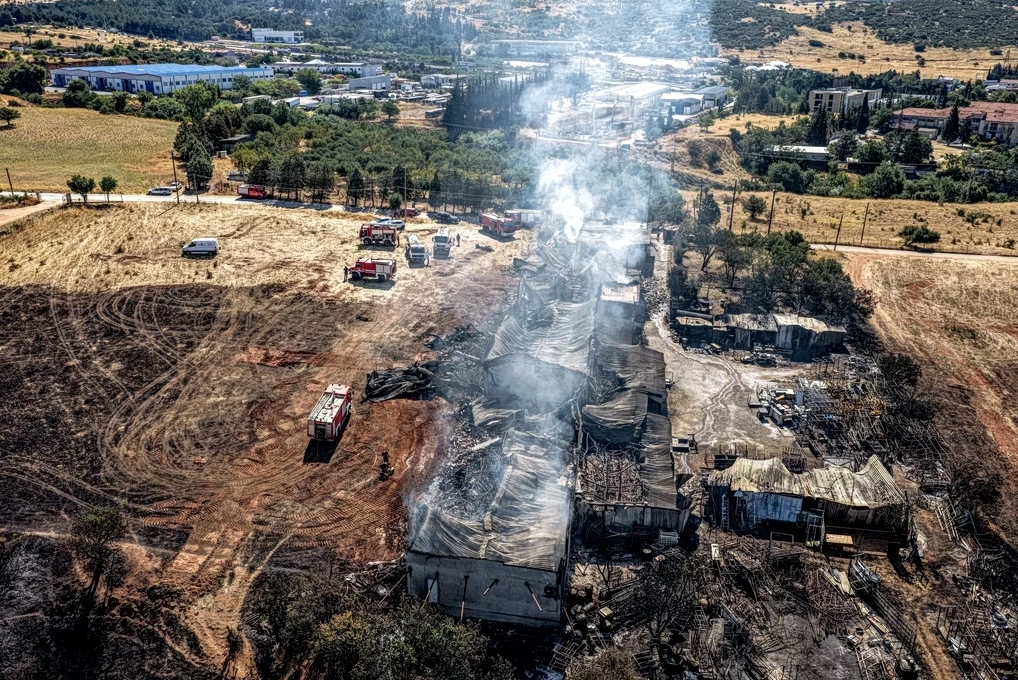
Why Recycling Plants Catch Fire: How They Become 'Powder Kegs' and Safety Gaps in Fire Protection
Translated from Greek, summarized and contextualized by DistantNews.
At a glance
News
Sources not specified
Under investigation
- Fires at recycling plants are becoming a recurring problem, posing significant challenges for firefighters due to the large quantities of combustible materials.
- These incidents raise serious questions about fire safety protocols and regulations within the recycling industry.
- Investigations are underway to understand the causes and prevent future occurrences of fires at these facilities.
Fires at recycling plants are proving exceptionally difficult to extinguish, even with rapid response from fire services. The sheer volume of materials within these facilities fuels the flames, creating a constant risk of reignition. Recent blazes at recycling plants are no longer isolated incidents but part of a disturbing trend that prompts serious questions about fire prevention measures and regulatory gaps.
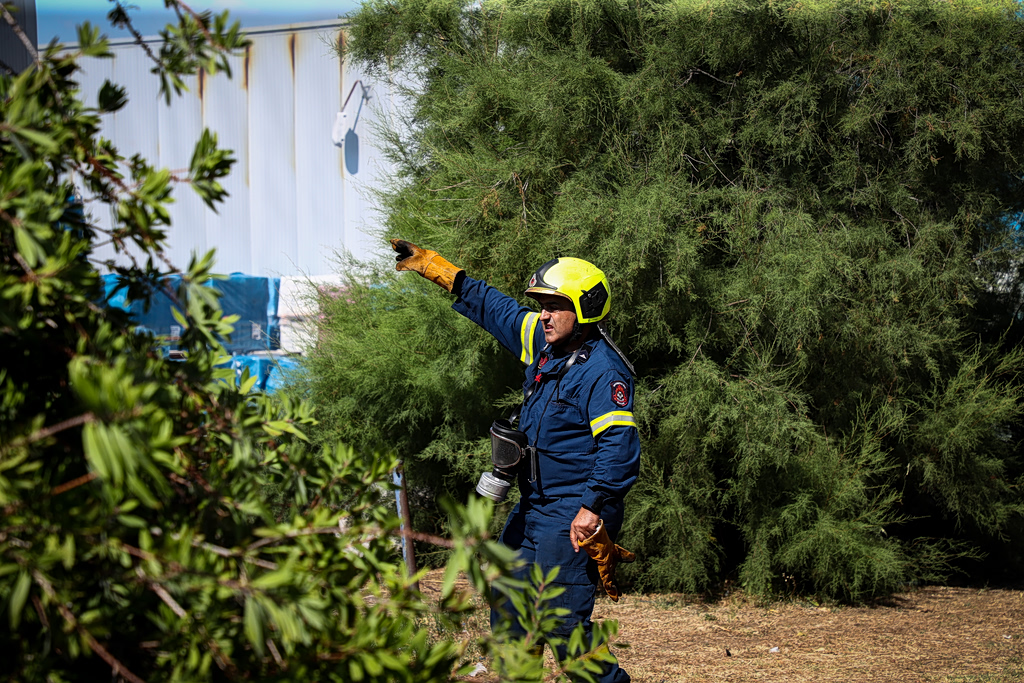
Firefighting operations have been particularly demanding. Despite the immediate mobilization of fire brigades in recent days, the large quantities of materials present continuously fed the flames. This created a persistent danger of flare-ups, complicating efforts to bring the fires under control. The nature of recycling materials, often a mix of plastics, paper, and other potentially flammable substances, contributes to the intensity and duration of these fires.
The recurring nature of these fires has sparked concern and highlighted potential shortcomings in the existing fire safety framework. Authorities are now scrutinizing the conditions under which these plants operate, seeking to identify systemic issues that may be contributing to the problem. The focus is on understanding how these facilities, designed for recycling, can become such significant fire hazards, often described as "powder kegs."
Investigations are ongoing to determine the precise causes of these fires and to assess the adequacy of current fire protection regulations. The aim is to implement stricter measures and ensure that recycling facilities are equipped and operated in a manner that minimizes the risk of such dangerous incidents, protecting both property and potentially lives.
DistantNews Editorial
Originally published by Ta Nea in Greek. Translated, summarized, and contextualized by our editorial team with added local perspective. Read our editorial standards.
More Stories


From Our Blog

What Gets Lost (and Found) When News Is Translated

The Critical Role of Diaspora Media in Global News

What Travellers Should Know About Countries with Restricted Press

A Digital Nomad's Guide to Following Local News

How the Same Story Looks Different in Different Countries
