

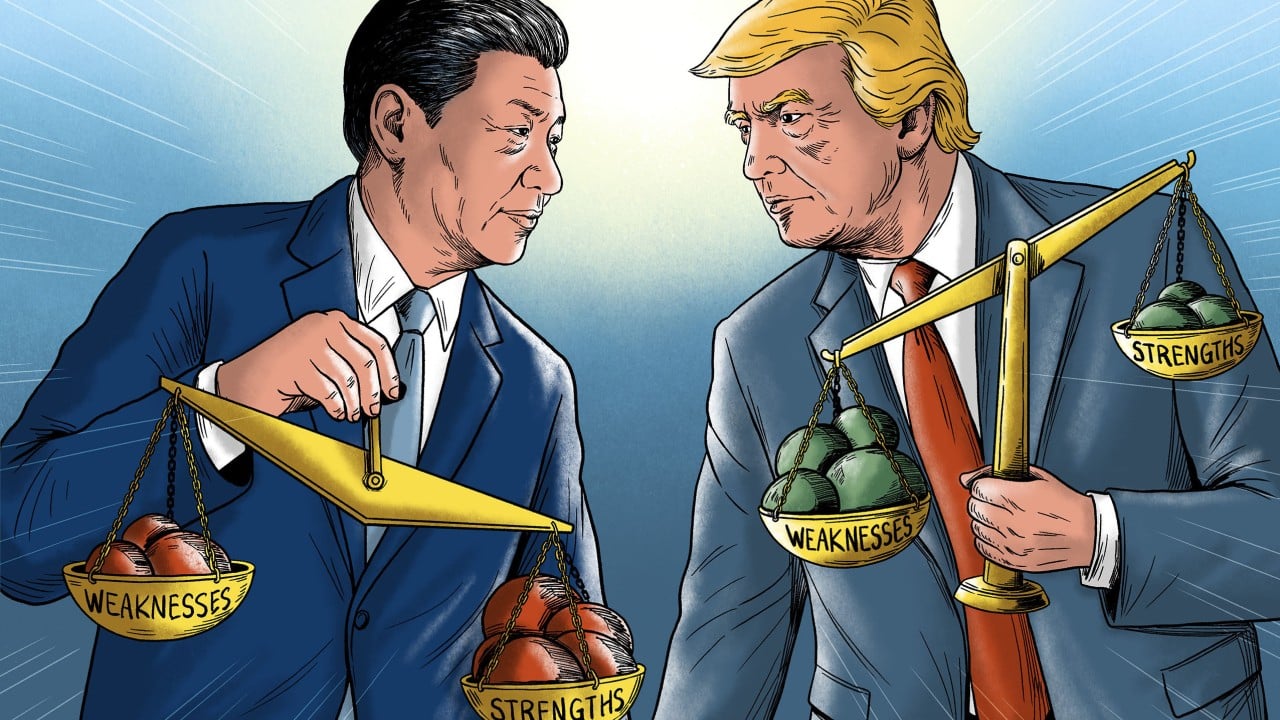

With the US, China must choose constructive power over destruction
Summarized and contextualized by DistantNews.
TLDR
- The article argues that China must choose constructive global engagement over destructive actions, particularly concerning Taiwan and its relationship with Iran.
- It posits that unchecked aggression leads to wider conflicts and chaos, citing examples like Russia's invasion of Ukraine and the collapses in Libya and Afghanistan.
- China's economic prosperity depends on global stability, which requires accommodation with the US, and aligning with nations that thrive on chaos would undermine its credibility.
The relationship between the United States and China is at a critical juncture, and the path forward hinges on Beijing's choice between constructive global power and destructive adventurism. As highlighted in this analysis, history offers stark lessons: unchecked aggression breeds wider wars, and the toppling of governments without establishing new authority invites chaos. The ongoing conflict in Ukraine, Iran's destabilizing influence in the Middle East, and the chaotic aftermaths in Libya and Afghanistan serve as potent reminders of these consequences.
China's remarkable economic ascent, which has lifted millions out of poverty and reshaped global trade, is undeniable. However, its intense focus on Taiwan, while perhaps understandable from Beijing's perspective, risks a narrow vision that overlooks its fundamental dependence on a stable global trading system. This system, in turn, requires accommodation with the United States, regardless of perceived American assertiveness.
Foreign affairs are not a series of disconnected episodes. They are a test of whether nations learn from history and act with foresight.
The case of Iran exemplifies this delicate balance. While China has not actively aided Tehran in prolonging conflict, its pushback against U.S. sanctions on Iranian oil presents a potential pitfall. Direct support for Iran's actions would entangle China in the very destructive behavior it has thus far avoided. The world needs China to be a constructive force, a partner in stability, not a spoiler exacerbating global crises.
From the perspective of the South China Morning Post, this is not merely an abstract foreign policy debate; it is about safeguarding China's own long-term prosperity and its standing as a responsible global actor. Beijing's credibility is on the line. Associating with nations like Iran, whose partnerships with Russia have fueled humanitarian disasters across the region, would severely undermine China's image. The veto of a UN Security Council resolution aimed at enhancing security in the Strait of Hormuz, as seen in the accompanying photo, is a visible manifestation of these complex geopolitical dynamics. The core message is clear: China's continued growth and influence depend on its ability to navigate these challenges with foresight and a commitment to global stability, rather than succumbing to the allure of destructive power.
China’s permanent representative to the United Nations, Fu Cong, vetoes a UN Security Council draft resolution aiming to boost security in the Strait of Hormuz at the UN headquarters in New York on April 7.
DistantNews Editorial
Originally published by South China Morning Post. Summarized and contextualized by our editorial team with added local perspective. Read our editorial standards.
More Stories
From Our Blog

Countries Without a Free Press: What You Need to Know

What Press Freedom Means for the News You Read

What Gets Lost (and Found) When News Is Translated

The Critical Role of Diaspora Media in Global News

What Travellers Should Know About Countries with Restricted Press
