


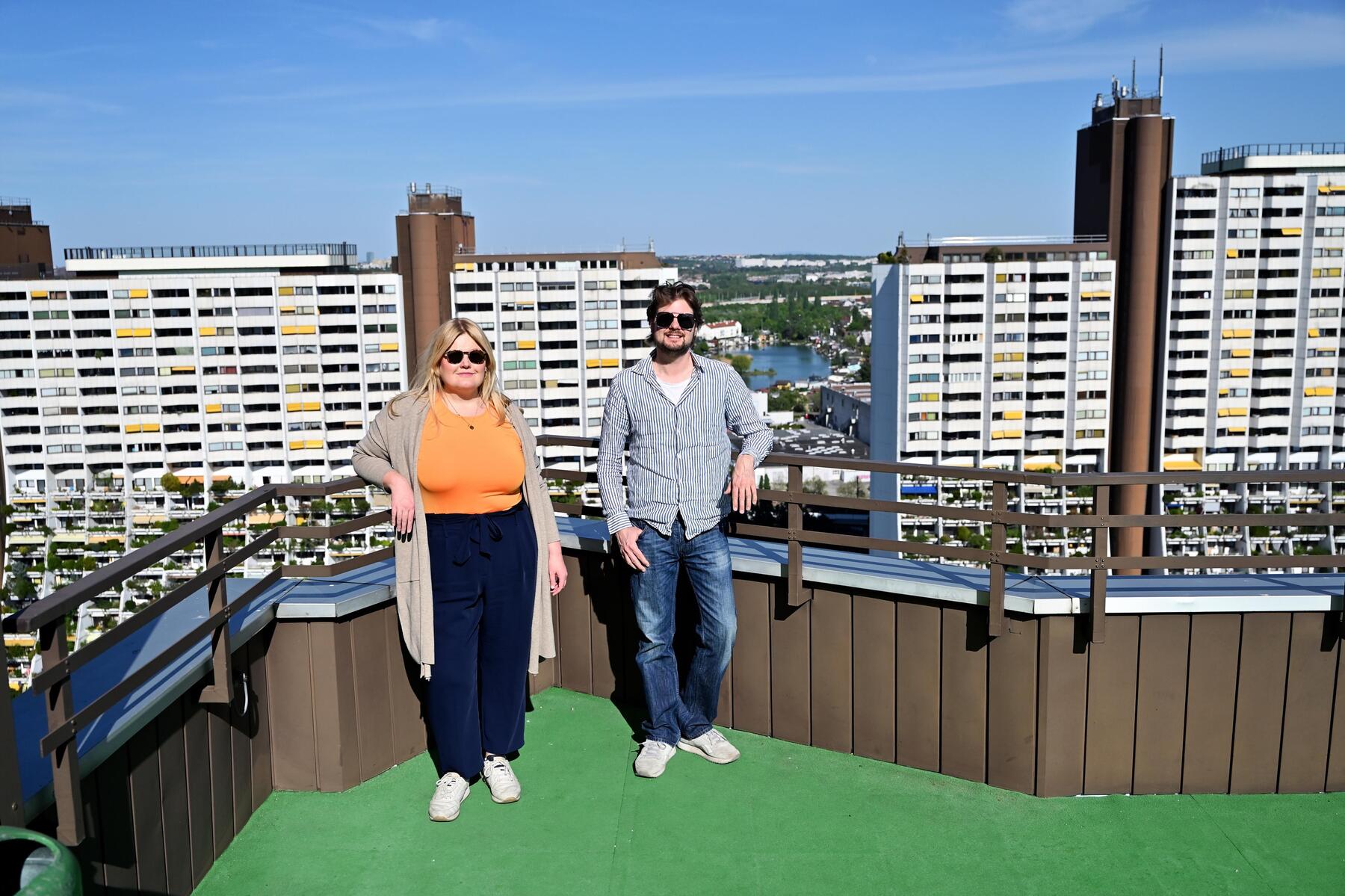
Wohnpark Alterlaa: Why Vienna's Most Famous Housing Project Is So Popular – And Facing Change
Translated from German, summarized and contextualized by DistantNews.
TLDR
- Vienna's Wohnpark Alterlaa, a large housing complex built 50 years ago, is highly popular among its residents despite external skepticism.
- The complex, designed by architect Harry Glück, features unique elements like rooftop pools, communal spaces, and integrated green areas, contributing to high resident satisfaction.
- A recent study and resident testimonials highlight the ongoing appeal of Alterlaa's amenities and community, suggesting its utopian living concept remains successful.
From the perspective of Die Presse, an Austrian publication known for its in-depth analysis of societal and urban issues, Wohnpark Alterlaa represents a fascinating case study in urban living and architectural utopia. The article delves into the "Mythos Alterlaa," exploring the stark contrast between the often dismissive view held by those outside the complex and the profound satisfaction experienced by its thousands of residents. This dichotomy is central to understanding Alterlaa's enduring appeal, challenging preconceived notions about large-scale housing projects.
Am Anfang hat es mich wirklich irritiert, dass man Menschen einfach im Bademantel im Aufzug trifft
The architectural vision of Harry Glück, who conceived Alterlaa as "stacked single-family homes," is presented as a key factor in its success. The integration of amenities such as rooftop swimming pools, saunas, communal rooms, and even a shopping center, alongside the unique feature of green spaces extending onto balconies, creates an environment where residents can fulfill many daily needs without leaving the complex. This self-contained ecosystem fosters a strong sense of community and convenience, which residents like Livia Gruber and Peter Frankenstein explicitly value, citing the proximity to nature and the quieter atmosphere compared to the city center.
Wir sind in die Wohnung hineingekommen, haben die Aussicht gesehen und gewusst, die ist es
While Alterlaa's distinctive 1970s facade might evoke skepticism from some, the persistent high satisfaction rates, confirmed by studies and resident interviews, speak volumes. The article suggests that the 'utopia of living in a small space' that Glück envisioned has indeed materialized for many. As the complex approaches its next 50 years, the discussion shifts to whether this unique model of communal living and architectural innovation can continue to meet the evolving needs of its residents and maintain its status as a beloved, albeit unconventional, Viennese landmark. The local perspective emphasizes that Alterlaa is more than just a building; it's a thriving community that defies external judgment.
Laufen Springen verboten
DistantNews Editorial
Originally published by Die Presse in German. Translated, summarized, and contextualized by our editorial team with added local perspective. Read our editorial standards.
More Stories


From Our Blog

What Gets Lost (and Found) When News Is Translated

The Critical Role of Diaspora Media in Global News

What Travellers Should Know About Countries with Restricted Press

A Digital Nomad's Guide to Following Local News

How the Same Story Looks Different in Different Countries
