


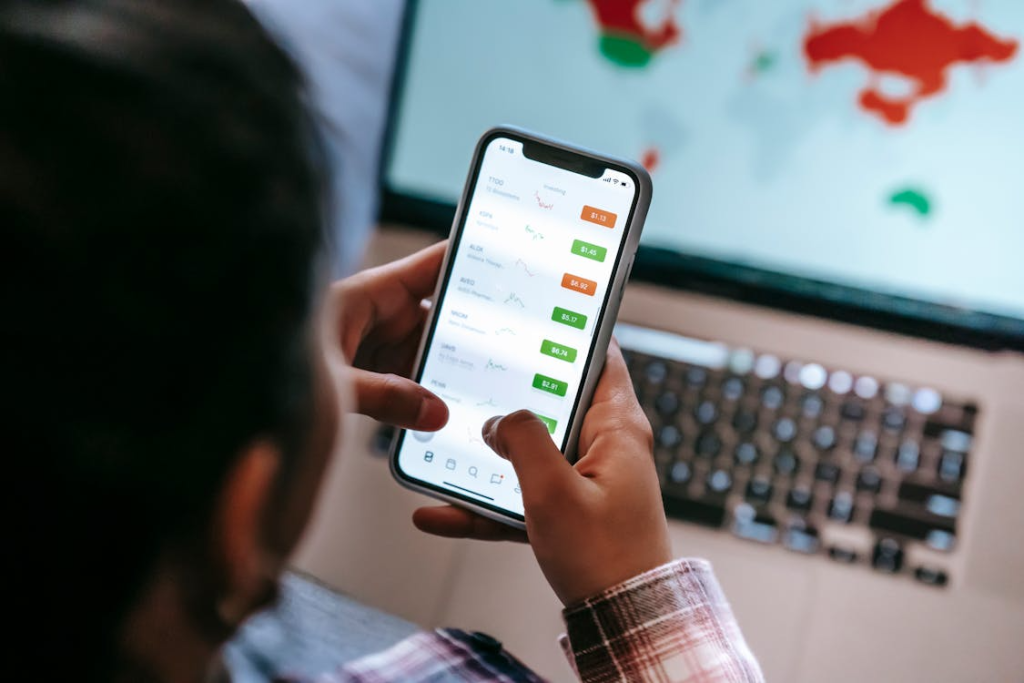
Your Online Data: Bought, Sold, and Traded Without Your Knowledge
Translated from English, summarized and contextualized by DistantNews.
TLDR
- A vast, invisible economy thrives on the buying and selling of personal online data.
- Data brokers collect and build detailed profiles from public records and purchase histories, selling sensitive information to marketing and insurance companies.
- This data trading has real-world consequences, potentially leading to higher insurance premiums or denied credit offers.
In Nigeria, the digital landscape is increasingly revealing its hidden underbelly, with a significant economy built on the exploitation of personal data.
These companies scrape public records and buy up our purchase histories to build incredibly detailed profiles on millions of people.
The Vanguard has consistently highlighted the growing concerns around digital privacy and the pervasive nature of online tracking. Our reporting has shown how seemingly innocuous online activities, from accepting cookies to downloading free apps, contribute to a vast network of data collection.
If you want to see how deep this goes, look at the work of the Cybernews experts.
Data brokers, the central players in this shadowy market, meticulously compile detailed profiles of individuals by scraping public records and purchasing transaction histories. This information, encompassing sensitive details about income, health, and purchasing habits, is then sold to third parties, including marketing firms and insurance companies.
They track your location and phone usage long after you close them.
The implications of this unchecked data trade are profound. As explored in our coverage, individuals may face increased insurance premiums or even be denied financial services based on profiles constructed from their online behavior, often without their knowledge or consent. This underscores the urgent need for greater transparency and robust data protection measures in Nigeria's digital sphere.
If data brokers categorize you as having a risky lifestyle or underlying health issues based on your search history, you could potentially face higher insurance premiums.
DistantNews Editorial
Originally published by Vanguard in English. Translated, summarized, and contextualized by our editorial team with added local perspective. Read our editorial standards.
More Stories


From Our Blog

How the Same Story Looks Different in Different Countries

What Gets Lost (and Found) When News Is Translated

The Critical Role of Diaspora Media in Global News

What Travellers Should Know About Countries with Restricted Press

A Digital Nomad's Guide to Following Local News
