


Access to Medical Services: How Much in Reality vs. On Paper? What the Elderly Say. CJAS Director: 'They Prefer to Work in Private'
Translated from Romanian, summarized and contextualized by DistantNews.
TLDR
- Elderly citizens in Olt County, Romania, are facing challenges accessing public healthcare services, despite a comprehensive package of services theoretically available.
- Issues such as long waiting lists, insufficient budgets, and a shortage of doctors, particularly family physicians nearing retirement age, contribute to difficulties in accessing care.
- Many elderly individuals reportedly prefer to seek medical treatment in the private sector due to these systemic problems within the public healthcare system.
Access to healthcare services in Romania remains a pressing concern, particularly for the elderly population in Olt County. While the official package of medical services, from family doctors to home care, appears robust on paper, the reality on the ground paints a different picture. Long waiting lists, inadequate funding, and a dwindling number of healthcare professionals create significant barriers for patients seeking timely and effective treatment within the public system.
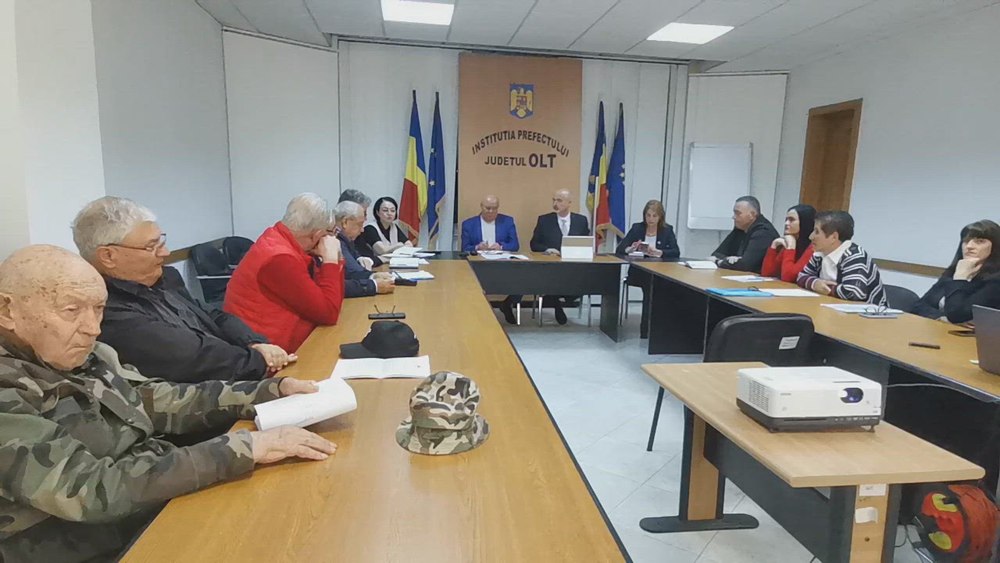
Representatives from various pensioner associations in Olt County recently convened with the Director of the County House of Health Insurance (CJAS), Sorina Oancea, to voice their concerns. The discussion highlighted that although the list of services financed by CJAS is extensive, many are conditional, often requiring patients to navigate complex procedures or face lengthy delays. The primary point of contact, the family doctor, is crucial, yet the county faces a critical shortage, with approximately 70% of family physicians either nearing or past the legal retirement age of 70.
Legiuitorul a venit și a dat dreptul să se poată desfășura activitate până la 70 de ani, tocmai pentru că la nivel de țară, nu de Olt, este un deficit pe medicina de familie.
This demographic challenge poses a significant threat to the continuity of primary care services in the coming years. Oancea acknowledged the dedication of physicians continuing to work beyond retirement age, a measure implemented due to a national deficit in family medicine. However, the underlying issue of attracting younger doctors to the field remains unresolved. The situation is exacerbated by the fact that many patients, frustrated by the limitations of the public system, opt for private healthcare, incurring out-of-pocket expenses.
The preference for private healthcare among the elderly is a stark indicator of the systemic issues plaguing the public sector. While the law permits doctors to practice until age 70, the lack of new practitioners entering the field means that the burden on the existing, aging workforce is immense. This creates a dichotomy where services are theoretically available but practically inaccessible for many, forcing them to seek alternatives that may not be financially feasible. The situation in Olt County reflects a broader challenge within Romania's healthcare infrastructure, demanding urgent attention to ensure equitable access for all citizens, especially the most vulnerable.
Dar când vorbim de medicina de familie trebuie să vorbim de la Rezidențiat. (...) Suntem mulțumiți și fericiți dacă v
DistantNews Editorial
Originally published by Adevărul in Romanian. Translated, summarized, and contextualized by our editorial team with added local perspective. Read our editorial standards.
More Stories

From Our Blog

What Gets Lost (and Found) When News Is Translated

The Critical Role of Diaspora Media in Global News

What Travellers Should Know About Countries with Restricted Press

A Digital Nomad's Guide to Following Local News

How the Same Story Looks Different in Different Countries
