

America Builds AI, China Uses It: The Implementation Gap That Could Define the Future
Translated from English, summarized and contextualized by DistantNews.
TLDR
- The US leads in AI research and private investment, with over $109 billion invested in 2024, significantly more than China.
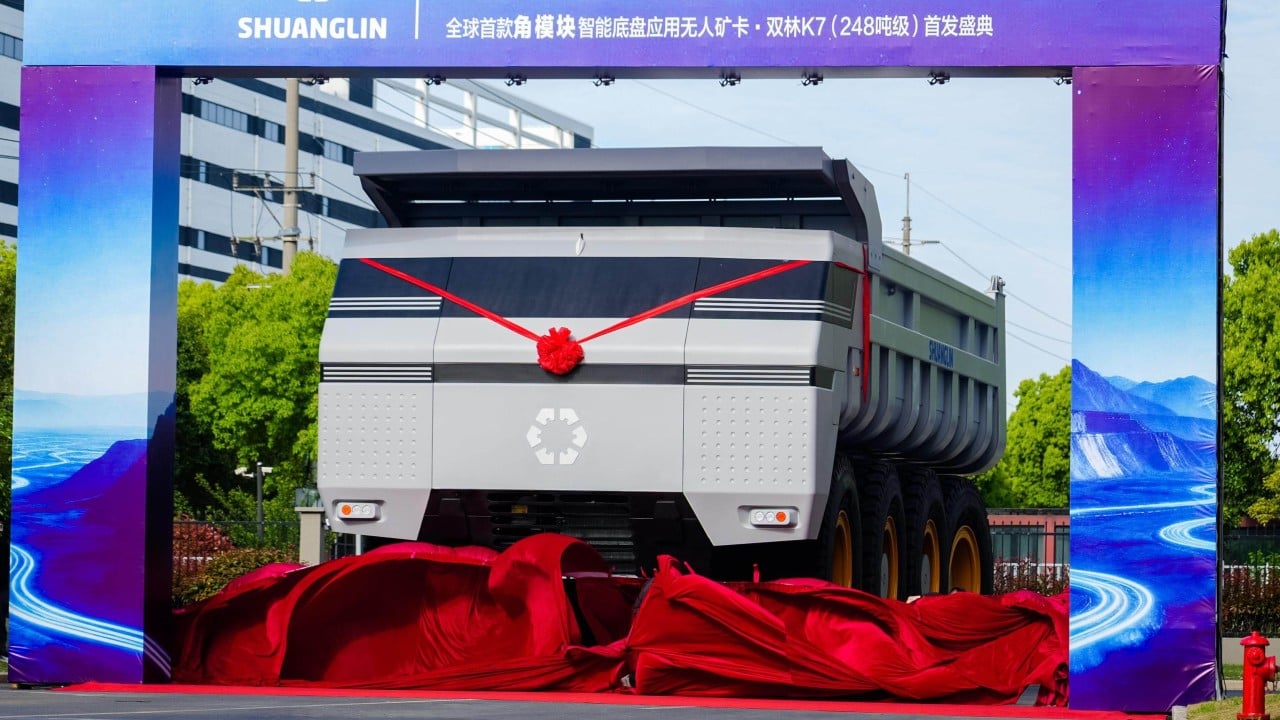
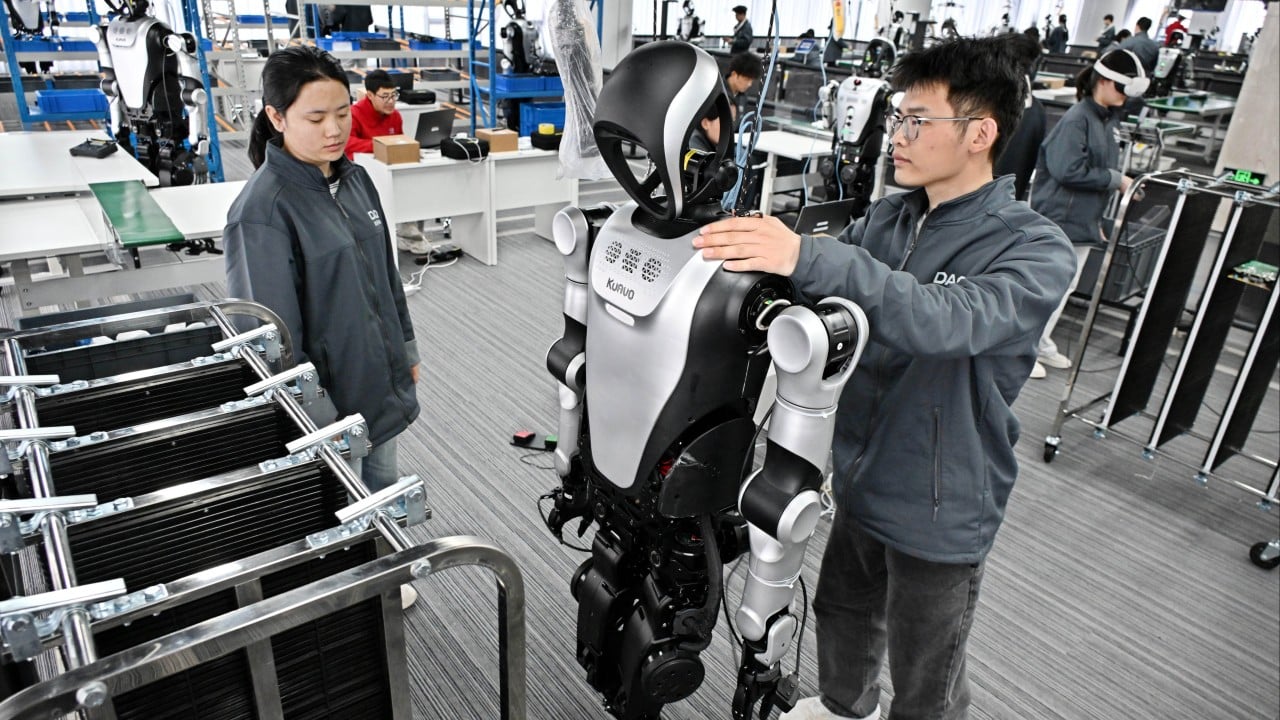
- China, however, is rapidly adopting and integrating AI across industries by reorganizing systems around the technology, boasting over 600 million generative AI users.
- While the US excels at building AI, China's decisive implementation and systemic integration of AI tools, particularly in logistics, may give it a strategic advantage.
The narrative of the global AI race often centers on American innovation and investment, and indeed, the United States continues to lead in AI research and attract substantial private funding. With over $109 billion poured into AI in 2024, the US maintains a clear advantage in technological development. This dominance in creation, however, may be overlooking a crucial shift in how AI's true value is being realized.
While American companies grapple with integrating advanced AI into legacy systems, often resulting in incremental improvements, China is demonstrating a more profound approach. By not just adopting AI tools but fundamentally reorganizing entire industries around them, China is unlocking systemic change. This is evident across sectors like healthcare and logistics, where AI is not merely an add-on but a core component of operations, supported by a massive user base of over 600 million generative AI users.
This divergence highlights a critical difference in implementation strategy. The US, with its focus on foundational research and development, is building the engine. China, meanwhile, is driving the car, integrating AI into the fabric of its economy and society at an unprecedented scale. This approach, reminiscent of the transformative impact of electrification in manufacturing, suggests that the future of AI may be decided not just by who builds the best technology, but by who most effectively deploys it to reshape industries and daily life. From a Chinese perspective, this isn't just about technological parity; it's about leveraging innovation for tangible, widespread societal and economic advancement.
DistantNews Editorial
Originally published by South China Morning Post in English. Translated, summarized, and contextualized by our editorial team with added local perspective. Read our editorial standards.
More Stories
From Our Blog

Countries Without a Free Press: What You Need to Know

What Press Freedom Means for the News You Read

What Gets Lost (and Found) When News Is Translated

The Critical Role of Diaspora Media in Global News

What Travellers Should Know About Countries with Restricted Press
