

🇬🇷
Greece
Apostolos Gletsos: On the incident with Stratos Tzortzoglou's tears – 'Self-humiliation of television'
Translated from Greek, summarized and contextualized by DistantNews.
TLDR
- Actor Apostolos Gletsos criticized a television incident involving Stratos Tzortzoglou, calling it self-humiliation.
- Gletsos commented on his own age, his relationship with Izabela Arvaniti, and how sensitive topics are handled by entertainment shows.
- He emphasized that reconciliation requires mutual effort and sincerity from both parties.
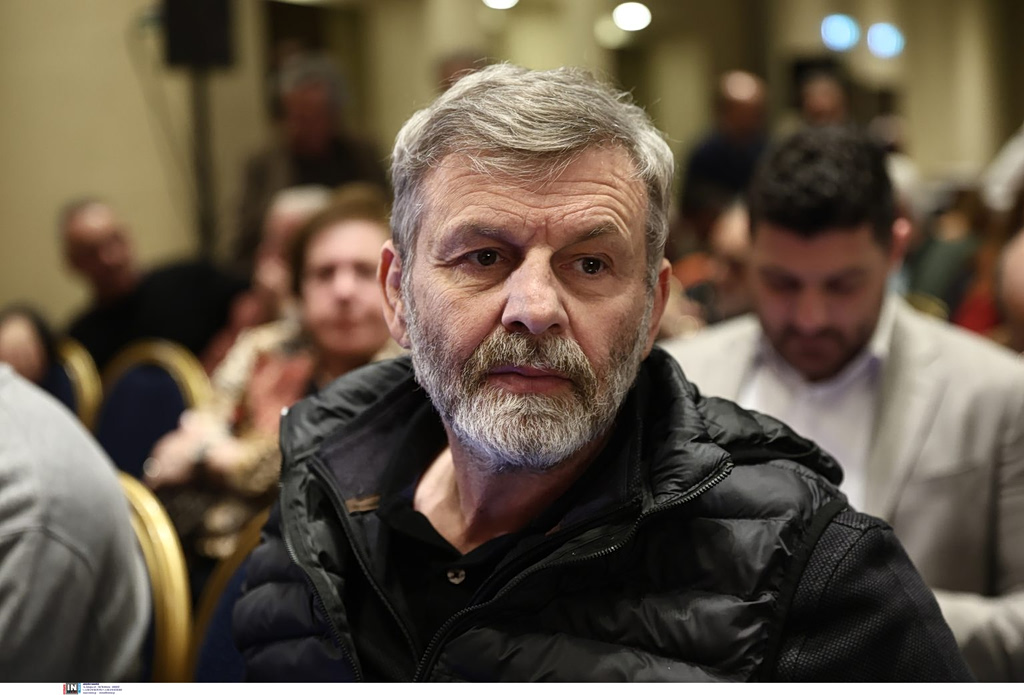
Apostolos Gletsos, a prominent figure in Greek entertainment, did not hold back his criticism regarding a recent television segment featuring actor Stratos Tzortzoglou. Speaking on the OPEN channel's "Rantevou to SK" program, Gletsos described the incident, which involved Tzortzoglou becoming emotional after seeing photos of his ex-partner, as a "self-humiliation of television" and a "shame for all of us."
This is self-humiliation of television. He is a wounded child. He is in a state of pain and you do this to him? Shame on us. Not on him who does it. On all of us.
From the perspective of Ta Nea, a respected Greek newspaper, Gletsos's commentary highlights a broader concern within the Greek media landscape. He pointed to Tzortzoglou as a "wounded child" going through a difficult time, suggesting that entertainment programs often exploit sensitive personal issues for ratings. This critique resonates with a local audience that values discretion and respect, especially when dealing with personal struggles.
Gletsos also touched upon his personal life, addressing his age and his relationship with Izabela Arvaniti. He spoke candidly about the challenges of aging but found solace in improved self-perception, which he believes positively impacts relationships. His views on reconciliation, emphasizing the need for mutual effort and seriousness, offer a grounded perspective on relationships, contrasting with the often sensationalized portrayals seen on television.
Reconciliation can certainly happen, but it takes effort. It requires seriousness from both people and they need to fight for it.
His remarks about jealousy in relationships, attributing the lack thereof to his sincerity, further underscore a desire for authenticity. Gletsos's willingness to speak openly about these matters, while simultaneously condemning the exploitation of others' pain, positions him as a voice of reason and integrity within the Greek entertainment industry. This story, as reported by Ta Nea, reflects a local conversation about media ethics and the personal lives of public figures.
I have not received jealousy from my partners because of my profession, because I think I am sincere and they understand my sincerity. And I mean what I say.
DistantNews Editorial
Originally published by Ta Nea in Greek. Translated, summarized, and contextualized by our editorial team with added local perspective. Read our editorial standards.
More Stories

From Our Blog

What Gets Lost (and Found) When News Is Translated

The Critical Role of Diaspora Media in Global News

What Travellers Should Know About Countries with Restricted Press

A Digital Nomad's Guide to Following Local News

How the Same Story Looks Different in Different Countries
