

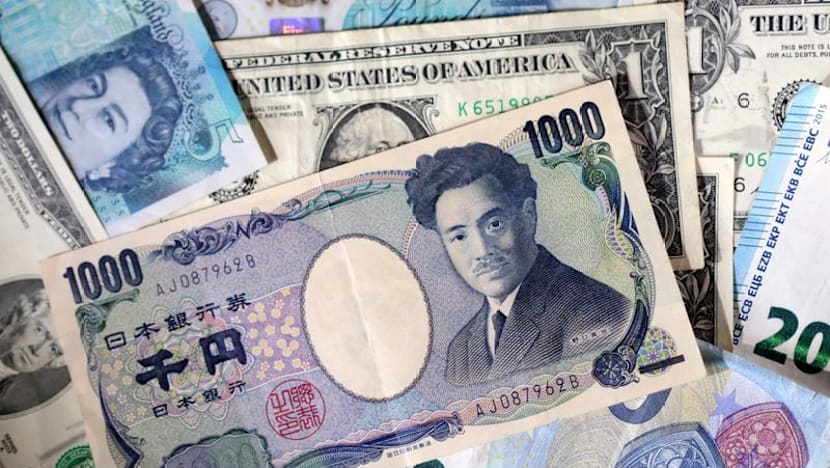

ASEAN economic ministers say Middle East war could significantly slow regional growth
Summarized and contextualized by DistantNews.
TLDR
- ASEAN economic ministers expressed deep concern over the Middle East war's impact on global energy security and regional growth.
- Disruptions to maritime routes like the Strait of Hormuz pose severe risks to energy supply and fuel price volatility.
- Rising energy and transport costs are cascading into food systems, increasing the cost of living across the region.
ASEAN economic ministers have sounded the alarm over the escalating threat posed by the Middle East war to the region's economic stability. In a joint statement released on May 1, the ministers highlighted the growing risks to global energy security and warned that the conflict could significantly impede regional growth. This sentiment, echoed by the ASEAN Economic Community Council, underscores the interconnectedness of global events and their direct impact on Southeast Asia.
The ministers specifically pointed to the disruptions in key maritime routes, such as the Strait of Hormuz, through which a substantial portion of global oil and liquefied natural gas (LNG) exports pass, with a significant volume destined for Asia. The resulting volatility in oil and LNG prices, coupled with sharply increasing freight, insurance, and logistics costs, presents a formidable challenge to the region's economies. This situation is particularly concerning given the reliance of many ASEAN nations on imported energy resources.
Furthermore, the economic fallout extends beyond energy prices, cascading into food systems. The ministers noted that rising energy and transport costs are leading to higher fertilizer prices and potential disruptions in supply chains, directly impacting food security. This exacerbates the already rising cost of living across the region, disproportionately affecting low-income households and small businesses. In response, ASEAN ministers reaffirmed their commitment to avoiding unnecessary trade barriers, particularly for food and energy, and to keeping essential trade infrastructure open. The bloc is also exploring regional oil stockpiling and deepening coordination with international financial institutions to bolster economic resilience.
We expressed deep concern that the current disruptions to key maritime routes, particularly the Strait of Hormuz, where around one-quarter of global seaborne oil and liquefied natural gas exports pass through, with over 80 per cent destined for Asia, are posing severe risks to global energy security, fuelling persistent volatility in oil and LNG prices, and sharply increasing freight, insurance, and logistics costs.
DistantNews Editorial
Originally published by The Straits Times. Summarized and contextualized by our editorial team with added local perspective. Read our editorial standards.
More Stories


From Our Blog

What Gets Lost (and Found) When News Is Translated

The Critical Role of Diaspora Media in Global News

What Travellers Should Know About Countries with Restricted Press

A Digital Nomad's Guide to Following Local News

How the Same Story Looks Different in Different Countries
