


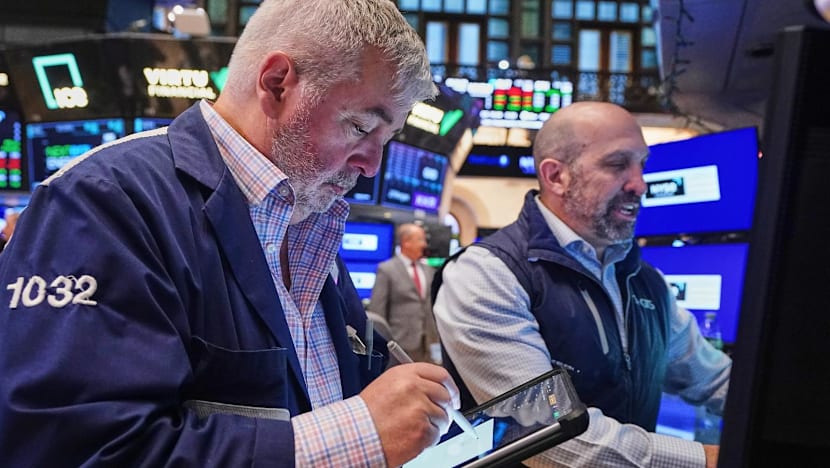
S&P 500 and Nasdaq End at Records, Logging Best Month Since 2020
Translated from English, summarized and contextualized by DistantNews.
TLDR
- The S&P 500 and Nasdaq Composite indices closed at record highs on Thursday, April 30, 2026.
- Both indices achieved their best monthly performance since 2020, driven by strong corporate earnings and resilient US economic growth.
- The US economy grew at a 2.0 percent annual rate in the first quarter, boosted by artificial intelligence investments despite cooling consumer spending.
Wall Street's major indices, the S&P 500 and Nasdaq Composite, have reached new all-time highs, marking their most significant monthly gains since late 2020. This surge is attributed to a potent combination of robust corporate earnings reports and surprisingly resilient US economic growth, defying earlier concerns about a potential slowdown.
Analysts point to strong corporate profits as a key driver, with many companies exceeding expectations in their earnings releases. Furthermore, recent GDP data indicates the US economy expanded at a 2.0 percent annual rate in the first quarter. While consumer spending has moderated, significant investments in artificial intelligence have provided a substantial boost, fueling optimism among investors.
A lot of that comes down to corporate profits.
Despite the positive momentum, caution is advised regarding the path ahead. Rising energy prices, exacerbated by geopolitical tensions in the Middle East, could introduce volatility. The article also notes the divergent performance of tech giants Meta and Alphabet following their earnings reports, highlighting the market's sensitivity to company-specific news, particularly concerning artificial intelligence investments.
We have also an economy, looking at the GDP data, that continues to defy fears of a near-term slowdown, so it is kind of that combination that is propelling stocks to all-time highs.
DistantNews Editorial
Originally published by CNA in English. Translated, summarized, and contextualized by our editorial team with added local perspective. Read our editorial standards.
More Stories



From Our Blog

What Gets Lost (and Found) When News Is Translated

The Critical Role of Diaspora Media in Global News

What Travellers Should Know About Countries with Restricted Press

A Digital Nomad's Guide to Following Local News

How the Same Story Looks Different in Different Countries
