


ASEAN Urged to Form Supply Chain Task Force to Aid SMEs
Translated from Malay, summarized and contextualized by DistantNews.
TLDR
- ASEAN is urged to establish a supply chain task force to assist small and medium enterprises (SMEs) navigate global trade disruptions.
- The task force, proposed by CARI ASEAN, would use global mapping and game theory to anticipate future disruptions.
- Geopolitical conflicts and the rapid rise of artificial intelligence are identified as significant challenges impacting regional economies and job markets.
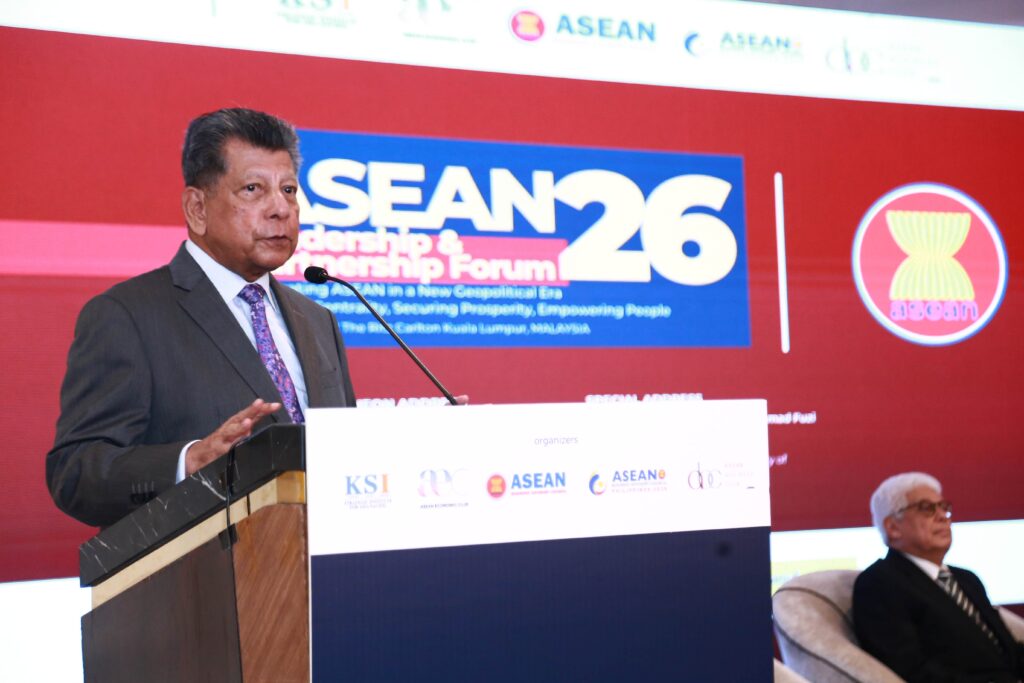
In the face of escalating global trade uncertainties, a pressing call has been made for ASEAN to bolster its support for small and medium enterprises (SMEs). Tan Sri Dr. Munir Majid, Chairman of CARI ASEAN Research and Advocacy, emphasizes the critical need for a dedicated supply chain task force, to be housed within the ASEAN Secretariat. This initiative, he argues, is vital for equipping SMEs with the tools and foresight to manage the increasingly complex landscape of global commerce.
Dr. Majid envisions this task force as more than just a reactive body; it should be a proactive intelligence hub. Equipped with comprehensive global product and shipping maps, and leveraging the strategic insights of game theory, the task force could anticipate potential disruptions before they cripple businesses. "We cannot just react after something happens," he stated, underscoring the need for preemptive strategies to guide SMEs on optimal production locations, necessary outputs, and strategic partnerships.
We cannot just react after something happens. This task force will help SMEs, in particular, to understand where they should produce products, what they should produce, and with whom they should cooperate.
The urgency is amplified by current geopolitical tensions, such as the conflict involving Iran, which is expected to significantly impact global economies through price pressures and agricultural supply chain disruptions, particularly concerning urea. Furthermore, the specter of food security looms, necessitating a clear identification of reliable food exporters among member states. Lessons from the COVID-19 pandemic, where regional cooperation on vaccine procurement faltered, serve as a stark reminder of the weaknesses that must not be repeated.
Beyond immediate supply chain concerns, the region must also grapple with the transformative power of artificial intelligence. The rapid advancement of AI presents new challenges to the labor market, demanding readiness from all stakeholders to navigate potential workforce shifts. As ASEAN navigates this new geopolitical era, maintaining its centrality and prosperity requires adaptive strategies that empower its people and businesses, a perspective that CARI ASEAN champions to ensure the region's continued resilience and growth.
This is an emergency. Recalling the experience of the COVID-19 pandemic, the lack of regional cooperation in bulk vaccine procurement was a major weakness that should not be repeated.
DistantNews Editorial
Originally published by Utusan Malaysia in Malay. Translated, summarized, and contextualized by our editorial team with added local perspective. Read our editorial standards.
More Stories

From Our Blog

What Gets Lost (and Found) When News Is Translated

The Critical Role of Diaspora Media in Global News

What Travellers Should Know About Countries with Restricted Press

A Digital Nomad's Guide to Following Local News

How the Same Story Looks Different in Different Countries
