


Asia Listens as China Warns Against Military Blocs Amid US-Philippine Drills
Translated from English, summarized and contextualized by DistantNews.
TLDR
- The recent Balikatan military exercises between the US and the Philippines included participation from Japan, Australia, Canada, France, and New Zealand.
- Drills were conducted near sensitive areas like the South China Sea and Taiwan, involving advanced military systems.
- China criticized the exercises, warning against regional division and confrontation, a concern that resonates with many Asian nations wary of bloc politics.
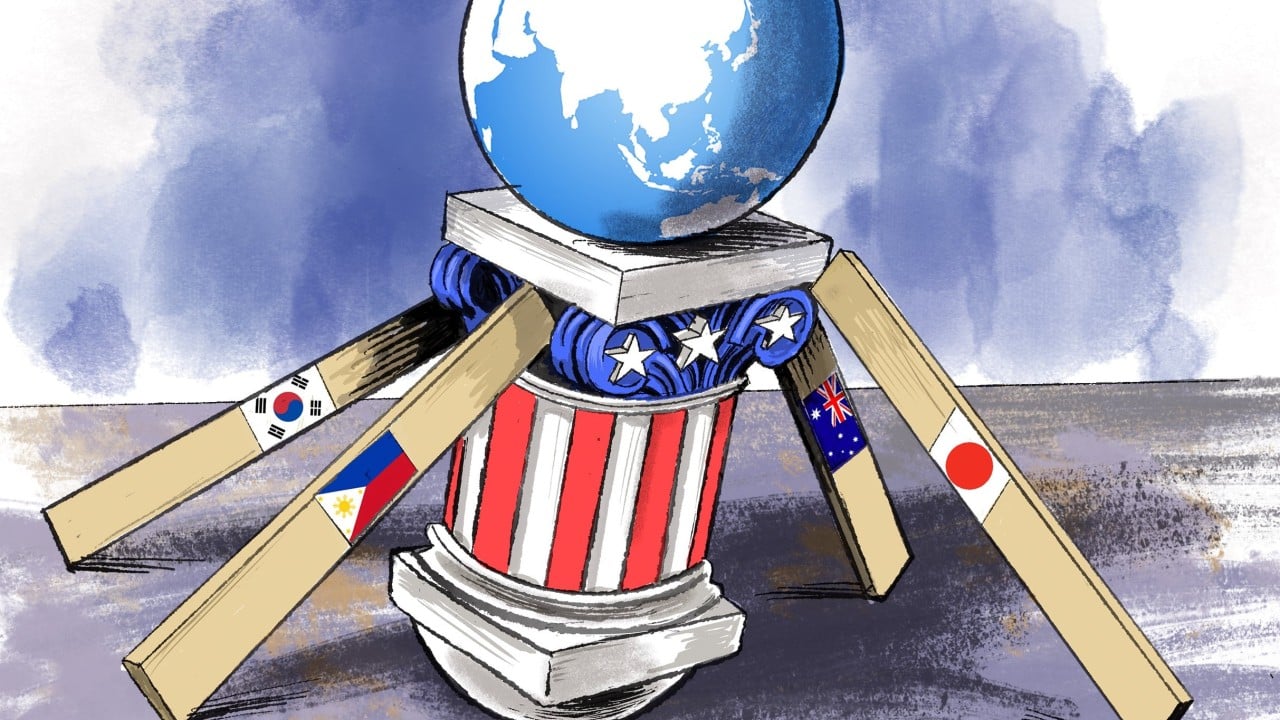
The recent Balikatan exercises, a joint military drill between the United States and the Philippines, have sent ripples across Asia, extending far beyond the immediate participants. The scale and location of these drills, which saw unprecedented participation from Japan, Australia, Canada, France, and New Zealand, underscore a shifting regional security landscape. The inclusion of live-fire exercises and the deployment of advanced anti-ship missile systems near sensitive waters like the South China Sea and Taiwan have amplified concerns about escalating tensions.
Beijing's response, articulated by Chinese foreign ministry spokesman Guo Jiakun, highlighted a starkly different perspective from the West. While Western capitals often dismiss such warnings as standard rhetoric, they carry significant weight across Asia. Many regional governments share China's apprehension about the region being drawn into a confrontational, bloc-based security architecture. The fear is that increased military posturing, while perhaps intended to reassure allies, could inadvertently heighten the risk of incidents escalating.
From an Asian perspective, particularly for nations navigating complex geopolitical currents, the emphasis on military blocs is a cause for quiet concern. The region's stability is intricately linked not just to grand strategy but to the practicalities of trade, investment, and domestic politics. A naval patrol can impact shipping insurance, military exercises can send market signals, and regional crises can directly affect everyday life, from grocery prices to election outcomes. This nuanced reality often gets overlooked in broader international coverage.
Middle and smaller powers in Asia are particularly focused on preserving their strategic autonomy and maintaining options. While they may seek security assurances from partners like the US, they are often hesitant to be locked into rigid alliances that demand unwavering loyalty in every dispute. The desire to balance security cooperation with economic ties, such as maintaining stable trade with China while expanding defense links with Washington, reflects a pragmatic approach to regional security. This balancing act is crucial for maintaining economic prosperity and domestic stability, a reality that resonates deeply within the region but is sometimes simplified in Western analyses.
the region needed peace, not division and confrontation fuelled by outside military build-up.
DistantNews Editorial
Originally published by South China Morning Post in English. Translated, summarized, and contextualized by our editorial team with added local perspective. Read our editorial standards.
More Stories

From Our Blog

Countries Without a Free Press: What You Need to Know

What Press Freedom Means for the News You Read

What Gets Lost (and Found) When News Is Translated

The Critical Role of Diaspora Media in Global News

What Travellers Should Know About Countries with Restricted Press
