

Asia-Pacific Military Spending Surges Amid US Commitment Doubts
Translated from English, summarized and contextualized by DistantNews.
TLDR
- Asia-Pacific military spending surged in 2025, reaching its fastest pace in 16 years due to growing uncertainty over US security commitments.
- Global military expenditure increased by 2.9% to $2.89 trillion in 2025, marking the 11th consecutive year of growth and the highest military burden since 2009.
- A decline in US spending, attributed to a lack of new military aid for Ukraine, slowed the overall global expansion despite increases in other regions.
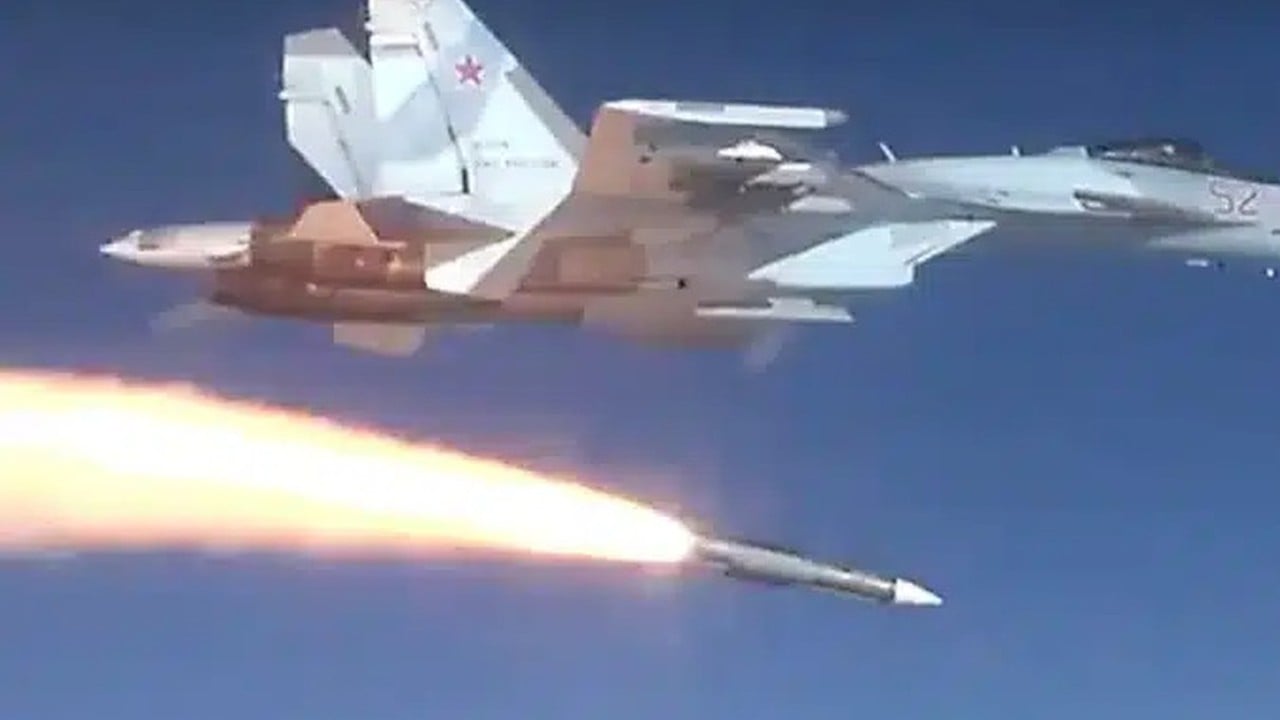
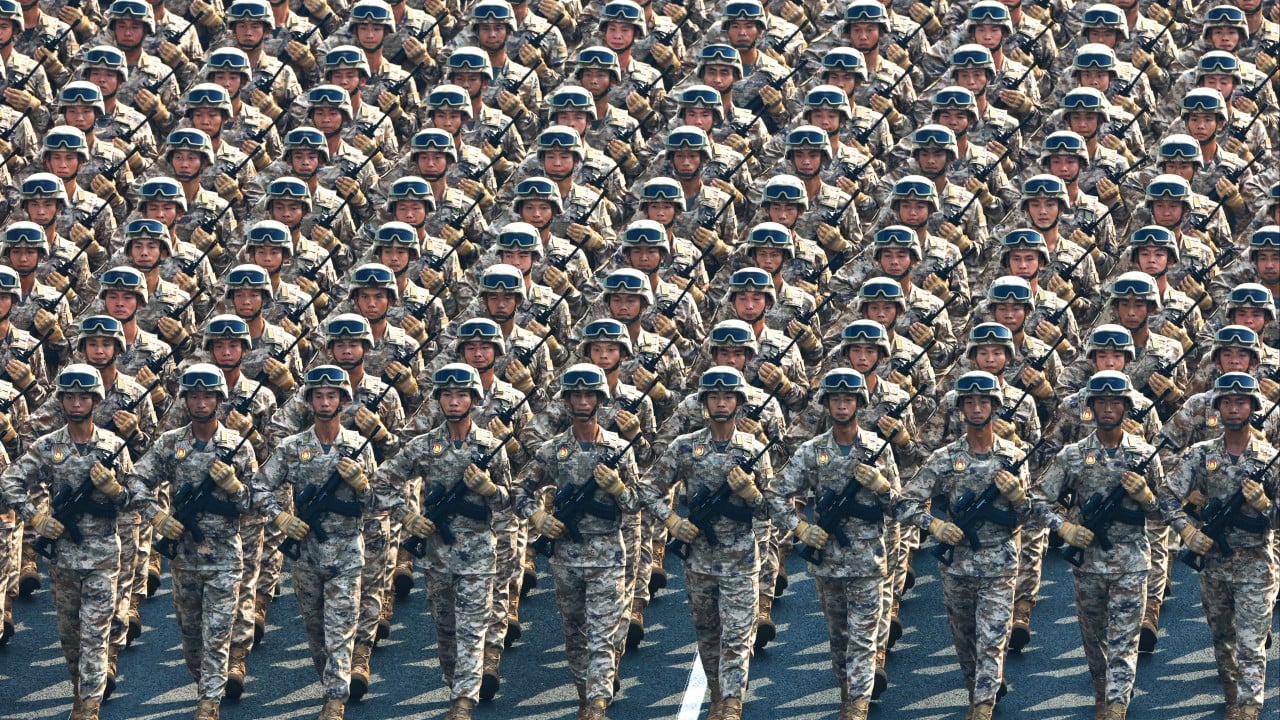
The Stockholm International Peace Research Institute's (SIPRI) latest report paints a stark picture of escalating military expenditures across the Asia-Pacific region. This significant uptick, the fastest in 16 years, is directly linked to the growing apprehension among US allies regarding Washington's commitment to regional security. The report highlights a global military spending increase of 2.9% in 2025, reaching $2.89 trillion, a trend that has persisted for 11 consecutive years.
While the United States, China, and Russia remain the top spenders, the report notes a slowdown in the global expansion rate compared to the previous year. This moderation is largely due to a decrease in US spending, specifically a 7.5% drop to $954 billion. SIPRI attributes this decline to Washington's decision not to approve new military aid for Ukraine, a factor that has had a ripple effect on global military dynamics.
From a regional perspective, the report underscores a palpable sense of unease. Allies in the Asia-Pacific are increasingly questioning the reliability of US security guarantees, prompting them to bolster their own defense capabilities. This shift in spending reflects a strategic recalibration in response to perceived geopolitical shifts and a desire for greater self-reliance in an uncertain international landscape. The data suggests a move away from a US-centric security framework towards a more multi-polar defense posture in the region.
growing uncertainty
DistantNews Editorial
Originally published by South China Morning Post in English. Translated, summarized, and contextualized by our editorial team with added local perspective. Read our editorial standards.
More Stories

From Our Blog

Countries Without a Free Press: What You Need to Know

What Press Freedom Means for the News You Read

What Gets Lost (and Found) When News Is Translated

The Critical Role of Diaspora Media in Global News

What Travellers Should Know About Countries with Restricted Press
