

Bas.My Bus Fares Unaffected by Oil Price Hikes, Ministry Assures
Translated from Malay, summarized and contextualized by DistantNews.
TLDR
- Malaysia's public bus service, Bas.My, will not be affected by global oil price increases due to government subsidies.
- The Ministry of Transport assures that fares will remain unchanged, with concession cardholders still receiving free rides and monthly passes fixed at RM30.
- The government aims to encourage public transport use by keeping fares affordable and expanding services, with new routes launched in Kuching.
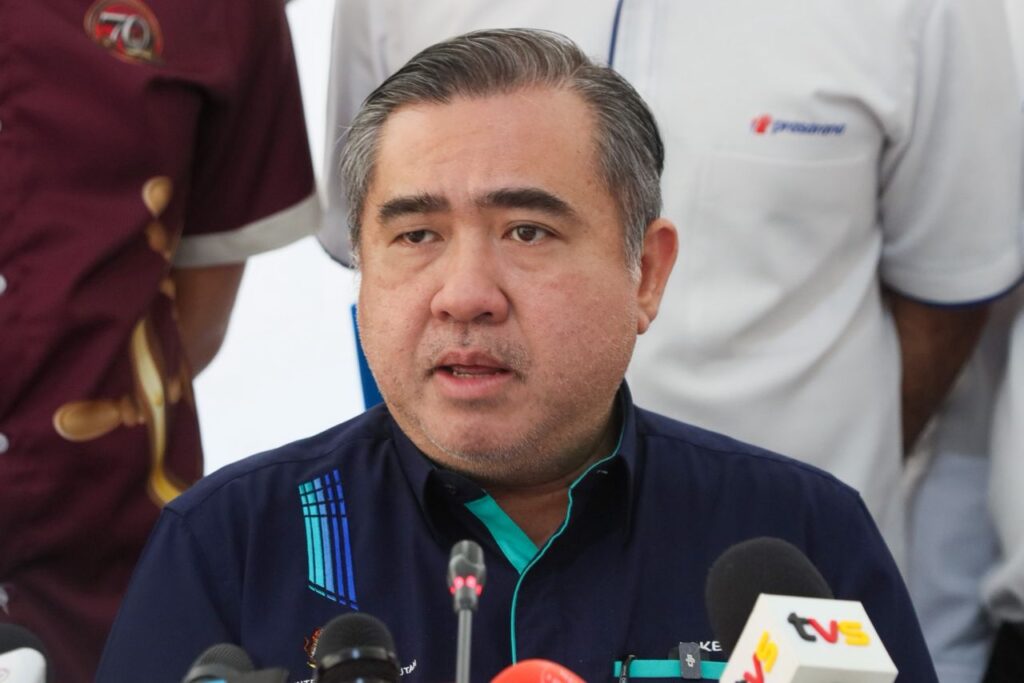
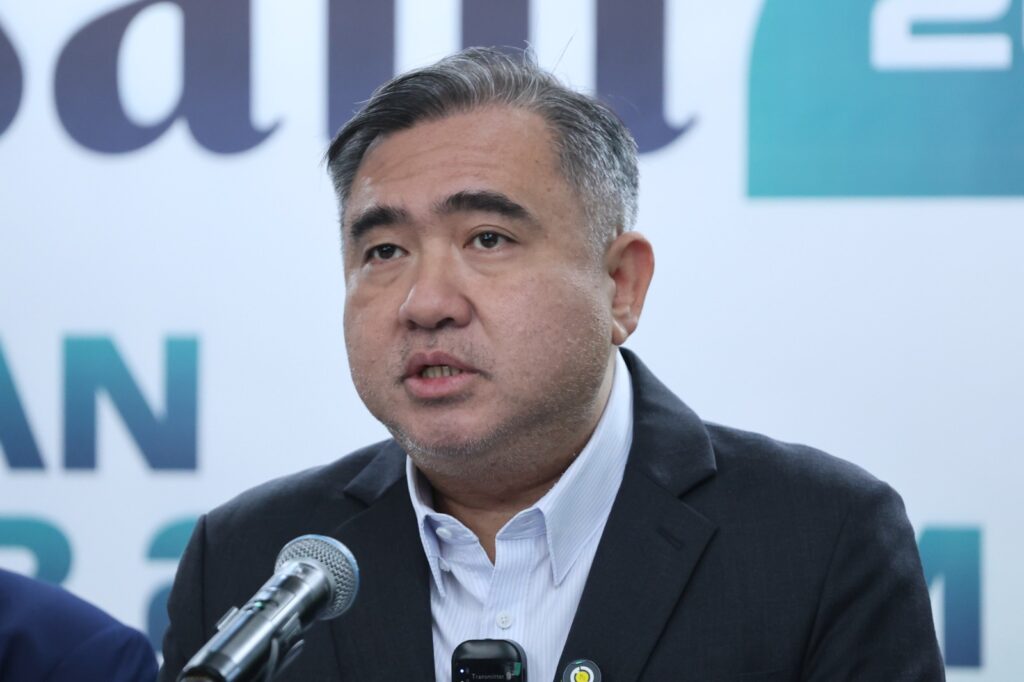
In a reassuring announcement for commuters, Malaysia's Minister of Transport, Anthony Loke Siew Fook, has confirmed that the popular Bas.My public bus service will remain unaffected by the recent global oil price hikes. This assurance stems from the government's commitment to subsidizing the service, including fuel costs, ensuring that fares remain stable and accessible for all Malaysians.
Loke reiterated that concession cardholders will continue to enjoy free rides, while the monthly pass price will be maintained at RM30, a reduction from the previous RM50. This strategy is designed to actively encourage greater public adoption of public transportation, positioning it as a vital and affordable alternative to private vehicles. The government's objective is not to profit from this service but to provide a cost-effective and reliable option for the populace.
Tambang bas ini tidak naik dan akan kekal. Untuk pemegang kad konsesi, mereka terus menikmati tambang percuma. Bagi pas bulanan pula, harganya kekal RM30 dan sebenarnya telah diturunkan daripada RM50 sebelum ini untuk menggalakkan lebih ramai rakyat menggunakan pengangkutan awam.
The Minister made these remarks during the launch of new Bas.My routes in Kuching, Sarawak. The expansion includes six new routes: Q11 (Arang Road), Q12 (Taman Hui Sing), Q13 (Siburan), Q14 (Summer Mall), Q15 (Stutong Baru/Kuching Sentral), and Q16 (Taman Sukma). These new services, which commenced on April 1, are part of a phased rollout that initially focuses on state capitals like Kuching, Johor Bahru, Seremban, and Ipoh, with plans to extend to secondary cities like Sibu and Bintulu in Sarawak later.
Furthermore, the government continues to provide subsidies under the Interim Support Service System for Rural Buses (ISBSS) to local bus operators in rural areas. This ongoing support is crucial for ensuring that public transportation remains available and functional for communities outside major urban centers. The government's multi-pronged approach, combining fare stabilization, service expansion, and rural support, highlights its dedication to enhancing Malaysia's public transport network.
Kerajaan tidak berhasrat untuk mendapat keuntungan daripada perkhidmatan ini. Kita mahu lebih ramai orang menggunakan pengangkutan awam kerana ia alternatif yang penting dan mampu milik.
DistantNews Editorial
Originally published by Utusan Malaysia in Malay. Translated, summarized, and contextualized by our editorial team with added local perspective. Read our editorial standards.
More Stories


From Our Blog

What Gets Lost (and Found) When News Is Translated

The Critical Role of Diaspora Media in Global News

What Travellers Should Know About Countries with Restricted Press

A Digital Nomad's Guide to Following Local News

How the Same Story Looks Different in Different Countries
