

Best Chance to See Eta Aquariids Meteor Shower in 2026: When and Where to Look
Translated from Spanish, summarized and contextualized by DistantNews.
TLDR
- The Eta Aquariids meteor shower will peak on the night of May 5th and early morning of May 6th, 2026.
- The best viewing time is in the hours before dawn, when the constellation Aquarius is visible.
- Factors like an 84% full moon and viewing location will affect visibility, with fewer than 10 meteors per hour expected due to moonlight.
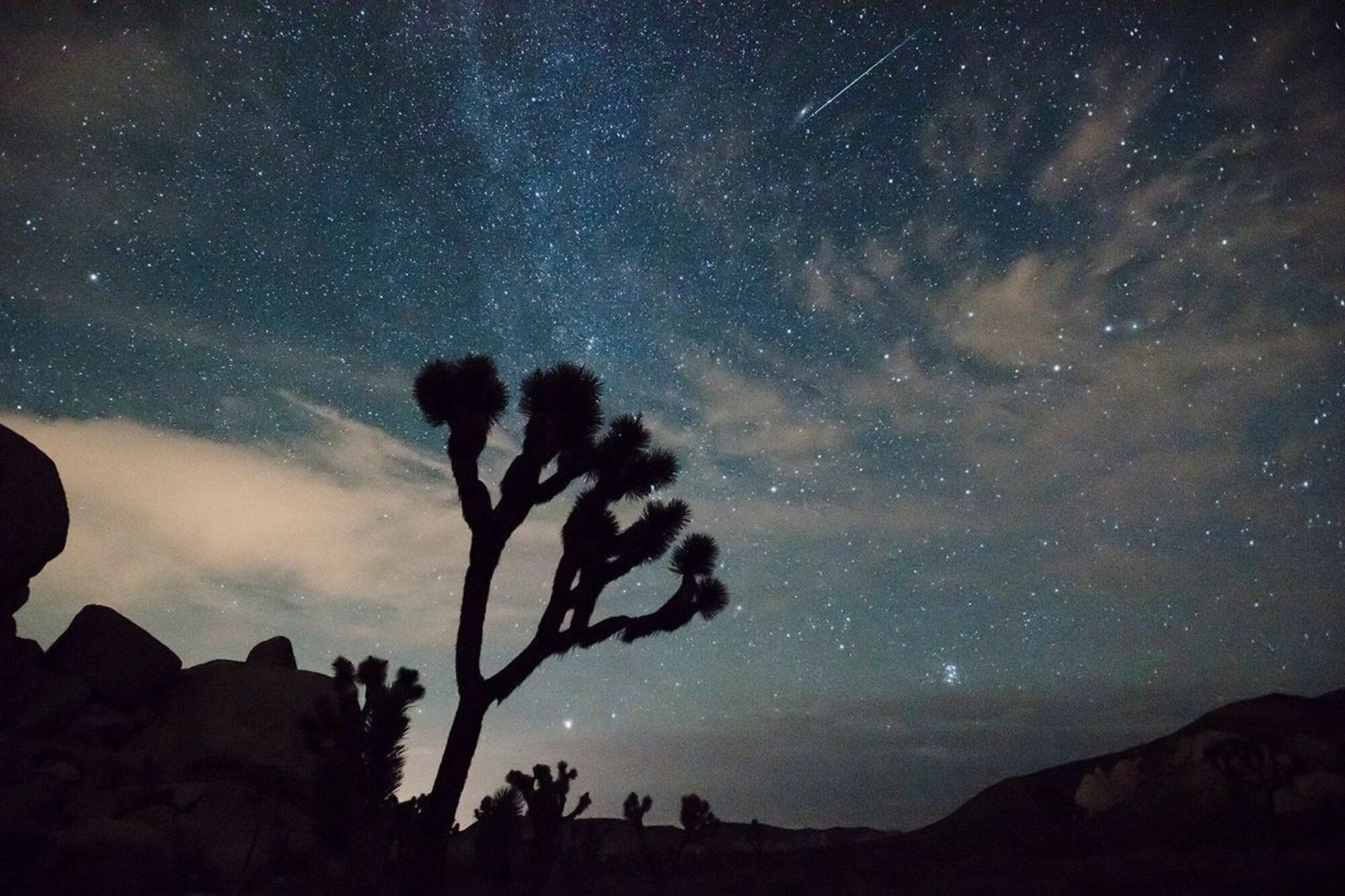
Stargazers have a prime opportunity to witness the Eta Aquariids meteor shower, which reaches its peak activity on the night of Tuesday, May 5th, and into the early morning of Wednesday, May 6th, 2026. This celestial event, associated with the debris of Halley's Comet, promises to illuminate the night sky with dozens of meteors. For the best viewing experience, experts recommend looking towards the constellation Aquarius in the pre-dawn hours.
la única oportunidad de ver estos meteoros es durante las últimas horas antes del amanecer.
Robert Lunsford, a meteor report coordinator for the American Meteor Society (AMS), explained that the optimal window for observation occurs just before sunrise, when Aquarius becomes visible. However, the viewing conditions for 2026 are not ideal. The presence of an 84% full moon will significantly impact visibility, washing out fainter meteors and reducing the expected rate to fewer than 10 per hour, a stark contrast to the usual 10-30 meteors per hour seen in clearer conditions.
Despite the lunar interference, the Eta Aquariids are known for their speed, traveling at approximately 40.7 miles per second (65.4 km/s). While they produce few fireballs, they can leave persistent trails. NASA advises viewers to seek out dark locations away from artificial lights and allow their eyes about 20-30 minutes to adjust to the darkness to enhance their chances of spotting the meteors. The shower is generally more intense in the Southern Hemisphere's tropics, where Aquarius rises higher, and the longer nights in May offer extended viewing opportunities.
la Luna estará al 84% de su fase completa. Esa iluminación afectará de forma severa la observación y reducirá la ventana horaria prevista.
From our perspective at La Nación, this astronomical event offers a moment of wonder and connection to the cosmos, even with less-than-perfect viewing conditions. While international news might focus on the scientific data, we emphasize the experience itself – the anticipation, the search for a dark spot, and the shared awe of witnessing a natural phenomenon. The fact that this shower is linked to the iconic Halley's Comet adds a layer of historical and romantic significance. Even with the bright moon, the chance to see shooting stars, especially from regions like southern U.S. where viewing is better, provides a unique spectacle that reminds us of the vastness and beauty of the universe, a perspective we cherish.
la NASA recomienda buscar zonas oscuras y permitir que la vista se adapte para mejorar la observación
DistantNews Editorial
Originally published by La Nación in Spanish. Translated, summarized, and contextualized by our editorial team with added local perspective. Read our editorial standards.
More Stories



From Our Blog

What Gets Lost (and Found) When News Is Translated

The Critical Role of Diaspora Media in Global News

What Travellers Should Know About Countries with Restricted Press

A Digital Nomad's Guide to Following Local News

How the Same Story Looks Different in Different Countries
