


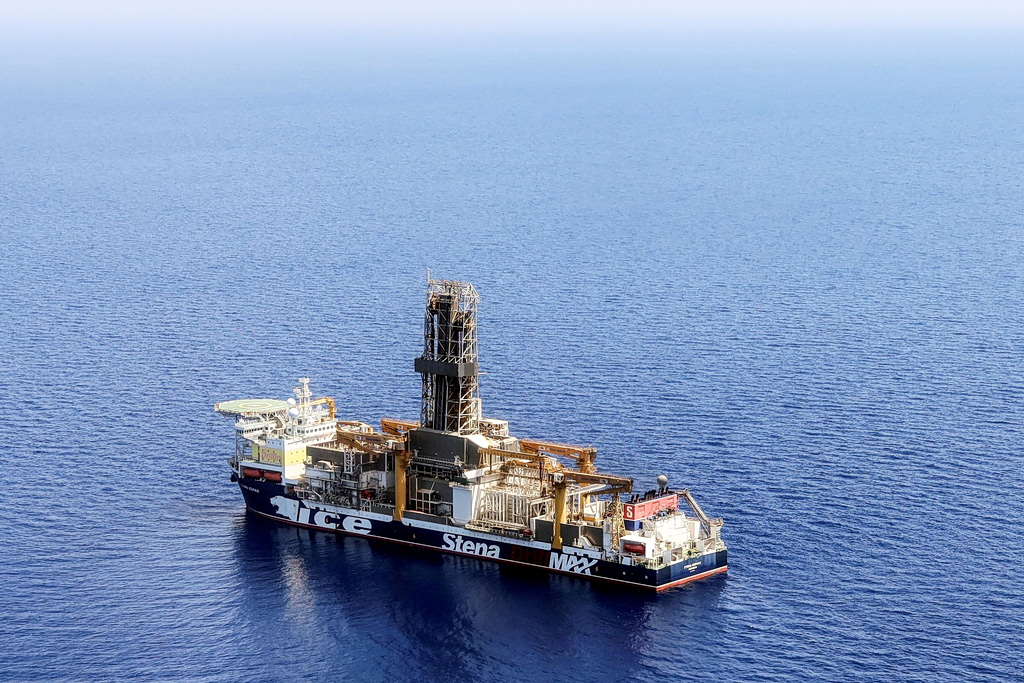
Billions in profits on the back of the crisis: The business side of the US-Iran conflict
Translated from Greek, summarized and contextualized by DistantNews.
TLDR
- The conflict between the US and Iran has led to soaring profits for certain companies, particularly in the oil, gas, and banking sectors.
- The closure of the Strait of Hormuz by Iran has caused energy price volatility, benefiting European energy giants like BP, Shell, and TotalEnergies.
- Major global banks, including JP Morgan, Bank of America, and Goldman Sachs, have also seen significant profit increases due to market turmoil and increased trading activity.
While households worldwide grapple with the escalating costs fueled by the US-Iran conflict, a starkly different reality unfolds for certain corporations: unprecedented billions in profits. The instability sown by this geopolitical clash, exacerbated by Iran's actions in the Strait of Hormuz, has not only driven up the cost of living but has also created a lucrative environment for specific industries.
The biggest economic impact of the war so far is the surge in energy prices.
The energy sector stands out as a primary beneficiary. With a significant portion of global oil and gas passing through the Strait of Hormuz, its effective closure sent shockwaves through energy markets. This volatility, however, proved to be a goldmine for major European energy companies. BP, Shell, and TotalEnergies, in particular, have reported doubled or significantly increased profits in the first quarter, largely due to their sophisticated trading divisions capitalizing on sharp price fluctuations.
The result was a 'rollercoaster' of fluctuations in the energy markets, from which the largest oil companies benefited.
Similarly, the world's largest banks have ridden the wave of market turmoil to record earnings. JP Morgan's trading division achieved record revenues, propelling its overall profitability to historic highs. Other 'Big Six' banks, including Bank of America, Morgan Stanley, Citigroup, Goldman Sachs, and Wells Fargo, collectively amassed billions in profits during the first quarter. Investment banks, especially, have thrived on the increased trading volumes as investors sought safer assets amidst the uncertainty.
BP saw its profits more than double to $3.2 billion in the first quarter, thanks to an 'exceptional' performance by its trading division.
This situation starkly illustrates the 'business of war,' where conflict and instability translate directly into immense financial gains for a select few, even as the global populace faces economic hardship. The narrative of billions in profit on the 'back of the crisis' is a bitter pill to swallow for ordinary citizens trying to make ends meet, highlighting a profound disconnect between geopolitical events and their real-world economic consequences for the majority.
The trading division of JP Morgan recorded record revenues of $11.6 billion in the first quarter of 2026, leading its overall profitability to its second-highest in history.
DistantNews Editorial
Originally published by Ta Nea in Greek. Translated, summarized, and contextualized by our editorial team with added local perspective. Read our editorial standards.
More Stories
From Our Blog

What Gets Lost (and Found) When News Is Translated

The Critical Role of Diaspora Media in Global News

What Travellers Should Know About Countries with Restricted Press

A Digital Nomad's Guide to Following Local News

How the Same Story Looks Different in Different Countries
