

Ceasefire? Ukraine and Russia Provide Different Accounts
Translated from German, summarized and contextualized by DistantNews.
TLDR
- Russia and Ukraine have conflicting accounts regarding a proposed ceasefire.
- Russia confirmed a unilateral ceasefire from Friday for WWII commemorations, but Ukraine's counter-offer remained unanswered.
- Ukraine called Russia's ceasefire proposal 'cynical' due to ongoing attacks, while Russia cited 'terrorist threats' for security measures.
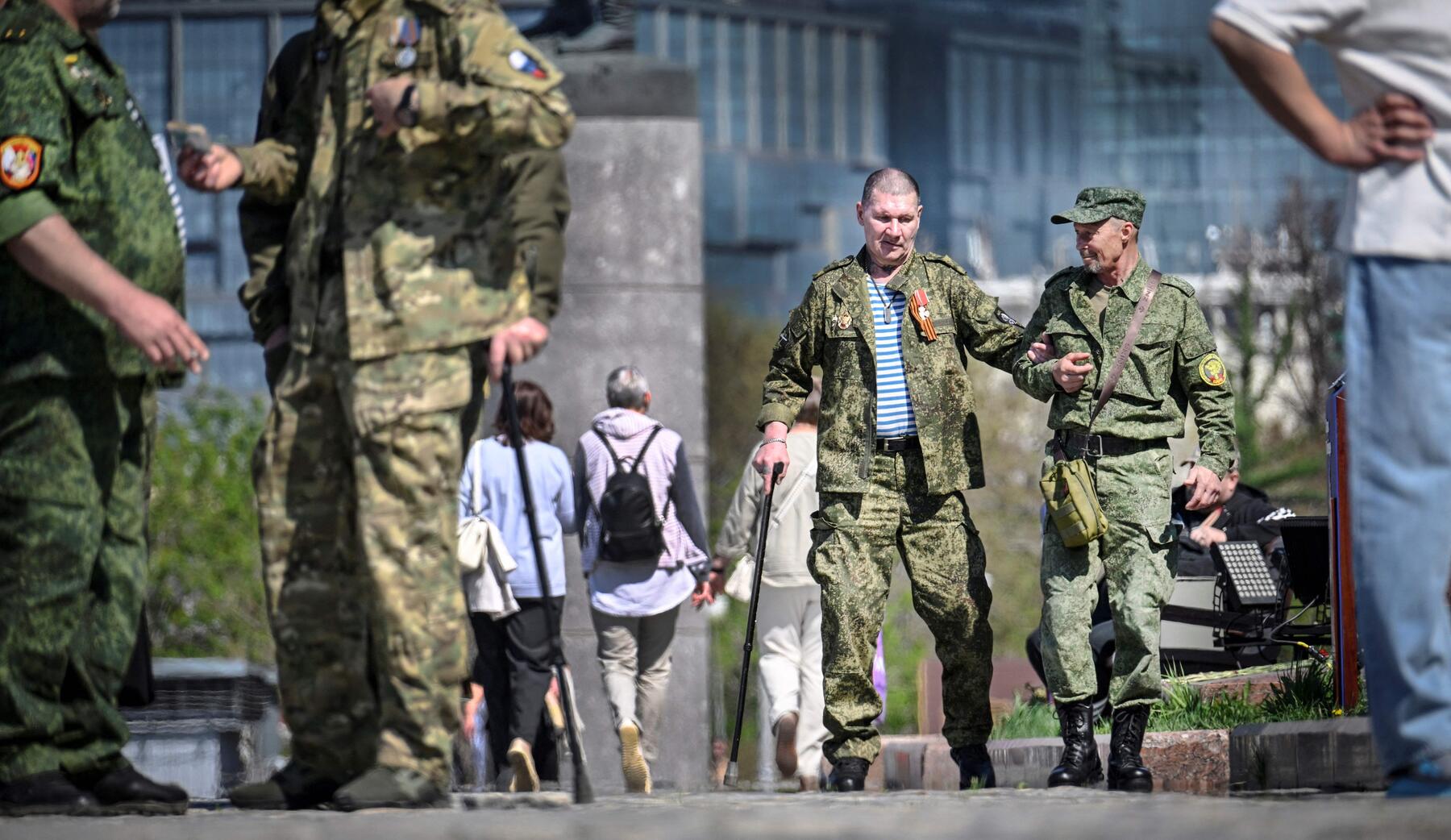
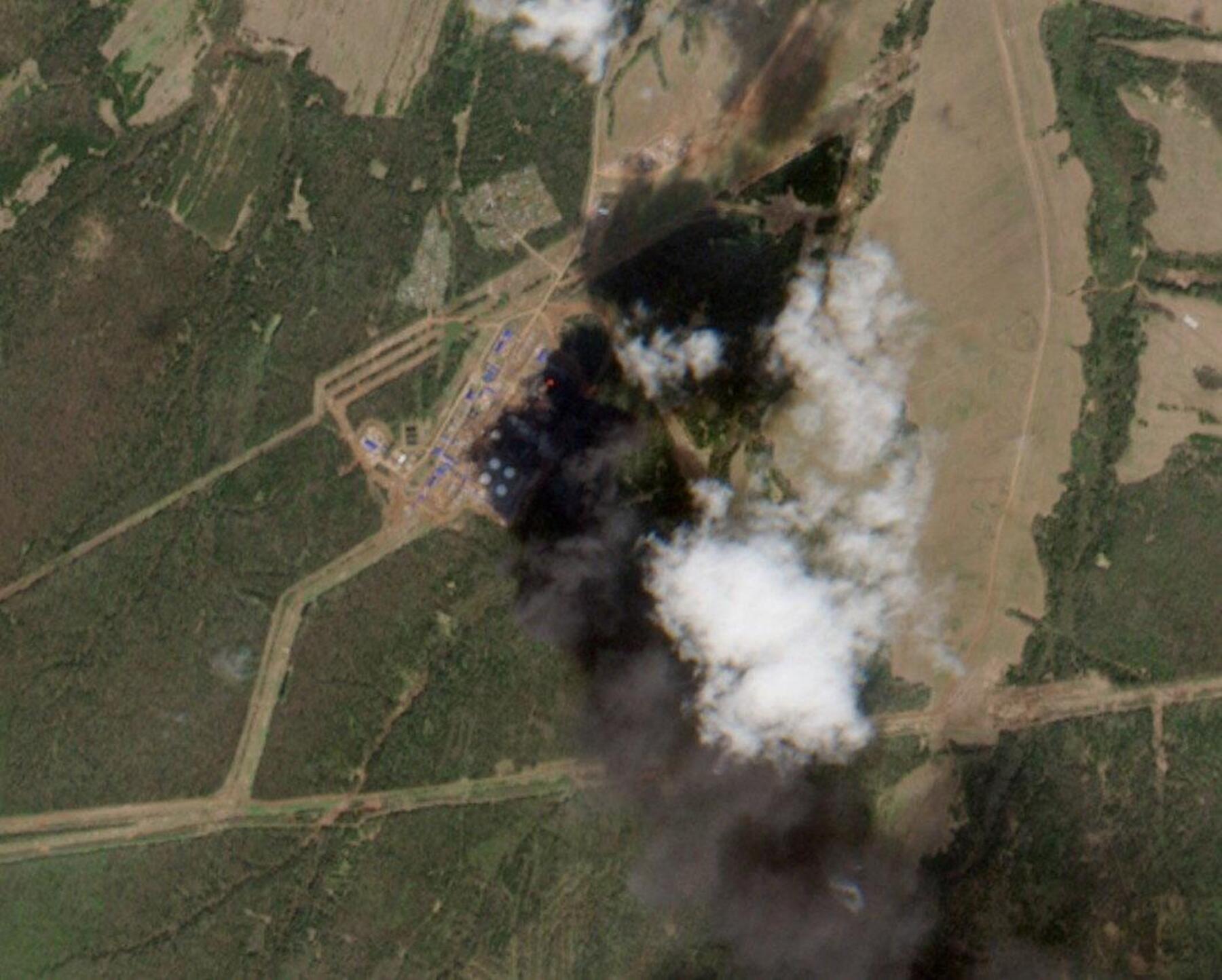
The ongoing conflict between Russia and Ukraine continues to be a complex web of conflicting narratives, particularly concerning any potential cessation of hostilities. As reported by Die Presse, Russia's announcement of a unilateral ceasefire for Victory Day commemorations, juxtaposed with Ukraine's own ceasefire proposal and subsequent air attacks, highlights the deep mistrust and divergent objectives. Moscow's confirmation of a ceasefire from May 8-9, while Kyiv's counter-offer went unanswered, underscores this disconnect. Ukraine's characterization of Russia's proposal as 'blatant cynicism' is understandable, given the continued Russian strikes. From a Ukrainian perspective, any talk of a ceasefire rings hollow when the reality on the ground involves ongoing aggression. The report also touches upon the security measures Russia is implementing for its Victory Day parade, including the absence of heavy military equipment due to fears of Ukrainian attacks. This detail, alongside the Kremlin's mention of 'terrorist threats,' paints a picture of a Russia highly sensitive to perceived external threats, even as it conducts offensive operations. The EU's condemnation, via Ursula von der Leyen, further solidifies the international view that Russia's peace overtures are not being made in good faith. The Ukrainian justification for drone attacks deep into Russian territory, framed as a 'mirror-image response' to Russian assaults, reveals a strategic calculus aimed at demonstrating capability and inflicting costs, even if it complicates de-escalation efforts. This dynamic underscores the difficulty of achieving any meaningful breakthrough towards peace when both sides interpret actions through the lens of their own security imperatives and historical grievances.
DistantNews Editorial
Originally published by Die Presse in German. Translated, summarized, and contextualized by our editorial team with added local perspective. Read our editorial standards.
More Stories

From Our Blog

What Gets Lost (and Found) When News Is Translated

The Critical Role of Diaspora Media in Global News

What Travellers Should Know About Countries with Restricted Press

A Digital Nomad's Guide to Following Local News

How the Same Story Looks Different in Different Countries
