

CENTCOM: 45 Commercial Vessels Diverted Amid Iran Naval Blockade
Translated from Greek, summarized and contextualized by DistantNews.
TLDR
- The U.S. Central Command (CENTCOM) reported that 45 commercial vessels were directed to change course or return to port due to an ongoing naval blockade against Iran.
- This action is part of U.S. efforts to ensure compliance with the blockade in international waters.
- The number of vessels affected has increased compared to previous reports, indicating heightened surveillance.
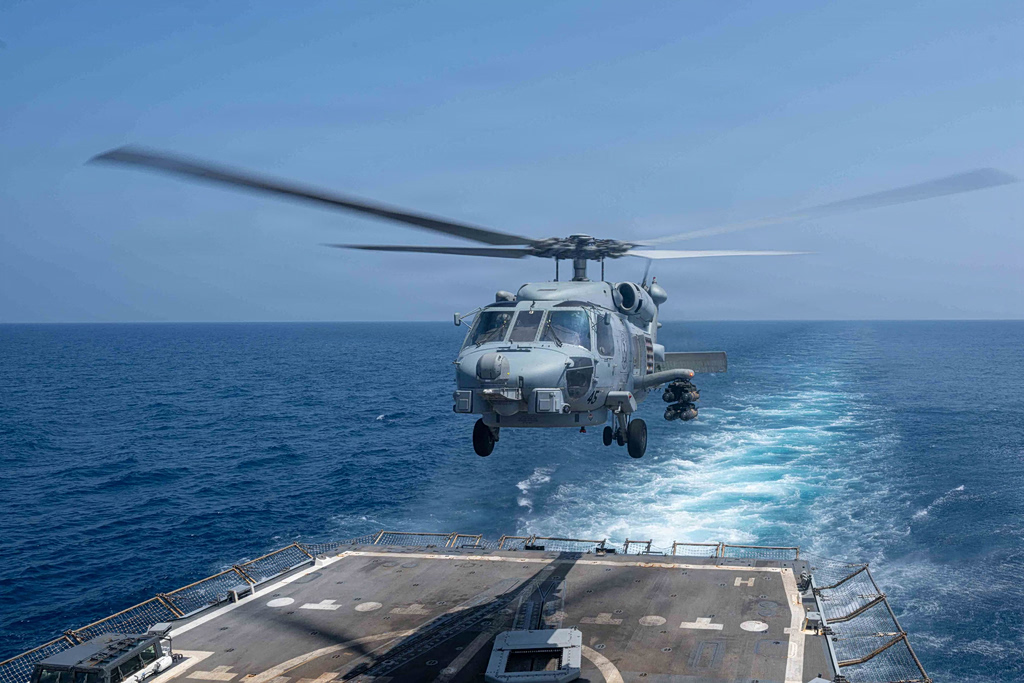
The United States Central Command (CENTCOM) has announced that its forces are actively patrolling international waters and enforcing a naval blockade against Iran. In a recent update, CENTCOM stated that 45 commercial vessels were instructed to alter their course or return to port. This measure is reportedly aimed at ensuring full compliance with the imposed blockade and signifies an increased U.S. military presence in the region. The number of vessels impacted has seen a rise from previous reports, with 42 similar incidents noted earlier in the week, suggesting a potential escalation in surveillance and enforcement operations.
The enforcement of this naval blockade is a significant development in the ongoing geopolitical tensions surrounding Iran. From the perspective of U.S. Central Command, these actions are presented as necessary steps to maintain maritime security and uphold international sanctions. The emphasis is on the operational aspect: patrolling waters, issuing directives, and ensuring compliance. The increase in the number of affected vessels could be interpreted as a sign of intensified efforts to interdict or deter maritime activities deemed in violation of the blockade.
For regional observers and international media, the situation is complex, involving concerns about freedom of navigation, the impact on global trade, and the broader implications for regional stability. However, from the viewpoint of CENTCOM, the narrative is framed around the execution of a specific military and security policy. The Greek outlet Ta Nea reports this development, highlighting the number of vessels and the ongoing nature of the blockade. The U.S. military's public communication, often through platforms like X (formerly Twitter), provides direct updates on these operations, framing them within the context of U.S. security objectives in the Middle East.
This event underscores the strategic importance of maritime routes in the Persian Gulf and the role of naval power in enforcing international policy. While Western media might focus on the geopolitical ramifications and potential for conflict escalation, the U.S. military's reporting emphasizes the procedural and operational aspects of the blockade. The directive to commercial vessels is presented as a routine, albeit significant, part of maintaining the effectiveness of the sanctions regime against Iran.
U.S. forces continue to patrol international waters and enforce the ongoing naval blockade against Iran. As of now, 45 commercial vessels have been directed to turn around or return to port to ensure compliance.
DistantNews Editorial
Originally published by Ta Nea in Greek. Translated, summarized, and contextualized by our editorial team with added local perspective. Read our editorial standards.
More Stories

From Our Blog

What Gets Lost (and Found) When News Is Translated

The Critical Role of Diaspora Media in Global News

What Travellers Should Know About Countries with Restricted Press

A Digital Nomad's Guide to Following Local News

How the Same Story Looks Different in Different Countries
