



CFO's Role Evolves: Strategic Partner, Tech Savvy, and Culturally Aware
Translated from Polish, summarized and contextualized by DistantNews.
TLDR
- The role of a Chief Financial Officer (CFO) has evolved beyond financial figures to become a strategic partner for the CEO, requiring foresight and a deep understanding of business operations.
- Artificial intelligence and automation are crucial for modern CFOs to stay competitive in data analysis and decision-making.
- Navigating cultural and legal differences between countries, such as payment term regulations in France versus Poland, is a key challenge for international CFOs.
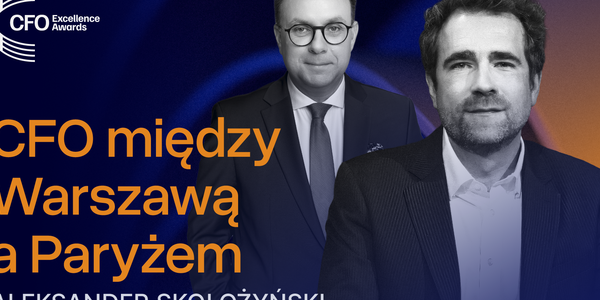
Rzeczpospolita delves into the evolving landscape of corporate finance, exploring the modern CFO's role through the lens of a finance executive working between Poland and France. The article posits that the CFO is no longer just a 'specialist of numbers' but a 'Chief Future Officer,' tasked with strategic planning and ensuring long-term delivery of financial targets. This shift necessitates a broader understanding of the business, moving beyond mere accounting to become a trusted advisor to the CEO.
I don't have to be the smartest person in the room, but I have to be able to discuss, understand, and help make the right decisions with my experience.
The piece emphasizes the indispensable role of technology, particularly Artificial Intelligence (AI), in the CFO's toolkit. In today's data-driven world, leveraging AI for analysis and automation is not just an advantage but a necessity to avoid falling behind competitors. The article highlights how experience in investment banking provides a valuable strategic perspective, enabling CFOs to better understand high-stakes decision-making processes observed at the highest levels of major corporations.
In today's times, AI is also important, because without using artificial intelligence in data analysis and without automation, we are left behind.
Furthermore, the article sheds light on the nuanced differences encountered by CFOs operating in different national contexts. While business models may be standardized across a group, local legal frameworks, labor costs, and cultural norms significantly impact operations. The strict legal limitations on payment terms in France, contrasted with the more flexible negotiation environment in Poland, serve as a prime example. The executive's personal background, including living in France as a child and holding French academic qualifications, underscores the importance of cultural fluency in international finance. Rzeczpospolita frames this as a testament to the complexity and adaptability required of modern financial leaders navigating the global marketplace.
In Poland, I could freely negotiate payment terms with contractors. In France, the payment term is legally limited to 45 days, and issuing an invoice with a longer term carries criminal liability for the president.
DistantNews Editorial
Originally published by Rzeczpospolita in Polish. Translated, summarized, and contextualized by our editorial team with added local perspective. Read our editorial standards.
More Stories


From Our Blog

What Gets Lost (and Found) When News Is Translated

The Critical Role of Diaspora Media in Global News

What Travellers Should Know About Countries with Restricted Press

A Digital Nomad's Guide to Following Local News

How the Same Story Looks Different in Different Countries
