


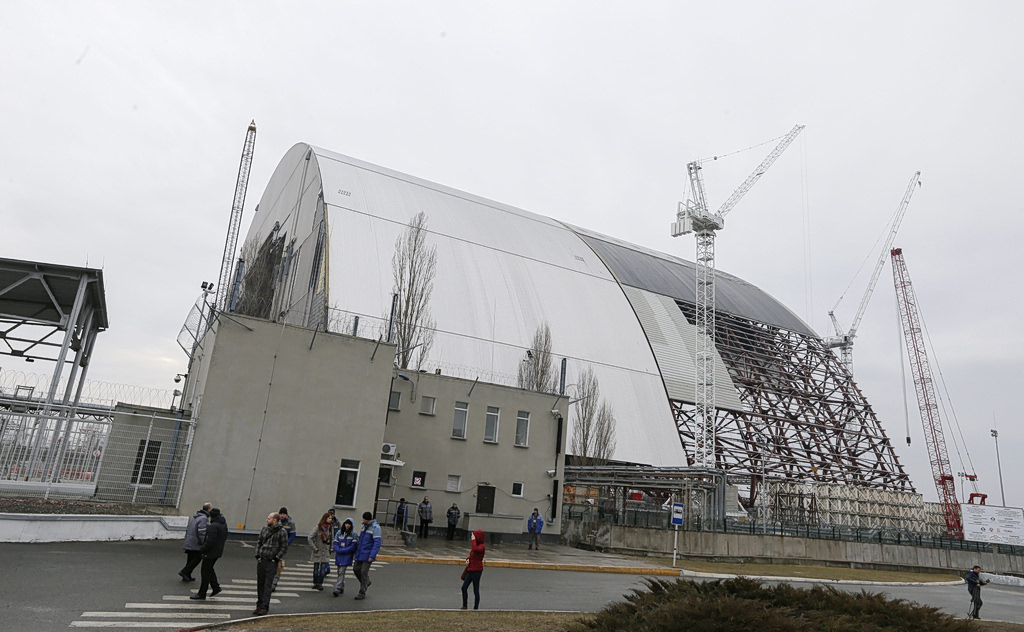
Chernobyl, 40 Years Later: Nuclear Technology Today, 'Lotto' Statistics, and Energy Independence - What Experts Say
Translated from Greek, summarized and contextualized by DistantNews.
TLDR
- Forty years after the Chernobyl disaster, nuclear technology is being reconsidered globally due to climate change and energy independence needs.
- While once a taboo, nuclear energy is now discussed as a potential 'green' alternative, with global operational capacity expected to double by 2050.
- However, anti-nuclear movements raise concerns about high costs, hazardous waste, and the technology's viability, creating a debate about its role in the energy mix.
The 40th anniversary of the Chernobyl nuclear disaster serves as a stark reminder of the catastrophic potential of nuclear energy. For decades, the shadow of 1986 cast a pall over any discussion of nuclear reactors, making it a deeply ingrained taboo, particularly within Greek society. The fear and devastation wrought by Chernobyl understandably solidified a global aversion to nuclear power, shaping public perception and policy for a generation.
nuclear energy represents about 9% of global electricity production and 25% of low-carbon energy worldwide, without emitting greenhouse gases during the production phase.
However, the intervening decades have brought new, urgent challenges. The escalating climate crisis and the pressing need for energy independence have dramatically shifted the global conversation. Nuclear energy, once shunned, is now being re-examined, with proponents highlighting its potential as a 'green' and stable energy source. Analysts suggest that the debate over whether Greece should even consider this option is now unavoidable, especially as neighboring countries expand their nuclear capabilities and international conflicts threaten energy security and fuel prices.
Globally, the landscape of nuclear energy has evolved significantly. According to the International Atomic Energy Agency, over 415 reactors are operational in 32 countries, accounting for approximately 9% of global electricity production and 25% of low-carbon energy. Projections indicate that global operational capacity could more than double by 2050, partly due to the development of Small Modular Reactors (SMRs). Within the European Union, nuclear energy constitutes a significant portion of electricity generation and low-carbon energy, with 12 member states continuing to operate reactors despite Germany's phase-out.
the global operational capacity of nuclear energy could even more than double by 2050 in the high-case scenario, reaching 2.6 times the levels of 2024.
Yet, the resurgence of nuclear energy is met with strong opposition. Representatives of the anti-nuclear and environmental movements are sounding the alarm, emphasizing the exorbitant costs, the generation of dangerous waste, and questioning the narrative of nuclear power as a 'green' solution to climate change. From a Greek perspective, this debate is particularly complex. While the nation grapples with energy security and the transition to cleaner sources, the specter of Chernobyl looms large. The international push towards nuclear power, driven by necessity and technological advancements, forces a difficult reckoning with past traumas and future risks. The question remains: can the perceived benefits of nuclear energy outweigh the historical fears and the ongoing environmental concerns, especially for a country with limited experience and a deep-seated public apprehension rooted in a global tragedy?
in the European Union, nuclear energy accounts for 22% of total electricity production and almost a third of low-carbon energy.
DistantNews Editorial
Originally published by Ta Nea in Greek. Translated, summarized, and contextualized by our editorial team with added local perspective. Read our editorial standards.
More Stories

From Our Blog

What Gets Lost (and Found) When News Is Translated

The Critical Role of Diaspora Media in Global News

What Travellers Should Know About Countries with Restricted Press

A Digital Nomad's Guide to Following Local News

How the Same Story Looks Different in Different Countries
