

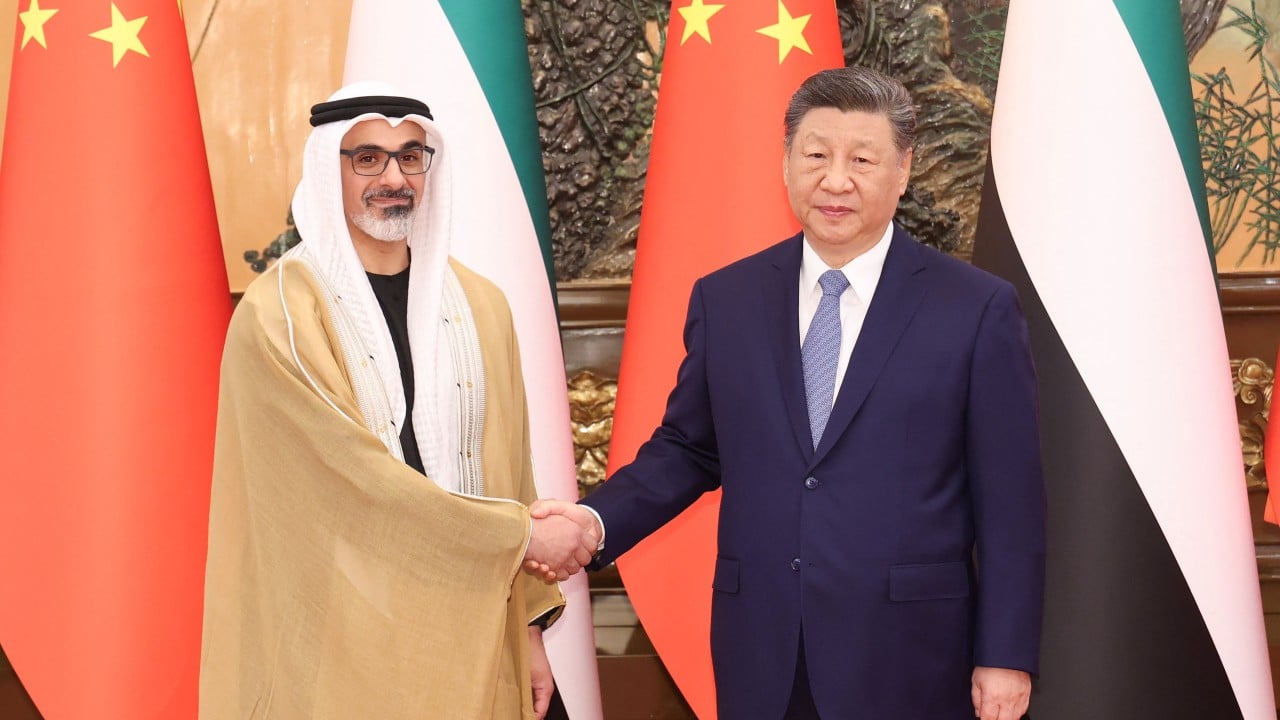

China's Yuan Faces Uphill Battle for Global Status, Echoing Euro's Lessons
Translated from English, summarized and contextualized by DistantNews.
TLDR
- The euro's internationalization offers lessons for the yuan, particularly regarding the US dollar's dominance, which stems from deep financial markets and a 'lock-in effect'.
- A key challenge for the yuan is China's bank-centric financial system and the requirement for an open capital account, which means relinquishing control over currency value.
- The trade-off for global currency status is the loss of national control over exchange rates, a factor that historically made Germany hesitant to internationalize the Deutschmark.
In an insightful interview with the South China Morning Post, Daniel Gros, Director of the Institute for European Policymaking at Bocconi University, dissects the complexities of currency internationalization, drawing parallels between the euro's journey and China's aspirations for the yuan. Gros, who played a role in the euro's development, offers a seasoned perspective on the hurdles Beijing faces in challenging the US dollar's global hegemony.
Once everybody has chosen the dollar, why should they change?
The core of Gros's argument lies in the inherent advantages of the US dollar: its unparalleled depth and liquidity in financial markets, coupled with a powerful 'lock-in effect.' Once a currency becomes the de facto global standard, as the dollar has, it becomes exceedingly difficult for alternatives to gain traction. This network effect means that even transactions between non-US entities often default to the dollar, creating a self-reinforcing cycle of dominance.
to become an international currency, a currency needs very deep and liquid financial markets.
Furthermore, Gros points to structural differences between the US and European/Chinese financial systems. The euro and yuan operate within bank-centric economies, unlike the more market-centric US system. Crucially, for a currency to achieve global status, it typically requires an open capital account, which entails a significant trade-off: relinquishing national control over currency valuation. This loss of monetary policy autonomy is a substantial barrier, as exemplified by Germany's historical reluctance to see the Deutschmark become a global currency due to the implications for exchange rate control.
having a global currency requires letting its value be determined globally.
DistantNews Editorial
Originally published by South China Morning Post in English. Translated, summarized, and contextualized by our editorial team with added local perspective. Read our editorial standards.
More Stories


From Our Blog

Countries Without a Free Press: What You Need to Know

What Press Freedom Means for the News You Read

What Gets Lost (and Found) When News Is Translated

The Critical Role of Diaspora Media in Global News

What Travellers Should Know About Countries with Restricted Press
