

Closed? Open? Closed? Why is Iran changing course on the Strait of Hormuz?
Summarized and contextualized by DistantNews.
TLDR
- Iran's Revolutionary Guard Corps (IRGC) stated control of the Strait of Hormuz has returned to its previous state, citing US "piracy and maritime theft" due to naval blockades.
- The IRGC indicated the strait's status would remain under strict control until the US ends its blockade of Iranian ports.
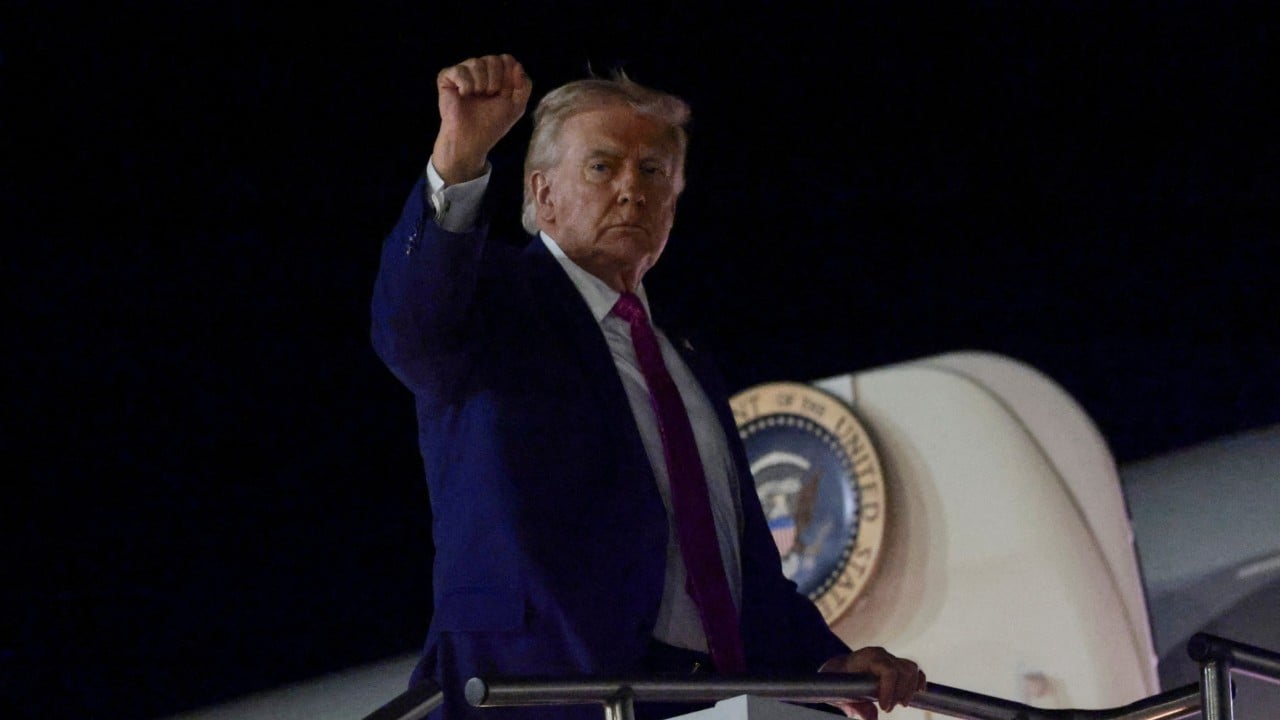
- This statement followed Iran's earlier announcement that the waterway was fully open to commercial vessels, a move applauded by then-US President Donald Trump.
The strategic Strait of Hormuz remains a focal point of tension between Iran and the United States, with conflicting narratives emerging regarding its control and accessibility.
The Islamic Revolutionary Guard Corps (IRGC) announced that control of the vital waterway has reverted to its prior status. This declaration, reported by Fars News Agency, directly links the strait's condition to the ongoing US naval blockade of Iranian ports, which the IRGC decries as "piracy and maritime theft." The IRGC spokesman asserted that the strait's status would persist under strict control until the US ceases its actions, framing the situation as a direct response to perceived American aggression.
Until the US puts an end to the complete freedom of movement for vessels from Iranian origin to destination and from destination to Iranian origin, the status of the Strait of Hormuz will remain under strict control and in its previous state.
This development contrasts sharply with Iran's earlier declaration that the strait was fully open to commercial vessels. That announcement had been met with approval from then-US President Donald Trump, who, however, simultaneously stressed that the US naval blockade of Iranian ports along the strait would continue. The differing statements highlight the complex and often contradictory messaging emanating from Tehran regarding maritime passage and international relations.
From Iran's perspective, as conveyed through the IRGC's statement, the Strait of Hormuz is a critical national security interest. Any perceived threat or restriction on its maritime activities, particularly related to port access, is viewed through the lens of national defense and sovereignty. The IRGC's firm stance underscores Iran's determination to maintain control over this crucial chokepoint, responding assertively to what it interprets as US provocations. This ongoing standoff reflects the broader geopolitical dynamics between the two nations, with the Strait of Hormuz serving as a persistent flashpoint.
control of the strait had 'returned to its previous state', saying the US continuing naval blockade of Iranian ports amounted to 'piracy and maritime theft'.
DistantNews Editorial
Originally published by South China Morning Post. Summarized and contextualized by our editorial team with added local perspective. Read our editorial standards.
More Stories

From Our Blog

Countries Without a Free Press: What You Need to Know

What Press Freedom Means for the News You Read

What Gets Lost (and Found) When News Is Translated

The Critical Role of Diaspora Media in Global News

What Travellers Should Know About Countries with Restricted Press
