

Cultivating Mediterranean Herbs: Essential Tips for Croatian Gardeners
Translated from Croatian, summarized and contextualized by DistantNews.
TLDR
- Mediterranean herbs like rosemary, lavender, and sage are resilient and easy to grow, but require specific planting conditions.
- Proper timing is crucial; planting should occur after the risk of frost has passed and in well-drained soil, especially in continental climates.
- These herbs thrive in sunny locations and require minimal watering, with gravel or pebbles recommended as mulch to prevent moisture retention.
For gardening enthusiasts in Croatia, both along the picturesque Mediterranean coast and in the cooler continental regions, the allure of Mediterranean herbs like rosemary, lavender, and sage is undeniable. These aromatic plants not only bring a touch of the Mediterranean to any garden but are also prized for their culinary, cosmetic, and medicinal properties. Večernji List offers practical advice for successfully cultivating these resilient herbs, emphasizing that while they are generally low-maintenance, understanding their specific needs is key to their thriving.
The article stresses the importance of timing and soil conditions. For continental areas of Croatia, the optimal planting window is from mid-April to May, after the last frost. In contrast, Mediterranean regions allow for slightly earlier planting. Crucially, these herbs detest waterlogged soil. Therefore, well-drained soil is paramount, and gardeners are advised against using compost or organic mulches that retain moisture. Instead, a layer of pebbles or gravel is recommended to mimic their natural, arid habitat and ensure proper drainage.
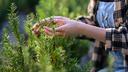
Each herb mentioned—lavender, rosemary, and sage—comes with its own set of characteristics and benefits. Lavender, known for its calming properties and ability to attract pollinators, can live for over two decades with proper care. Rosemary, a staple in Mediterranean cuisine, is also noted for its potential to enhance concentration. The bay laurel, while sensitive in its youth, becomes quite hardy, often grown in pots in continental climates to protect it from cold. Sage, unique among these for its slightly higher tolerance to cooler temperatures, is celebrated for its antioxidant properties and use in traditional remedies.
This advice is particularly relevant for Croatian gardeners who are increasingly incorporating these plants into their landscapes. The article serves as a valuable guide, ensuring that these beloved Mediterranean species can flourish even outside their native climate, bringing their fragrance and benefits to gardens across the country. The emphasis on practical, region-specific advice reflects Večernji List's commitment to providing relevant and actionable information to its readership.
DistantNews Editorial
Originally published by Večernji List in Croatian. Translated, summarized, and contextualized by our editorial team with added local perspective. Read our editorial standards.
More Stories



From Our Blog

What Gets Lost (and Found) When News Is Translated

The Critical Role of Diaspora Media in Global News

What Travellers Should Know About Countries with Restricted Press

A Digital Nomad's Guide to Following Local News

How the Same Story Looks Different in Different Countries
