


Debate Heats Up: Why Argentina Harvests Only Half the Potential Corn and Soybeans
Translated from Spanish, summarized and contextualized by DistantNews.
TLDR
- Argentine researchers highlight significant gaps between potential and actual crop yields for corn and soybeans.
- Corn yields are at 50-55% of potential, while soybeans reach 60-65%, with nutrition and operational factors cited as key issues.
- Experts suggest aiming for 80% of potential yield offers the best cost-benefit balance, acknowledging economic and strategic limitations.
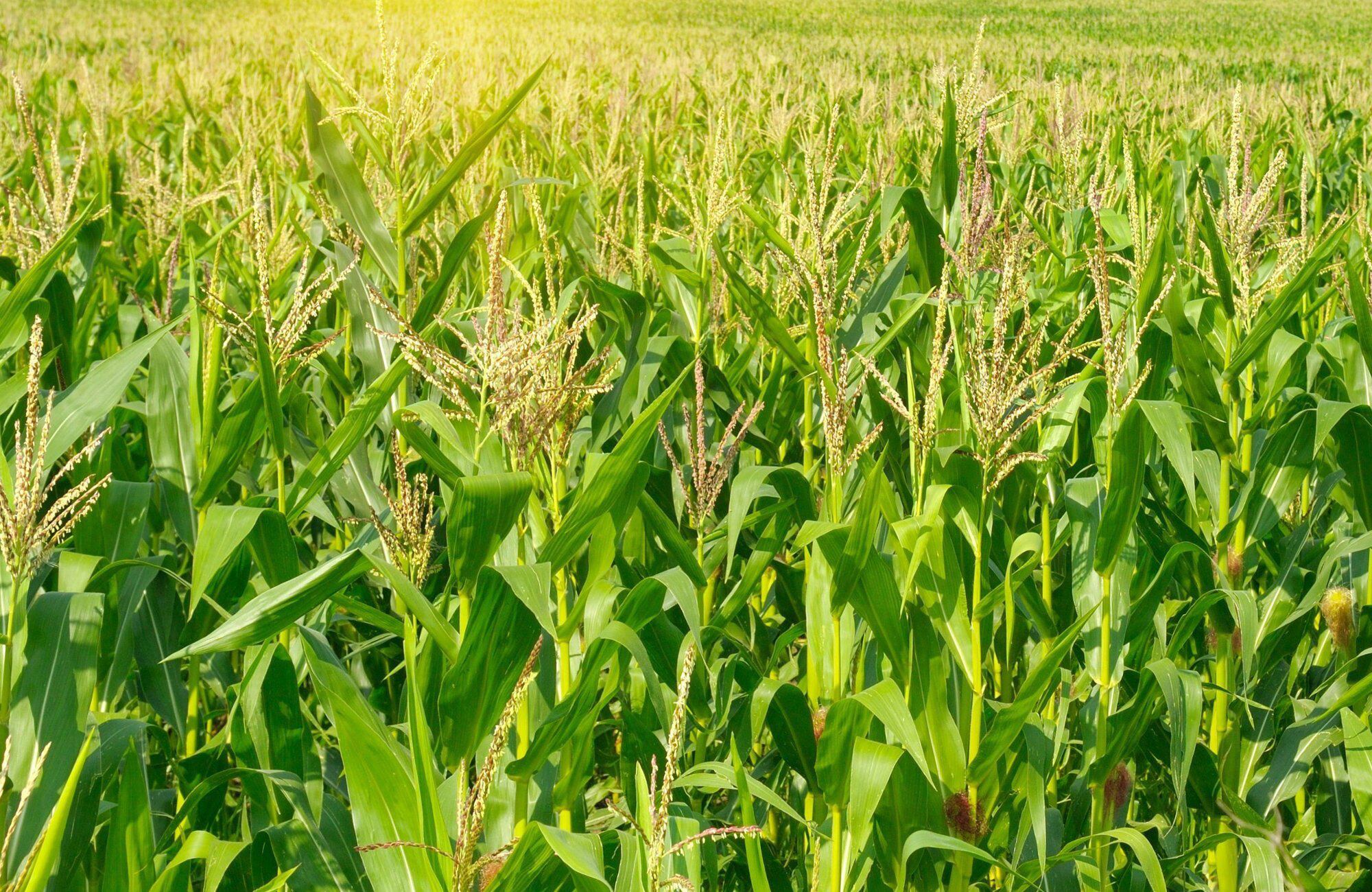
As Argentina gears up for the Aapresid 2026 Congress, a critical discussion is emerging around the persistent "yield gaps" in the nation's crucial corn and soybean harvests. Researchers from CONICET and INTA are pointing to a stark reality: current yields are falling significantly short of what modern technology could achieve. In corn, for instance, farmers are realizing only about 50-55% of the crop's potential, while soybeans are reaching approximately 60-65%. This gap represents a substantial loss of productive capacity, particularly in corn cultivation.
en maíz los rindes logrados están en torno al 50-55% del potencial y en soja entre el 60 y el 65%
The primary culprit identified for these underperforming yields, especially in corn, is inadequate soil nutrition. Researchers note that nutrient application is lagging behind what crops actually consume, essentially "mining" nutrients from the soil. This underinvestment in fertilization directly impacts yield potential. Furthermore, in soybeans, operational challenges such as delayed planting due to logistical constraints exacerbate the problem, indicating that limitations extend beyond mere agronomic management to encompass broader issues of investment and operational capacity.
Estamos aplicando menos nutrientes de los que los cultivos se llevan, es decir, אנחנו עושים כריית נוטריאנטים באדמות.
While the technological ceiling for yields is known, it's not always the target. Experts like José Andrade suggest that an efficient producer should aim for around 80% of the potential yield, as this often represents the optimal balance between cost and benefit. Exceeding this level can involve risks and costs that are difficult to justify in the current economic climate. Therefore, these yield gaps are not solely technical; they are deeply intertwined with economic realities, strategic decisions, climate uncertainty, tight profit margins, and access to financing, all of which collectively shape agronomic choices in Argentina's vital agricultural sector.
No es solo manejo, también hay una cuestión de inversión y capacidad operativa
DistantNews Editorial
Originally published by La Nación in Spanish. Translated, summarized, and contextualized by our editorial team with added local perspective. Read our editorial standards.
More Stories


From Our Blog

What Gets Lost (and Found) When News Is Translated

The Critical Role of Diaspora Media in Global News

What Travellers Should Know About Countries with Restricted Press

A Digital Nomad's Guide to Following Local News

How the Same Story Looks Different in Different Countries
