

Disability assessment in Poland in 2026: Benefits and reliefs for a light degree
Translated from Polish, summarized and contextualized by DistantNews.
TLDR
- Poland has two main systems for assessing disability and work incapacity, managed by different bodies.
- The disability assessment system, based on a 1997 law, determines light, moderate, or significant degrees of disability for individuals over 16, impacting rehabilitation, employment, and access to benefits.
- A ZUS (Social Insurance Institution) assessment of work incapacity is equivalent to a disability assessment, with partial incapacity corresponding to a light degree of disability.
In Poland, navigating the system for disability and work incapacity involves understanding two distinct legal frameworks and the bodies responsible for their administration. This distinction is crucial for individuals seeking support, benefits, and entitlements related to their health status.
The first system pertains to the assessment of work incapacity, which is handled by the Social Insurance Institution (ZUS) and other pension-related bodies. These assessments are primarily the basis for granting pensions and other related benefits.
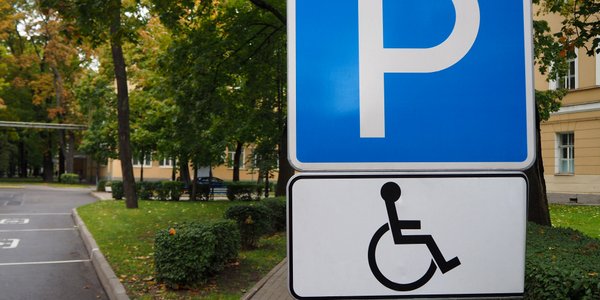
The second, and perhaps more widely recognized for social support, is the disability assessment system. This system, governed by the Act of August 27, 1997, on Vocational and Social Rehabilitation and Employment of Disabled Persons, determines the degree of disability for individuals. For those under 16, it issues a certificate of disability, while for individuals aged 16 and above, it classifies their disability into light, moderate, or significant degrees. These classifications are vital for accessing services related to vocational and social rehabilitation, employment opportunities for disabled individuals, and various concessions, such as parking cards and tax reliefs.
It is important to note the relationship between these two types of assessments. While a person with a disability is not always deemed incapable of working, any person declared incapable of working is automatically considered disabled. Furthermore, a ZUS assessment of work incapacity is considered equivalent to a disability assessment. Specifically, a ZUS ruling of total incapacity for work and incapacity for self-care equates to a significant degree of disability. Similarly, a ruling of incapacity for self-care also equates to a significant degree of disability. A ruling of total incapacity for work is treated the same as a moderate degree of disability, and partial incapacity for work is equivalent to a light degree of disability.
Individuals assessed with a light degree of disability, particularly those who are employed, may be eligible for several employment-related benefits. The law defines a light degree of disability as affecting an individual's physical or mental capacity, significantly reducing their ability to perform work compared to peers with similar qualifications and abilities, or limiting their social roles which can be compensated through orthopedic devices, assistive tools, or technical aids.
DistantNews Editorial
Originally published by Rzeczpospolita in Polish. Translated, summarized, and contextualized by our editorial team with added local perspective. Read our editorial standards.
More Stories



From Our Blog

What Gets Lost (and Found) When News Is Translated

The Critical Role of Diaspora Media in Global News

What Travellers Should Know About Countries with Restricted Press

A Digital Nomad's Guide to Following Local News

How the Same Story Looks Different in Different Countries
