

Early Returns Ease Holiday Crowds, But Airlines Face Rising Costs
Translated from Vietnamese, summarized and contextualized by DistantNews.
TLDR
- Tan Son Nhat International Airport in Ho Chi Minh City expects over 112,000 passengers on May 2nd, indicating continued high travel volume after the holiday.
- Many travelers are opting to return earlier than the official end of the holiday to avoid crowds and potential travel disruptions.
- Despite high passenger numbers, airlines are facing challenges due to increased operational costs, particularly rising jet fuel prices.
From the perspective of Tuoi Tre, a leading Vietnamese newspaper:
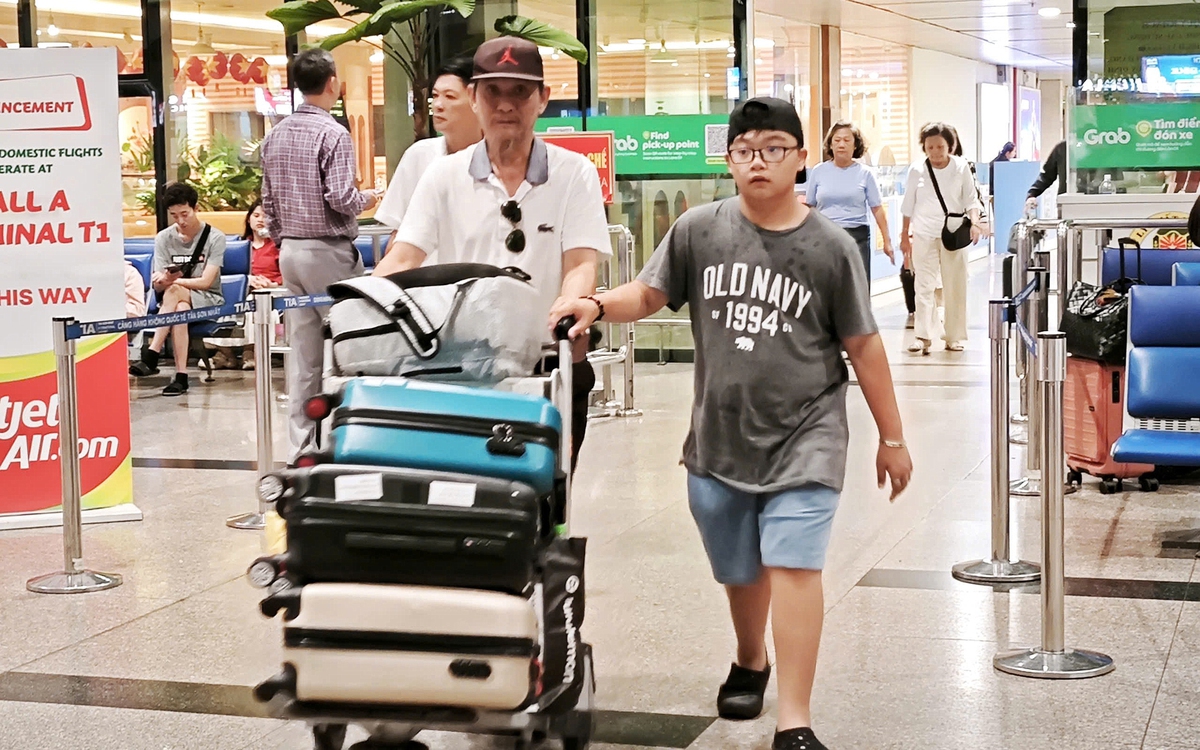
The post-holiday travel rush continues unabated at Tan Son Nhat International Airport, with projections of over 112,000 passengers on May 2nd alone. This sustained high volume underscores the enduring popularity of domestic travel and the challenges faced by both travelers and the aviation industry in navigating peak periods.
A notable trend this year is the proactive approach taken by many passengers. Instead of waiting until the last day of the holiday, a significant number are choosing to fly back earlier, aiming to 'dodge' the anticipated crowds and secure a smoother journey. This strategic timing, as exemplified by traveler Thu Hang, allows for a less stressful return and provides valuable time to rest before resuming work. This growing preference for flexible travel dates reflects a more calculated approach to holiday planning, seeking to mitigate the common frustrations associated with peak travel.
Tickets are not much cheaper, but it's less tiring to go early, and we still have time to rest before going back to work.
However, this surge in passenger numbers presents a complex picture for airlines. While the demand is high, so too are the operational costs. The ongoing geopolitical conflicts, particularly in the Middle East, have driven jet fuel prices above $100 per barrel, significantly increasing expenses for carriers. This financial pressure is forcing airlines to consider strategies such as reducing flight frequencies and consolidating services to optimize efficiency, potentially impacting ticket availability and pricing in the near future.
From a Vietnamese perspective, this situation highlights the delicate balance between facilitating essential travel and managing the economic realities of the aviation sector. The desire for affordable and convenient travel is strong, especially during national holidays. Yet, the rising costs associated with fuel and operational overheads present a persistent challenge for airlines striving to meet this demand. The trend of passengers flying earlier is a practical adaptation, but the underlying issue of managing peak season pressures and costs remains a critical concern for both the industry and the traveling public in Vietnam.
After the peak of April 30th, airlines will tend to reduce flight frequencies, consolidate flights, and narrow the range of cheap tickets to optimize operating efficiency.
DistantNews Editorial
Originally published by Tuổi Trẻ in Vietnamese. Translated, summarized, and contextualized by our editorial team with added local perspective. Read our editorial standards.
More Stories

From Our Blog

What Gets Lost (and Found) When News Is Translated

The Critical Role of Diaspora Media in Global News

What Travellers Should Know About Countries with Restricted Press

A Digital Nomad's Guide to Following Local News

How the Same Story Looks Different in Different Countries
