


EU and Mercosur Launch Vast Free Trade Zone
Translated from German, summarized and contextualized by DistantNews.
TLDR
- The EU and South American Mercosur nations (Brazil, Argentina, Uruguay, Paraguay) have launched a new free trade zone, with an agreement provisionally coming into effect.
- The deal aims to boost trade by gradually reducing barriers and tariffs, creating a market of 720 million people and is seen as a counter to US protectionism.
- While Germany anticipates export opportunities, concerns remain, particularly from France, about potential market disruption from cheaper agricultural imports, leading to a safeguard clause.
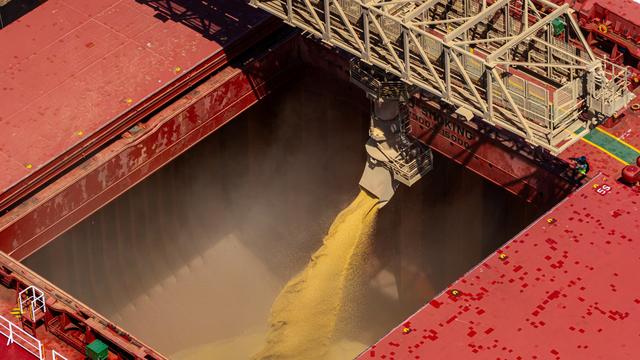
A new era of economic partnership has dawned as the European Union and the Mercosur bloc officially established a vast free trade zone on May 1st. This landmark agreement, forged after more than 25 years of negotiations, promises to significantly deepen economic ties between Europe and South America, creating a market encompassing 720 million people and eliminating billions in tariffs.
With the start of the EU-Mercosur agreement on May 1, trade with South America will become significantly more important for German companies.
For German industry, this is a moment of considerable optimism. The automotive, mechanical engineering, and pharmaceutical sectors, in particular, stand to gain substantial export opportunities. The German Chamber of Industry and Commerce (DIHK) highlights that while South America currently accounts for only about one percent of Germany's total foreign trade, this agreement will dramatically increase its significance for German businesses. A survey indicates that 44% of internationally active German companies expect tangible benefits from this deal, signaling a strong positive outlook.
This pact is more than just a trade deal; it's a powerful statement against the rising tide of protectionism globally. In an era of geopolitical uncertainty, the EU and Mercosur nations are demonstrating that a fair, rules-based partnership between continents is not only possible but essential. This sends a clear signal that cooperation and open markets remain vital for global prosperity.
This is a strong signal.
However, the path to this agreement was not without its challenges. Concerns, particularly from France, about the potential impact of cheaper South American agricultural products on European farmers led to the inclusion of a safeguard clause. This provision allows for the reintroduction of tariffs if necessary, reflecting the delicate balance required to satisfy diverse interests within the EU. Despite these hurdles, the overwhelming sentiment is one of opportunity and a shared commitment to a more integrated global economy.
The Mercosur agreement is far more than trade: it is a clear signal against protectionism. Especially in geopolitically tense times, the EU and the Mercosur states show that a fair and rule-based partnership at eye level is possible.
DistantNews Editorial
Originally published by Die Zeit in German. Translated, summarized, and contextualized by our editorial team with added local perspective. Read our editorial standards.
More Stories

From Our Blog

What Gets Lost (and Found) When News Is Translated

How the Same Story Looks Different in Different Countries

The Critical Role of Diaspora Media in Global News

What Travellers Should Know About Countries with Restricted Press

A Digital Nomad's Guide to Following Local News
